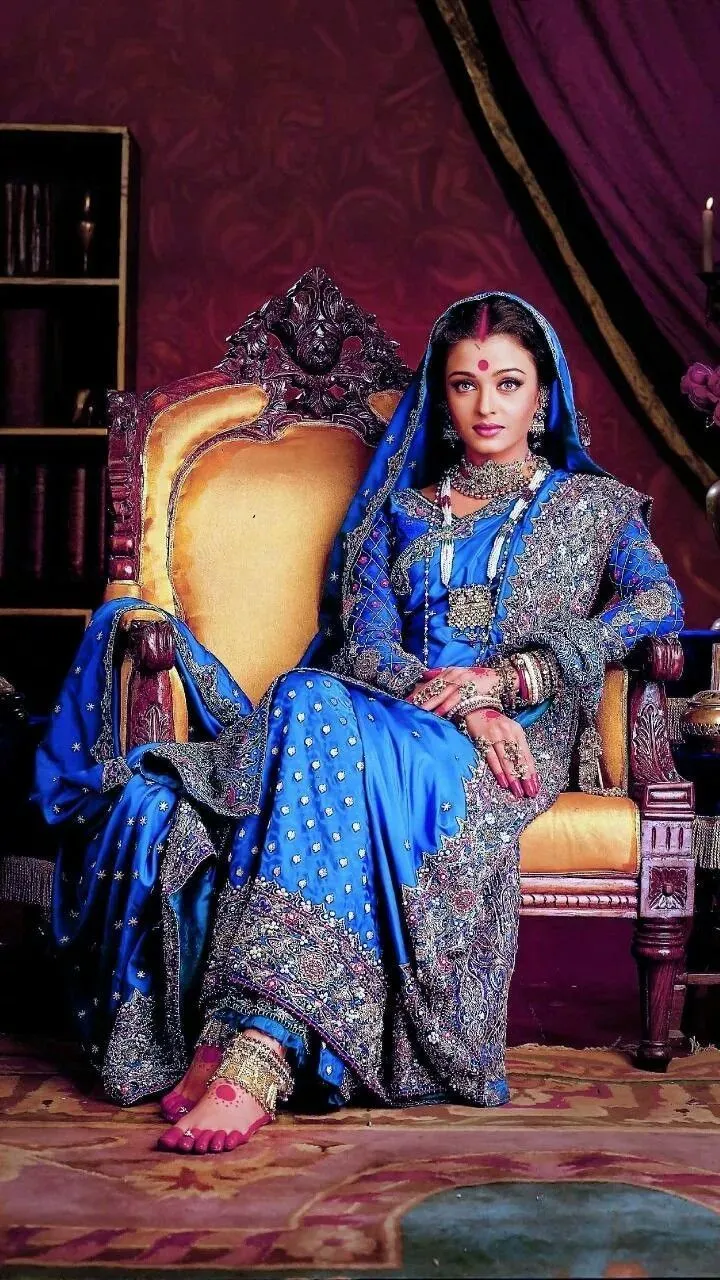
Some costumes stay in the mind long after the end credits roll. Then there are the films that are bigger than cinema; they become cultural heirlooms. More than two decades after Devdas hit the silver screen, Aishwarya Rai Bachchan’s breathtaking royal blue saree still commands the same awe. As Paro, she was more than a woman in a saree. She was a woman in a work of Indian craftsmanship that became a defining piece of the Bollywood grandeur of that era.
The unforgettable look was the work of national award-winning costume designer Neeta Lulla, a meticulous attention to detail, turning fabric into storytelling. Lulla says today, with all her expertise, she can’t recreate that iconic blue saree. The reason is not design; it is history itself. Speaking about the costumes with Hauterrfly, Lulla said every detail, from the choice of fabric to the embroidery and even the petticoat, was carefully planned to complement the filmmaker’s grand cinematic vision while ensuring practicality during filming.
A fabric neglected
The legendary saree was made of a special kind of spun silk, which is no longer available, and this fabric was a unique variety. “The saree had a unique fall, texture and understated richness because of this rare fabric,” says Lulla. It’s no longer available on the market, so it’s near impossible to reproduce the drape in exactly the way it appeared on screen. This is the special material that makes the costume a unique piece of Indian cinema.
More than beauty and more performance
The elegance of the saree was admired by the audiences but few realized the engineering hidden under the saree. It was a complete pre-pleated drape, almost 10 metres long, much longer than a conventional saree, but Aishwarya could slip into it in a few seconds between takes. This pragmatic breakthrough saved a lot of time of filming and every pleat was perfect in emotionally difficult moments.
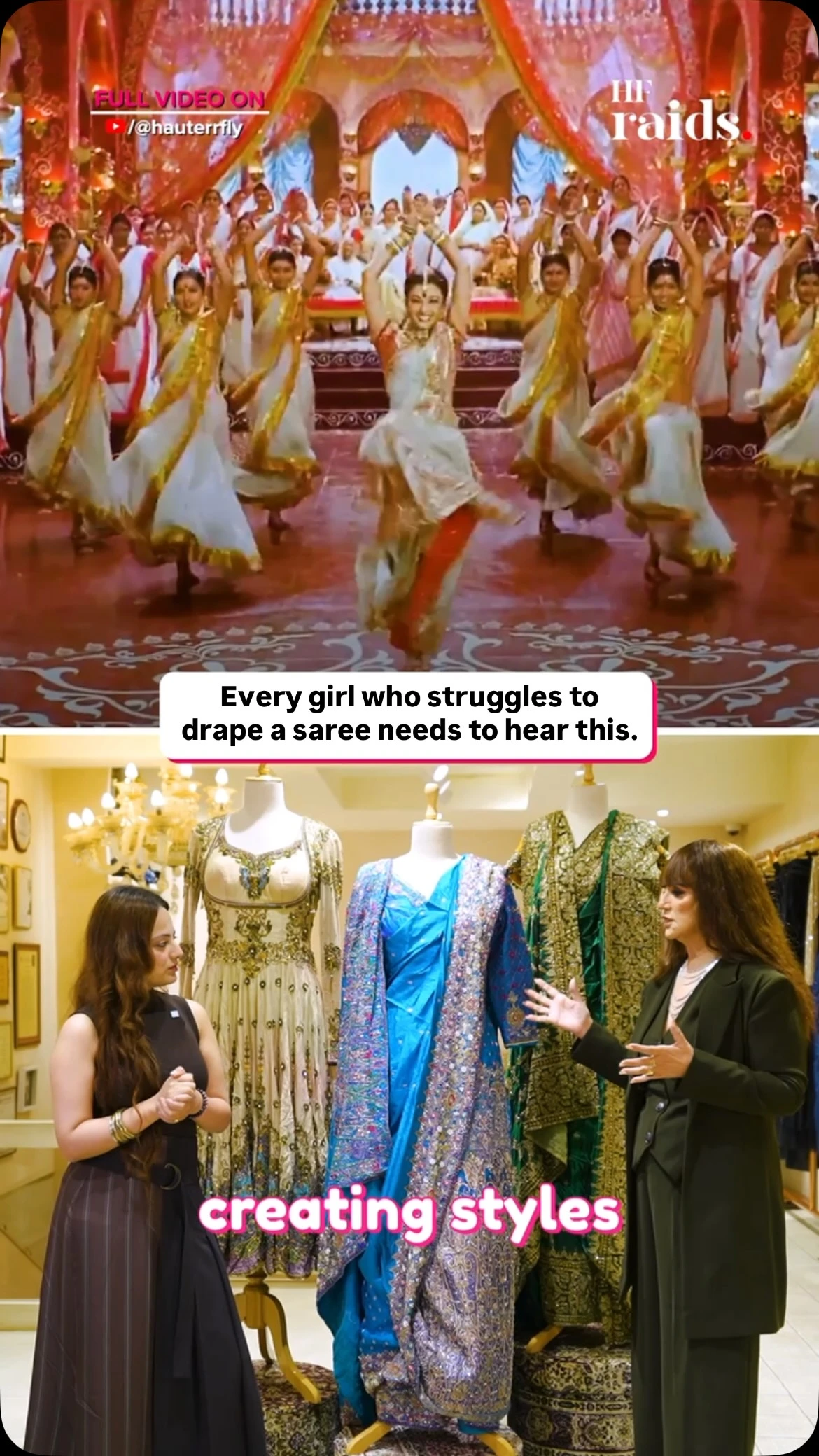
Lulla also paired the saree with a Jamawar brocade petticoat for movement support during elaborate sequences. When the actress walked or ran or acted out dramatic scenes, the rich underlayer kept the costume looking regal from all camera angles.
Every embellishment served a purpose
Devdas was a film that was all about the details, and this detail-oriented philosophy was reflected in the costumes. The blue saree had delicate wool work and ivory-toned pearls along with intricate zardozi dhakka embroidery with silk threads to give it a soft vintage finish. Instead of overshadowing the character, these flourishes brought out Paro’s understated dignity and emotional resilience, and complemented Sanjay Leela Bhansali’s lush visual style.
Lulla also shared that practicality and storytelling were equally important. For each colour, texture and embroidery motif, we did a careful selection so that it complemented the lighting, sets and emotional tone of the film. The costumes were to be an extension of the narrative and not mere fashion statements.
Months of research underlie every frame.
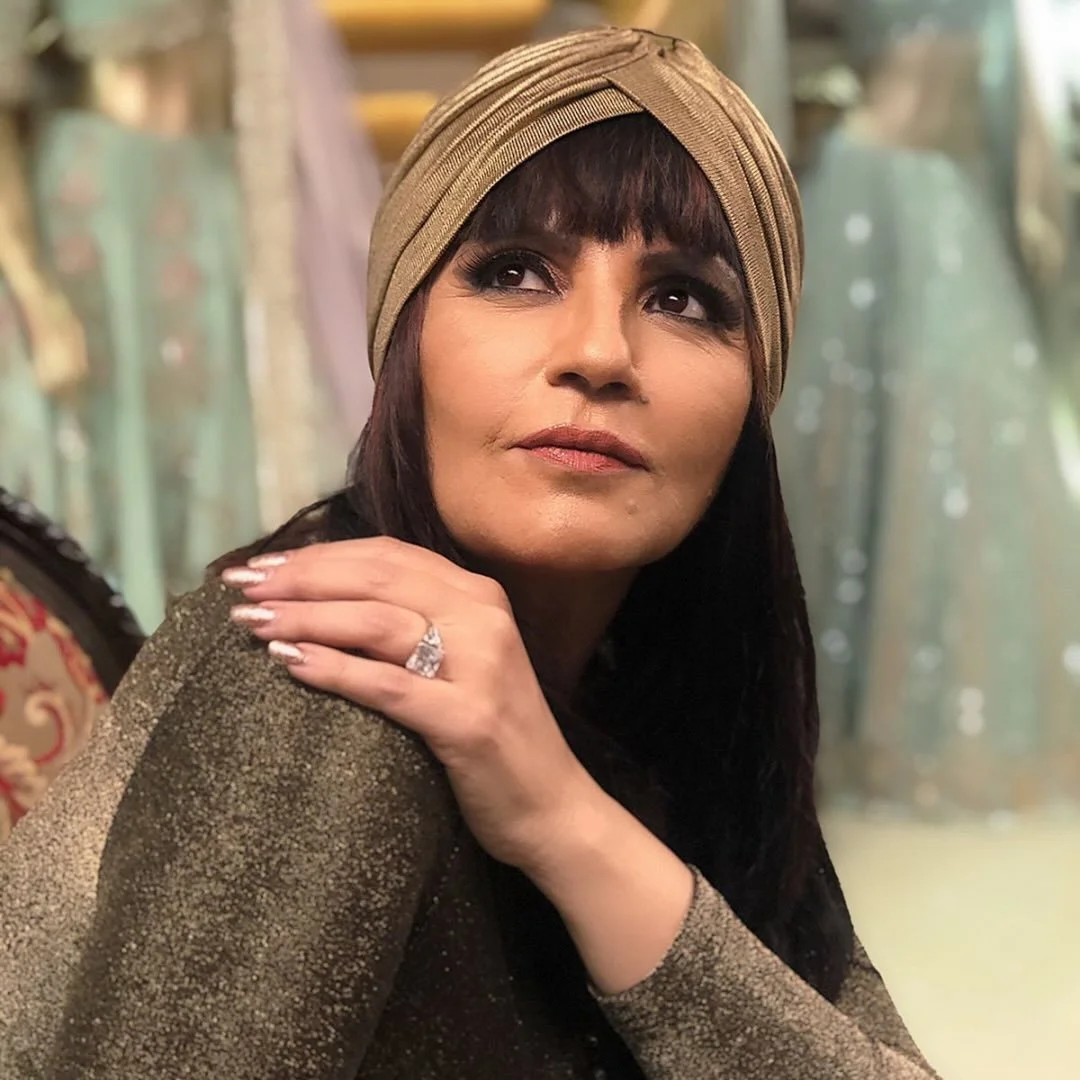
The costume design for Devdas was not a one-night wonder. Lulla spent almost six months in research, travelling to Kolkata to study the fabrics, the weaving styles and the historical references of the textile traditions of Bengal. This extensive groundwork enabled her to develop an authentic visual language for the film and give each of the main characters their own unique identity, rooted in India’s rich textile heritage.
Why designers still find inspiration in the saree
Even 20 years later, Aishwarya Rai Bachchan’s Devdas wardrobe continues to inspire bridal couture, period costumes and luxury Indian fashion. Of course, it’s its beauty that still makes it so appealing, but it’s also the craftsmanship – a marriage of rare materials, traditional embroidery, technical innovation and cinematic vision that cannot be reproduced with today’s fabrics. The original spun silk no longer exists, further adding to its legendary status and making the saree a priceless piece of fashion history. In an industry that’s always changing with the trends, the Devdas blue saree is a reminder that true style is timeless. It was a rare moment in cinema when craftsmanship and culture combined to make something that still captivates audiences decades later – and perhaps always will.