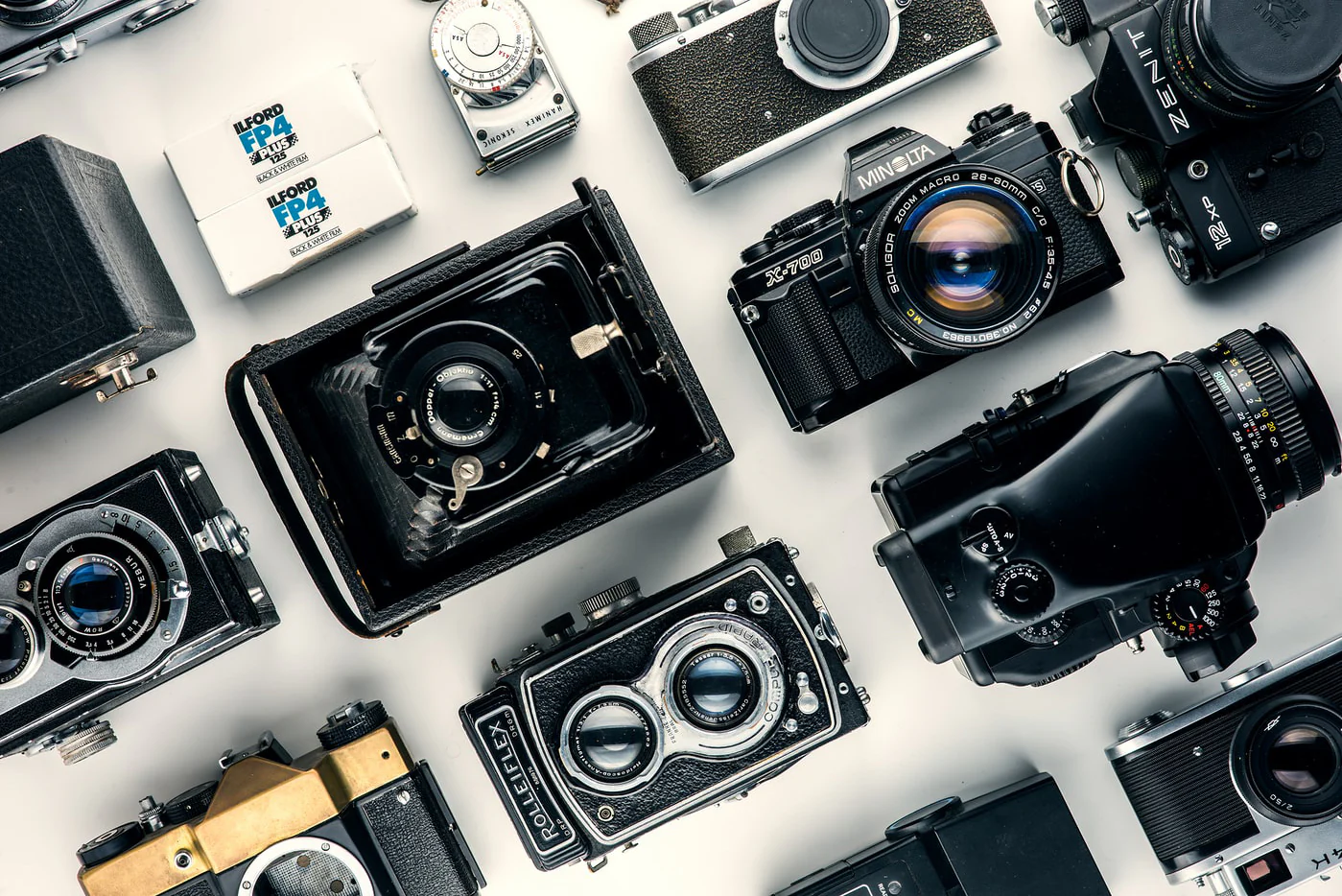
Walk through any college campus or coffee shop in India today and you’ll spot it sooner or later. A small silver or black camera, hanging from a wrist strap, pointed at a friend across the table instead of a phone screen. Compact cameras, the very devices smartphones were supposed to have killed off, are back in demand. And this time, Gen Z is leading the charge.
For over a decade, smartphones absorbed the point-and-shoot market almost completely. Why carry a separate device when your phone takes decent photos and lives in your pocket anyway? But that same convenience has started to feel flat. Photography industry coverage through 2026 points to a recurring theme: people are tired of “good enough” pictures that all look the same. A phone photo is optimized, smoothed, and processed the moment you tap the shutter. A compact camera photo has texture, grain, and a bit of unpredictability. That imperfection has become the appeal rather than the flaw.
The Y2K Aesthetic Takeover
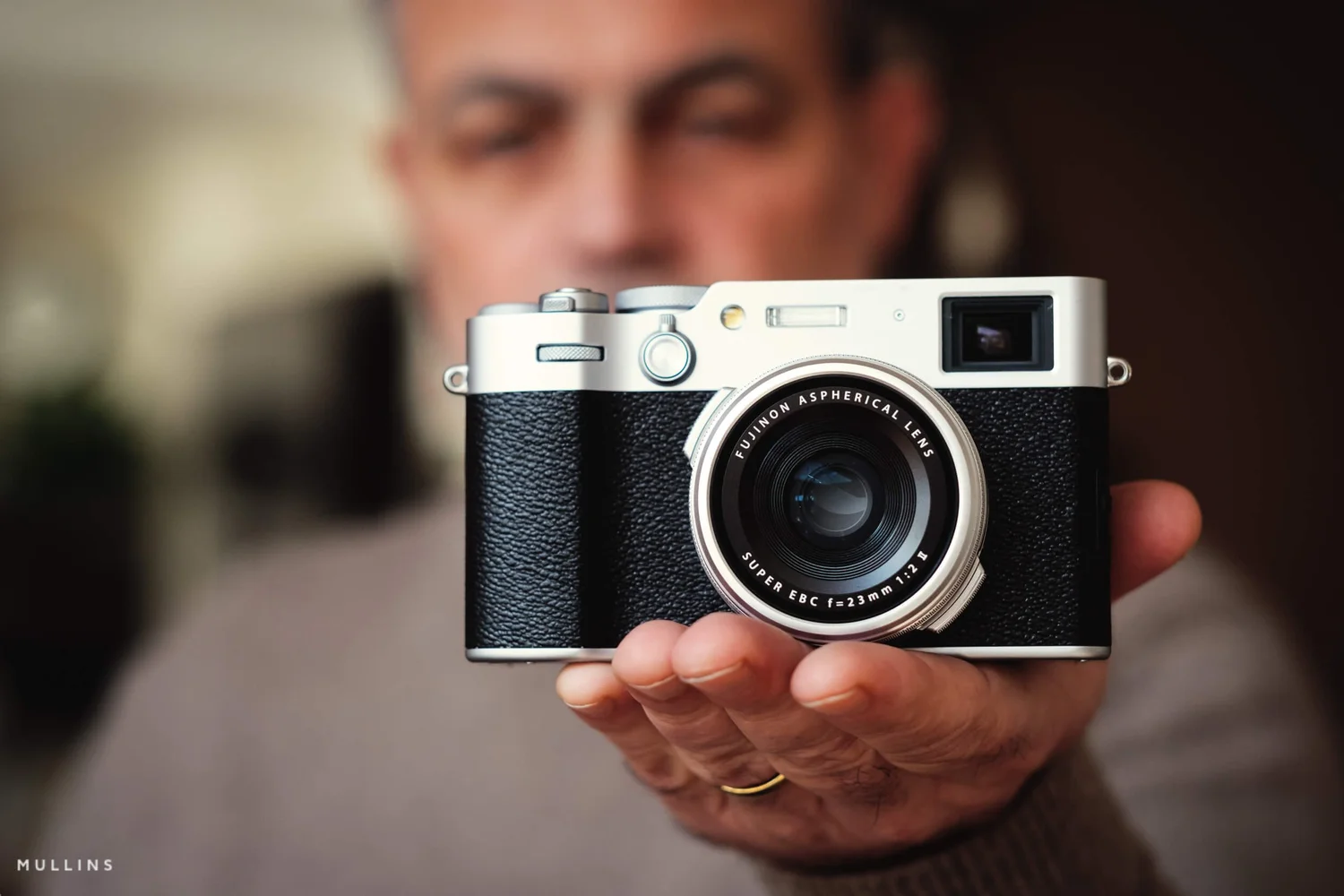
A lot of this shift traces back to aesthetics. Y2K style, film simulations, and early 2000s digicam looks have found a second life on Instagram and other social media platforms. Fujifilm’s X100VI, with its retro rangefinder styling and built-in film simulation modes, has become something of a status object among young creators, often selling out faster than stores can restock it. Even older, lower-resolution cameras are being sought out again because that soft, slightly flawed image quality reads as authentic rather than dated.
The Case for a Dedicated Device
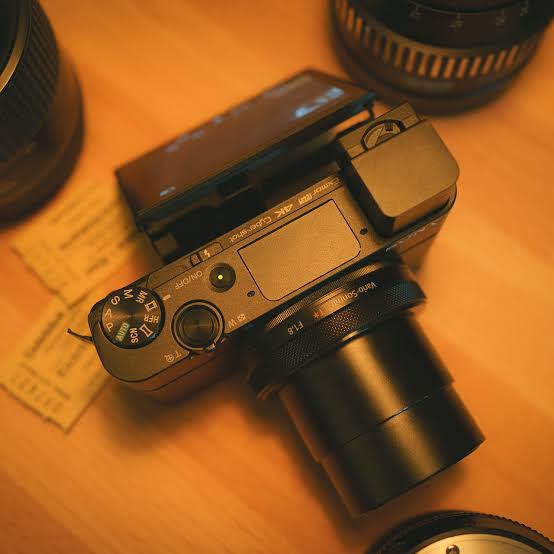
Beyond the aesthetic pull, there are real practical reasons compacts are winning people back.
Image quality that phones still struggle to match: Larger sensors in cameras like the Sony RX100 VII or Fujifilm X100VI produce better depth, dynamic range, and low light performance than a phone sensor squeezed into a few millimetres of space.
Optical zoom without digital cropping: The Nikon COOLPIX P950, with its enormous zoom range, appeals to wildlife and travel shooters who need to get close without losing detail—something phone zoom simply cannot replicate convincingly.
Portability without compromise: The Ricoh GR III remains a favourite among street photographers precisely because it fits in a jacket pocket yet delivers image quality closer to a mirrorless camera than a typical point-and-shoot.
Purpose-built tools for creators: Canon’s PowerShot V10 was designed specifically for vlogging, while the Sony ZV-1 II caters to creators who want strong autofocus and easy video framing without extra rigs.
Finding Your Fit
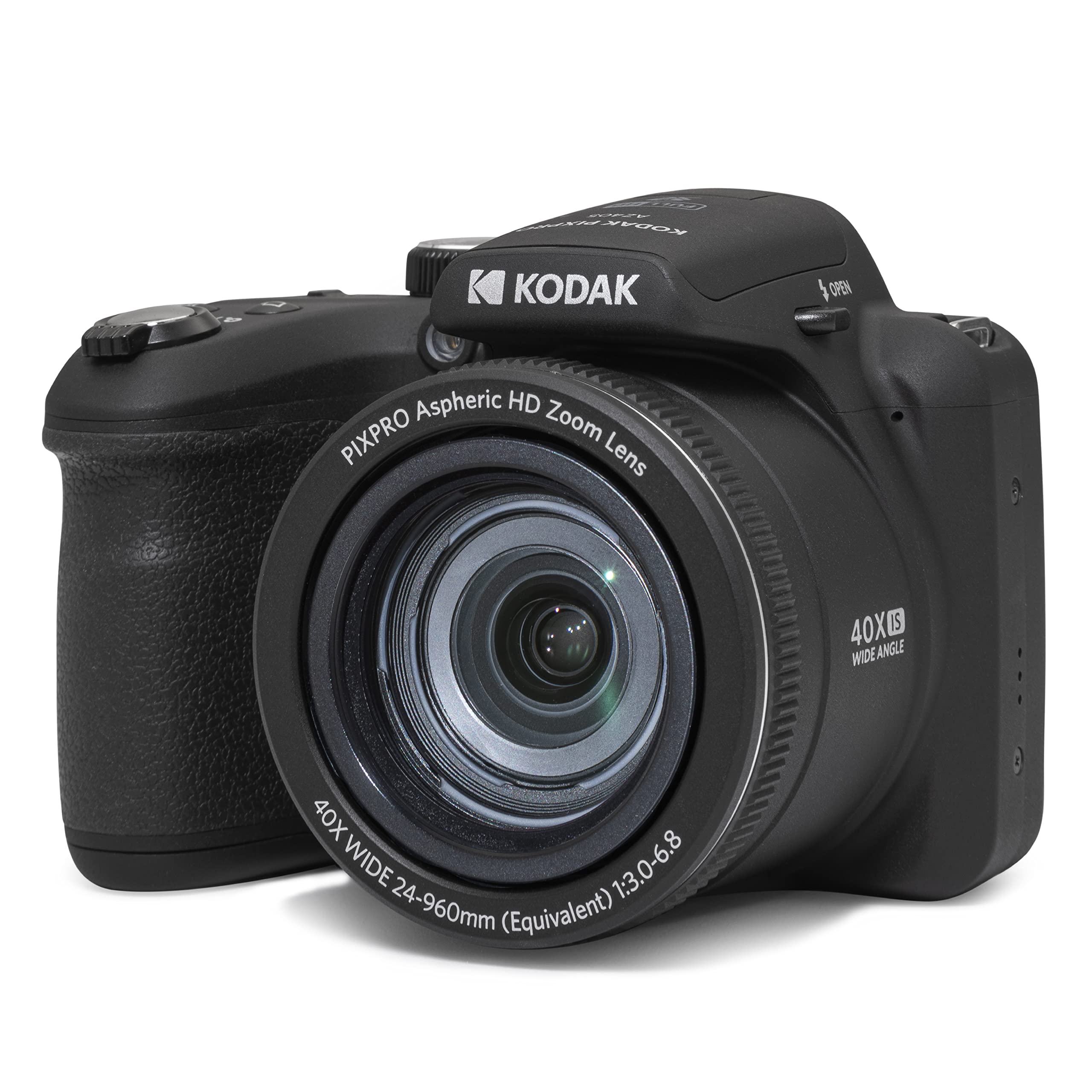
That’s really the heart of the comeback. Travellers lean toward zoom-heavy options like the Canon PowerShot SX740 HS. Budget-conscious beginners and younger buyers are picking up playful, affordable options like Kodak PIXPRO models. Hobbyists exploring manual controls often land on Panasonic Lumix compacts or Fujifilm’s X-M5. Street photographers gravitate to something discreet and fast, which is exactly where Ricoh has built its reputation.
Slowing Down on Purpose
More than any single feature, what compact cameras offer is friction, in a good way. Picking one up, framing a shot, and waiting to see the result later slows the whole process down. In a culture saturated with instant, disposable images, that pause has become the whole point.