Walk down a hotel corridor and you'll pass a sequence of numbers so ordinary that almost no one stops to wonder about them. Yet room numbering is a quietly engineered system: part logistics, part psychology, and occasionally, part folklore.
A grid, mostly
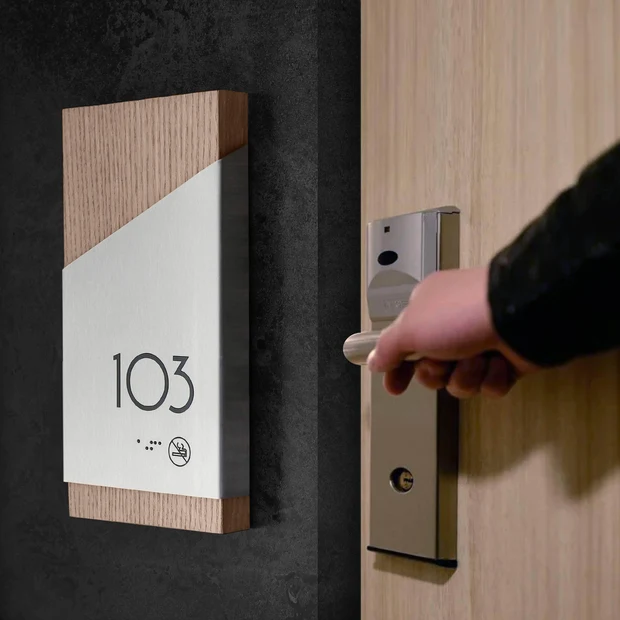
Many hotels use a simple grid in which the first digit (or first two, in tall buildings) indicates the floor, while the remaining digits mark the room's position along the corridor. In a mid-size property, Room 214 often sits on the second floor, and Room 512 on the fifth. This isn't a fixed rule: some boutique hotels number rooms sequentially regardless of floor, or use codes tied to a wing or block. But the floor-first pattern is common enough that guests and staff can often guess a room's location before seeing a floor plan.
Odd, even, and efficient
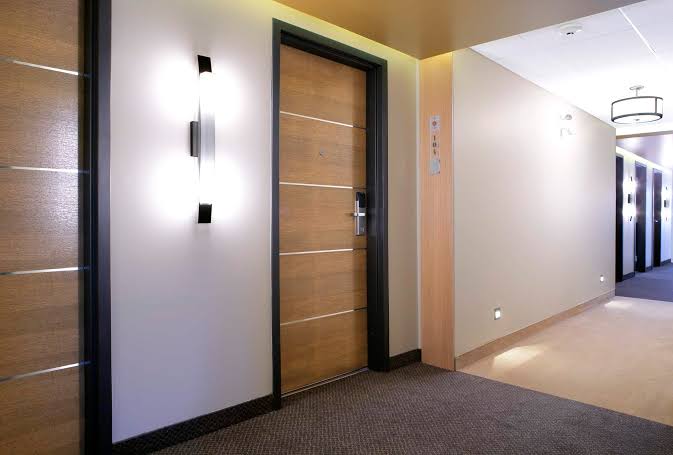
On a given floor, many properties split rooms by parity, with even numbers on one side of the corridor and odd numbers on the other, climbing in a predictable rhythm, such as 201, 203, 205 facing 202, 204, 206. This helps a guest, a room-service cart, or a fire marshal work out which side of the building they're on without a map, and it lets housekeeping cover a floor systematically, one side and then the other.
An operations tool first
Numbering is fundamentally built for staff, not just guests. Housekeeping uses it to plan cleaning routes; maintenance teams use it to locate reported issues; front-desk systems use it to manage room status and adjoining bookings. In an emergency, a numbering system that maps cleanly onto a floor plan helps responders judge a room's approximate location from its number alone.
Skipping the unlucky numbers
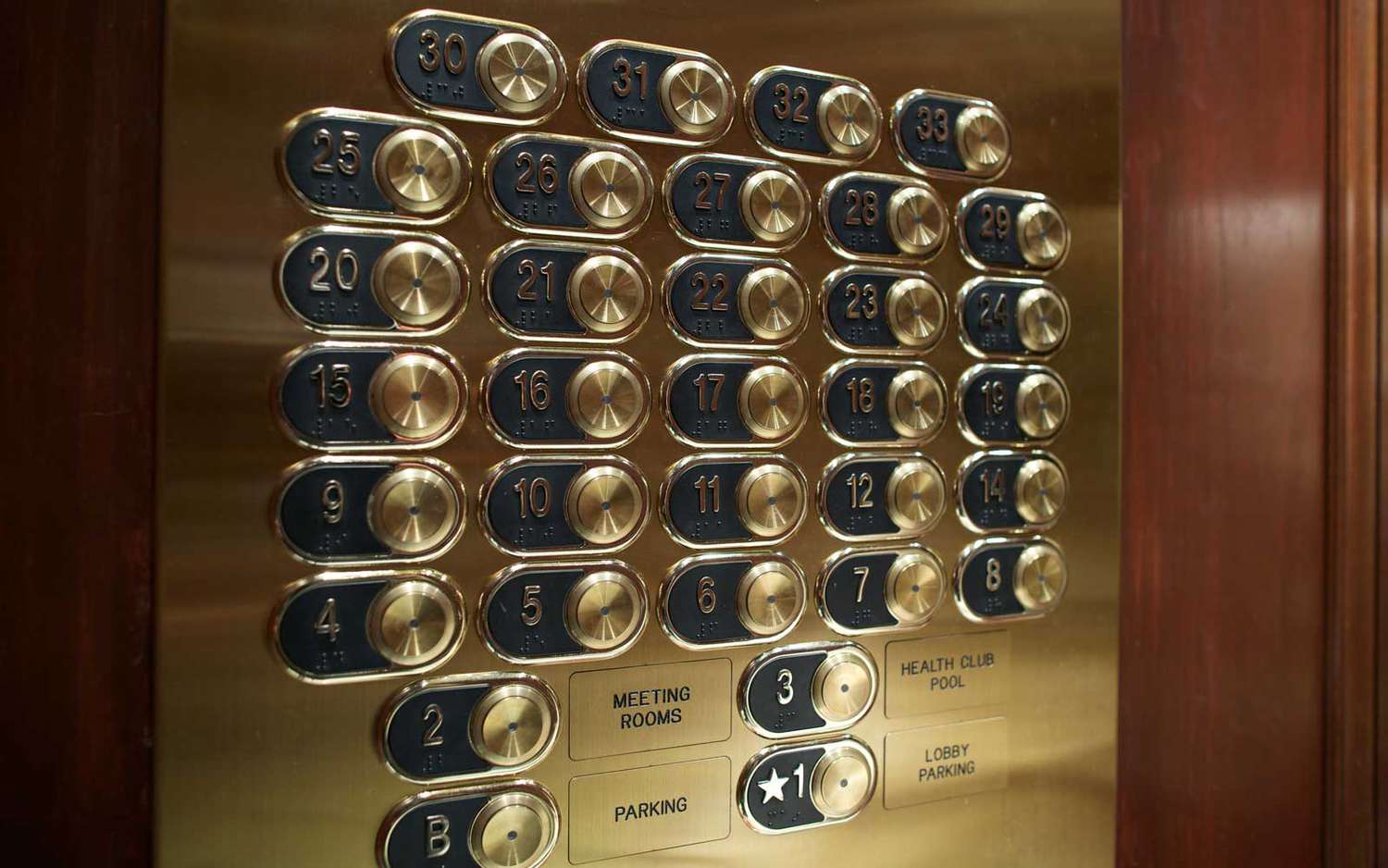
Superstition shapes numbering too. Many hotels in North America and parts of Europe skip a 13th floor or the number 13 in individual room numbers, a practice tied to triskaidekaphobia. A widely cited 2007 Gallup poll found that 13 percent of Americans said being placed on a hotel's 13th floor would bother them, enough for many properties to relabel it 14 or 12A. Not all hotels follow this: New York's Waldorf Astoria and Hilton's international properties are often cited as exceptions that keep a 13th floor.
Across much of East Asia, including China, Hong Kong, Taiwan, Japan, and South Korea, the avoided number is often 4, since it sounds similar to the word for "death" in Mandarin, Cantonese, and Japanese. Hotels, hospitals, and apartment towers in these regions frequently skip floors and room numbers containing a 4, sometimes omitting the entire 4th, 14th, and 24th floors, while favoring 8, considered auspicious in Chinese culture.
In India, hotel numbering generally follows the same floor-based logic used by international chains operating here, and some properties also skip 13 for guest comfort. Vastu Shastra, the traditional Indian system of architectural design, more often shapes a hotel's layout, entrances, and room orientation than its numbering itself, though some owners factor numerology into individual choices.
No single standard
There's no global rulebook. Each hotel designs its own numbering logic around its building shape, brand standards, and guests' cultural expectations. The digits on your key card are doing more work than they look: guiding you home, guiding staff through their shift, and sometimes quietly skipping a number nobody wants to sleep next to.