
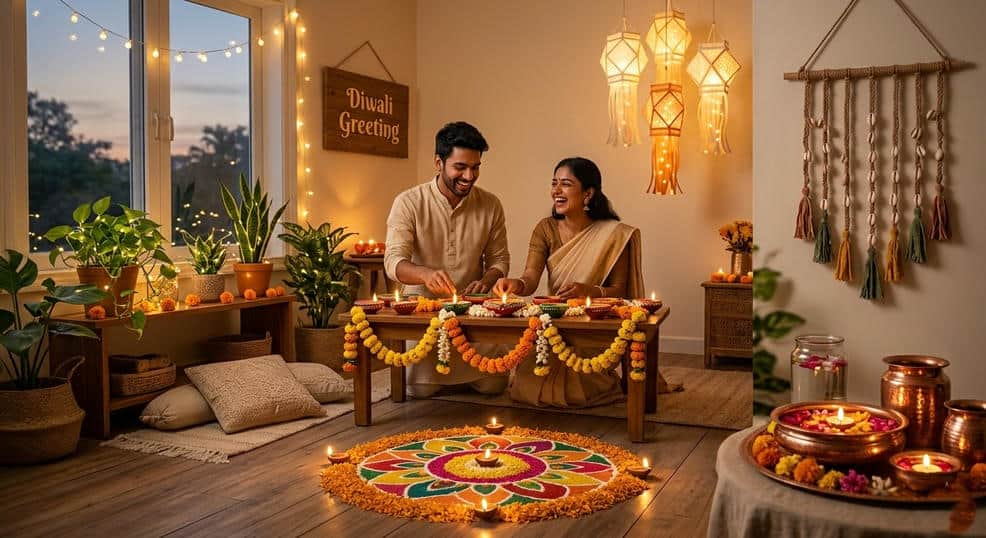
While Diwali is an occasion of joy, light and goodness, its celebration often leads to non-biodegradable waste that harms the environment and degrades air quality, affecting not just our surroundings but also our health. However, this was not the case in earlier times, when people used organic products in decoration and gifting, celebrating with mindfulness rather than resorting to loud firecrackers and synthetic products. That promoted not only a culture but a sustainable way that makes the festival look and feel celebratory in the truest sense. Therefore, to bring that spirit into our contemporary celebrations, we do not need to add something new but to move back to the past, where festivals and sustainability were not opposites but complementary—a sense that will be reflected in this year’s festive vibe.
What Makes Decor “Wasteful”
Things that are meant to uplift our home’s aesthetic often end up as waste that undermines the environment because of their non-biodegradable materials. From plastic torans and synthetic rangoli powders to thermocol, disposable serveware, and gift wrap, the unsustainable items used in Diwali decoration become waste because of their limited use, turning the decor into a heap of garbage.
6 ways of making this Diwali eco-friendly—lighting, flowers, Rangoli, and home
Flowers and Leaves
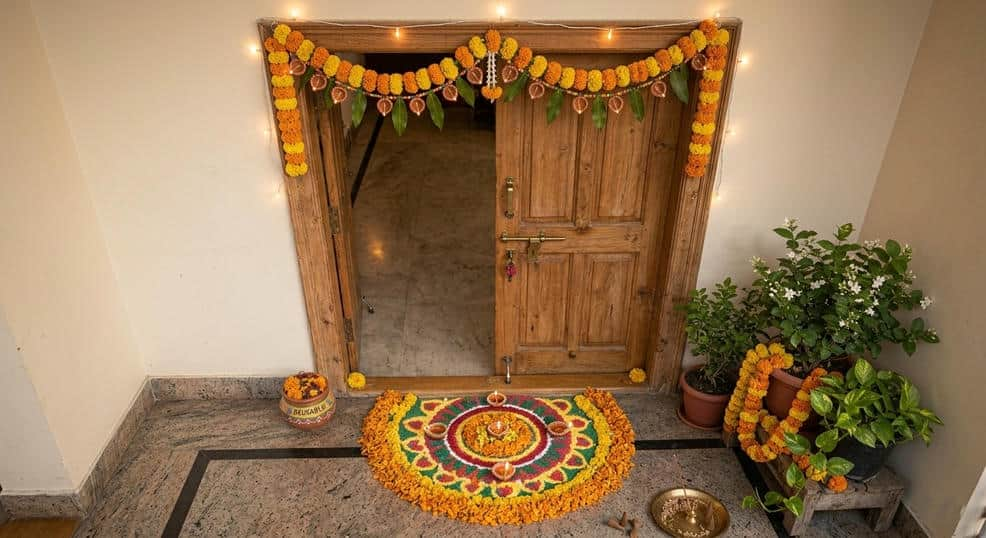
Instead of plastic and synthetic decor, your home can both look and smell good with real flowers and leaves. This includes incense and home and doorway decoration, which add freshness and beauty to your festive celebration. They also need not become waste after the occasion: they can be reused to make several different products, such as compost and incense.
Rangoli
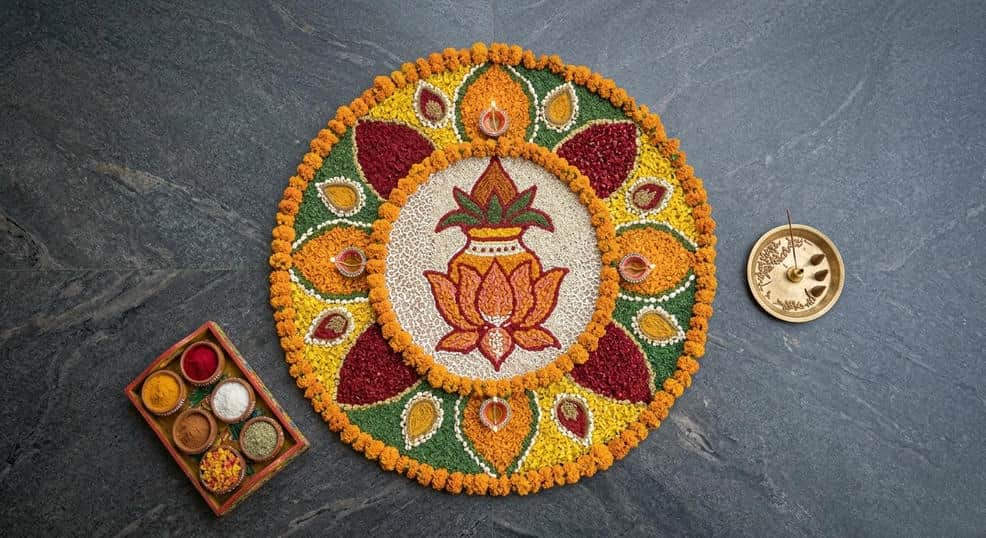
A must-have Diwali decoration, rangoli is found in almost every house during the festive celebration. Its intricate patterns replicate different symbols, and the colourful powders add to the festive vibe and enhance the atmosphere. However, though the symmetrical patterns look beautiful, many colour powders in the market are made of synthetic materials that harm the environment. Replace them with natural ingredients such as flower petals, rice flour, kumkum, turmeric, fennel and more, which give you different colour combinations without any harmful synthetic colours.
Lighting
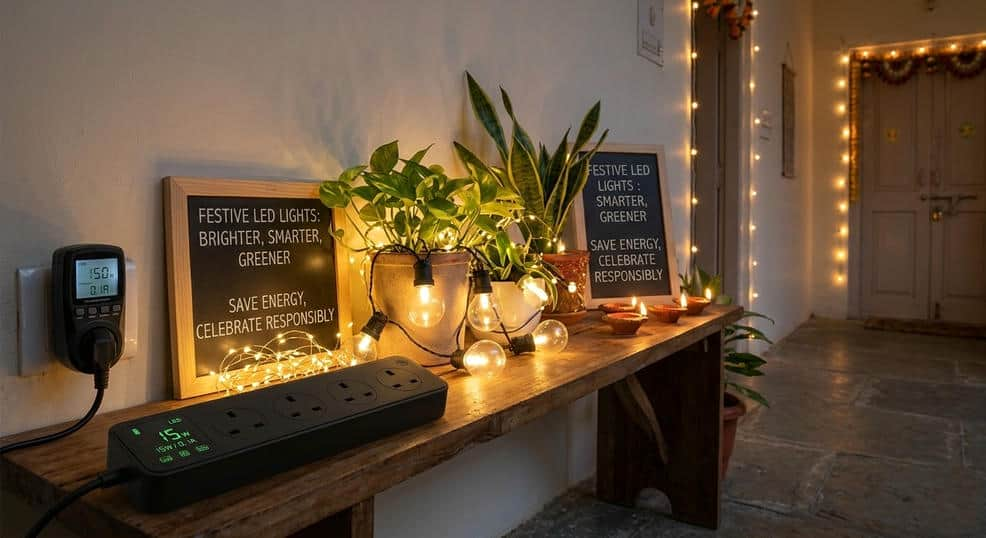
Light and brightness are synonymous with Diwali, when the whole country is illuminated in colourful lights, but energy consumption also rises at this time and adds to the burden on the environment. Therefore, instead of continuously drawing power, you can use low-energy LED lights, which may not be a perfect solution but help reduce energy use during the festival.
Potted Plants as Decor
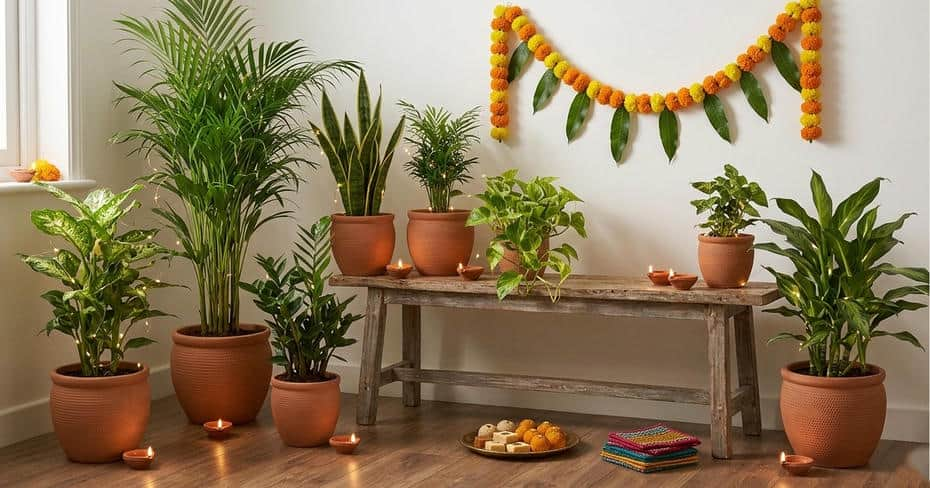
A thoughtful and sustainable decorative item you could add to your home this year is the potted plant. It adds sophistication and a natural feel to your surroundings and lifts the aesthetic when placed in the right spot. This turns your Diwali into a natural and sustainable act by using a plant as decoration that brings freshness into your surroundings.
Reusable Serving and Gift Wrap
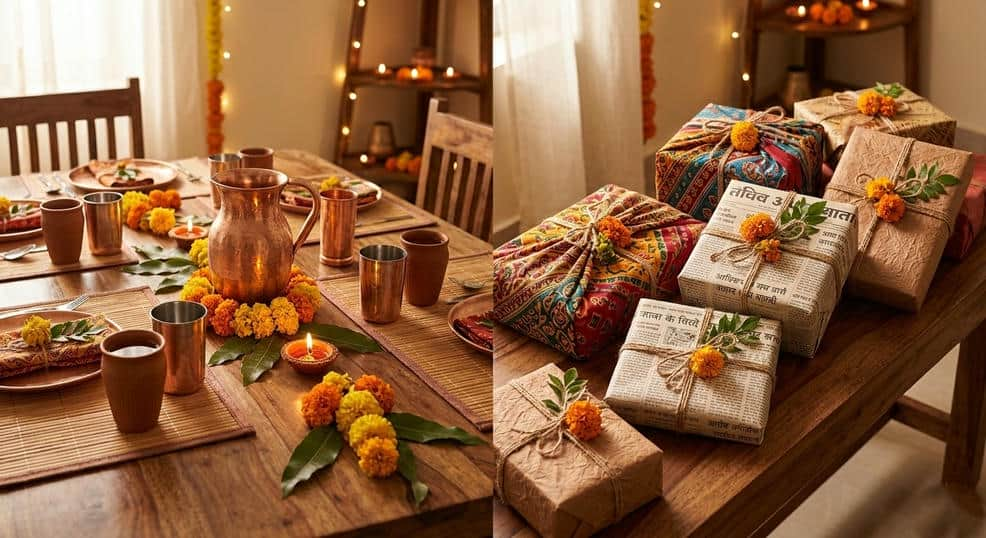
Decoration does not end at the doorway. The dining table and the gifts you hand out are part of it too. Disposable plates, plastic cups and plastic gift wrap are used once and thrown away, adding to the pile of festive waste. Replace them with kulhads (clay cups) or bamboo glasses for drinks, and steel or copper glasses with a reusable jug instead of bottled water. For gifts, wrap in cloth, newspaper or recycled paper tied with jute string instead of plastic film. All of these look festive and can be reused or recycled.
Plain Earthen (Clay) Diyas
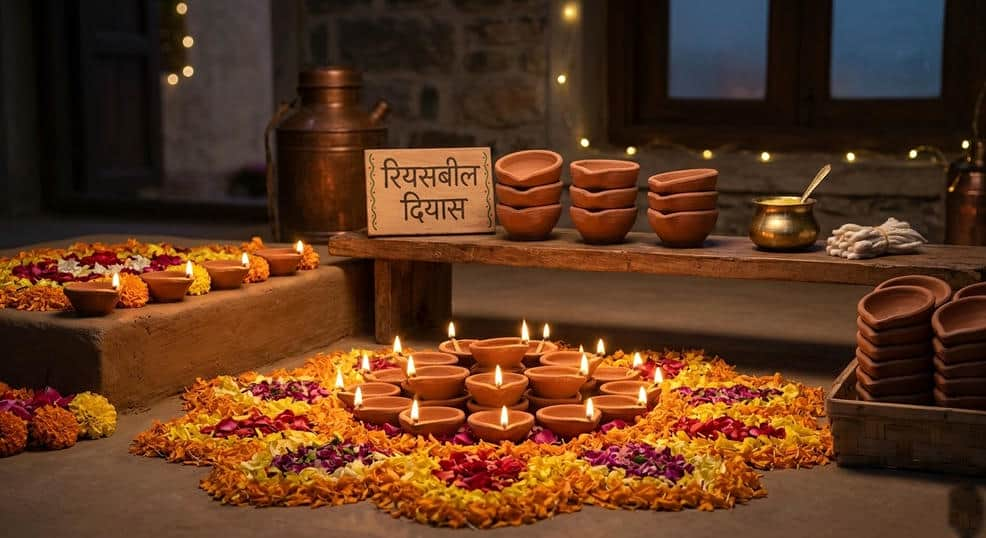
Earthen diyas are the original light of Diwali and still the most sustainable one. Choose plain terracotta diyas, as decorated ones often carry metallic paint that can be toxic when heated with oil. If you want them decorated, paint them yourself with non-toxic colours, which also makes for a family activity. Buying from local potters supports the artisans who make them. Once the festival is over, store your diyas and reuse them next year instead of throwing them away.
After the Festival
The waste left behind after Diwali can have a lasting impact on the environment, especially when it includes non-biodegradable and synthetic materials. However, a little planning and mindful choices can make a significant difference. By reusing decorations, composting flower waste and disposing of materials responsibly, we can reduce the environmental impact of our celebrations. After all, the true spirit of Diwali lies not just in illuminating our homes but also in preserving the world around us.