Old letters tucked into files. Hours of video from protests. A court affidavit read aloud to a camera. In Bengaluru and Kolkata, a handful of people are gathering these fragments of queer life in India before they are lost.
A Filmmaker’s Footage Finds a Home
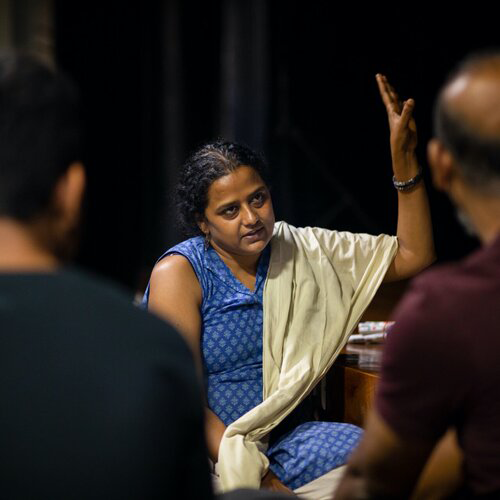
For years, filmmaker T. Jayashree took her camera to protests, meetings and pride marches. That footage, shot from 2000 onwards, grew into the Queer Archive for Memory, Reflection and Activism, known as QAMRA. The groundwork began with a 2013 conference of activists and researchers, and the project took formal shape in Bengaluru in 2017. Today it runs as an independent project inside the library of the National Law School of India University.
The shelves now hold legal documents, books, photographs, audio recordings, letters and memorabilia, all donated by individuals and groups. Newspaper clippings come in several languages, including Tamil, Kannada, Malayalam and Urdu. Visitors can book an appointment by email. Jayashree has argued that people should come in person, since not all of it will be digitised and holding the original pages matters. Ammel Sharon, who led the project from 2022 to 2024, described QAMRA as a house of memories for newer generations.
One collection follows the long legal fight against Section 377 and includes interviews Jayashree filmed herself. In a 2013 interview, Gautam Bhan reads out the affidavit he filed in 2006 as part of the Voices Against 377 petition. By doing so he came out as gay in a courtroom, when the very law he challenged could still have been used against him.
Thousands of Letters From a Kolkata Support Group
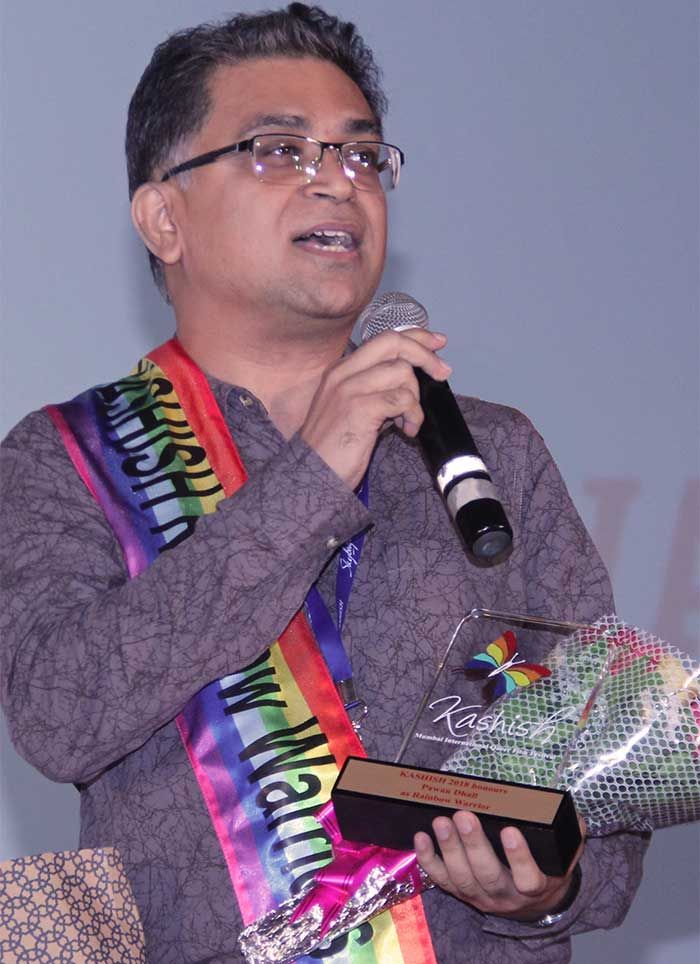
In Kolkata, Pawan Dhall looks after a different kind of record. He helped found Counsel Club, one of India’s earliest queer support groups, which ran from 1993 to 2002. Outside word of mouth, the main way to reach such groups was a post box address printed in a newspaper or magazine article. The group’s papers include between 2,500 and 3,000 letters, greeting cards and emails, along with copies of its house journal. Writers asked for friends and partners, health advice, legal help and sometimes career guidance.
One letter arrived in 1994 from a 22-year-old master’s student in a Kolkata suburb. He wrote that he could confide in nobody and was living a very lonely life. Counsel Club replied, he wrote once more, and then the letters stopped. Dhall notes that his whereabouts may be unknown, yet the loneliness in those pages survives. Varta Trust, which Dhall co-founded in 2012, has been cataloguing and digitising the collection, and the group’s journal is already online.
Why the Quieter Stories Count
Dhall argues that archives like these protect people the headlines forget. When the Supreme Court ruled on Section 377 in 2018, he writes, some of the coverage centred on five well-off petitioners. Campaigners who had pushed for decades with fewer privileges got little attention. Papers and recordings can correct that picture years later.
Racing Against Time
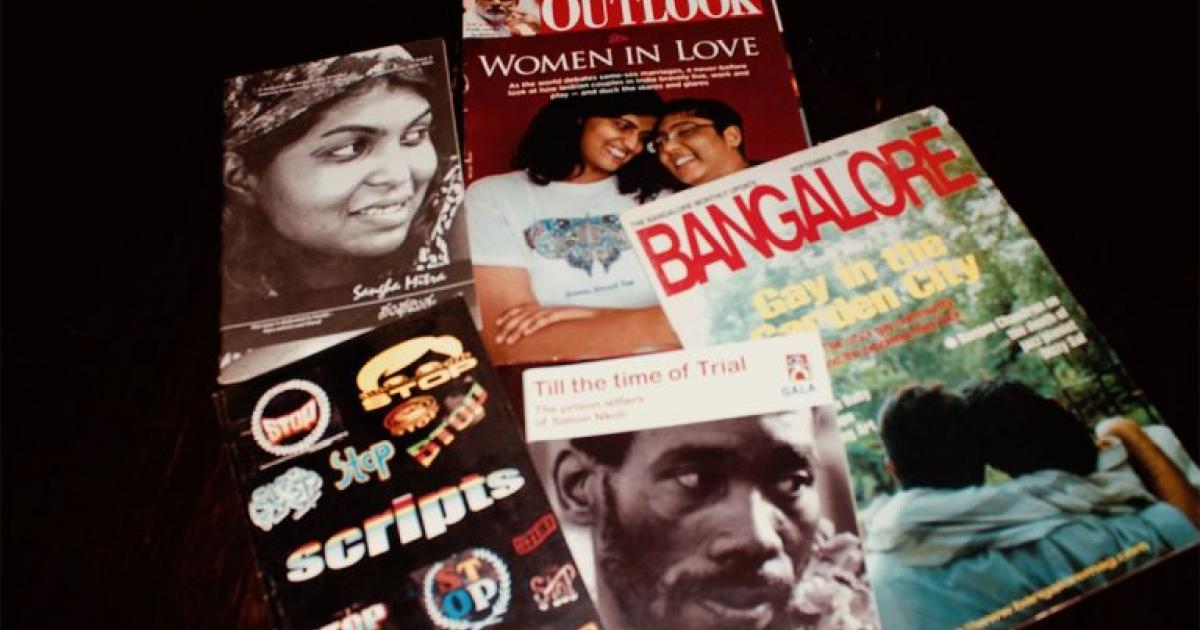
The obstacles are practical. Preservation has not been a strength of most queer support groups, Dhall notes, perhaps because resources were thin and urgent fights came first. As activists of his generation pass on, he warns, little collective memory may remain. QAMRA has researched storage methods that need no air conditioning or costly materials, and its plans include training other groups to keep their own collections. The larger dream, Dhall says, is an easily accessible network of queer archives across India.
The work is slow and rarely glamorous. Still, a lonely 22-year-old’s request to join a group, written in 1994, is being read again today.