The AI Impact Summit in India has brought together many leaders from big tech companies, creators, and a think tank on a single stage to showcase their work and address the audience by answering questions and discussing the potential future with AI.
Expanding its horizons, AI has been integrated into many sectors that play a major role in our lives. The entertainment industry is one of the most heavily influenced sectors. Although AI has been used earlier as well, recent advances in technology have greatly expanded its applications. This has created apprehension among scriptwriters, animators, and other creators, who fear that AI may become their alternative and replace them in the future. However, on the bright side, several positive effects enable creators and the industry to enhance their potential by leveraging AI.
Let’s explore the pros and cons of AI and find the right way to utilise it without risking creators' jobs and creativity.
The Benefit of AI in the Entertainment Industry
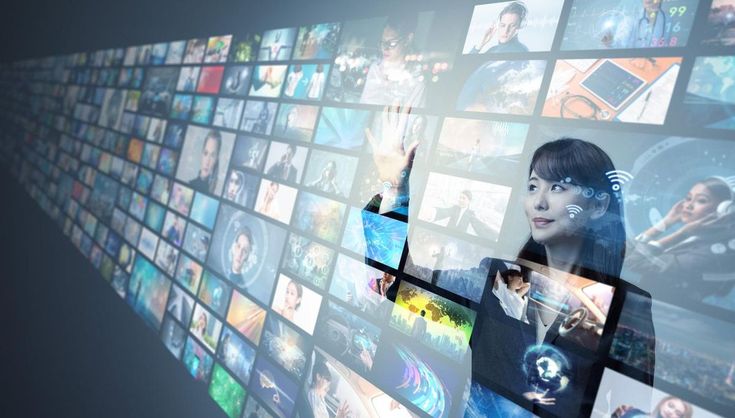
Instead of replacing creators, AI can be a great aid in enhancing productivity. Handling tedious and repetitive work with AI can save time for creators to experiment and uncover their true potential. Beyond this, it brings efficiency, customer satisfaction, and better planning, which not only help make smarter decisions but also increase profit.
Predict the audience’s preferences and peak engagement
While creating a movie, one thing creators must keep in mind is the viewers’ preferences, moods, and current trends. All of this can be found through thorough research and analysis of past box-office collections, release timing, theme, genre, reviews, and more. These tasks are very time-consuming and require critical thinking to determine what works and what does not. However, with AI, much of this analysis can be completed very quickly, enabling final decisions with a higher chance of success.
Helps in customer and viewer support
Enquiries regarding movie shows, events, and music concert dates, timings, and prices increase the workload, and hiring personnel can be expensive. Leveraging AI for these enquiries ensures customer satisfaction while keeping costs low, which benefits both parties.
Curate personalised experiences for the audience
Whether it's food, fashion, music, or movies, each person has different tastes. Take the example of Spotify, which continuously curates playlists that align with the listener's habits, maximising their experience by offering personalised recommendations. All this is possible through AI integration, which continually analyses user behaviour.
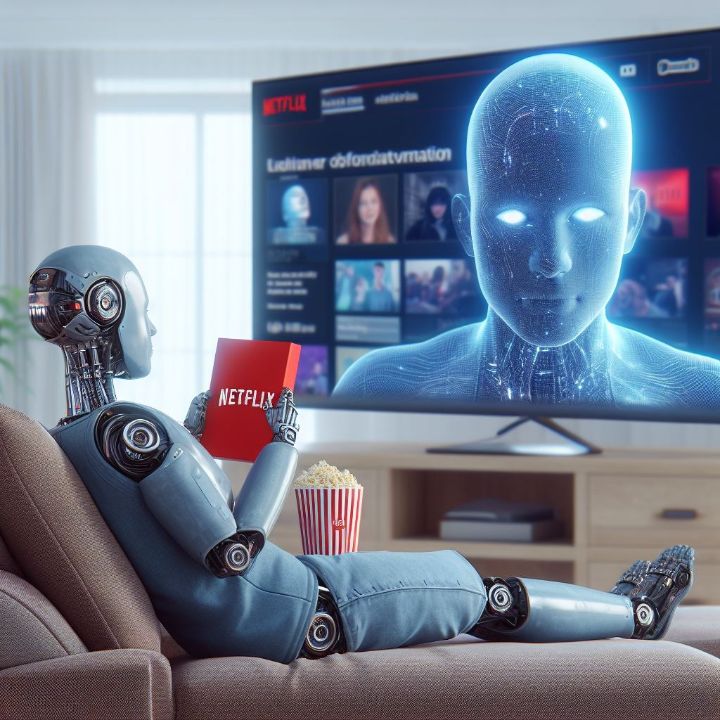
Recently, a deal has been made between ChatGPT and Jiohotstar (India's most widely viewed streaming platform), recognising the power of AI. This integration between companies will take the entertainment industry to the next stage, where instead of placing a keyword to find their favourite show, they can just describe the situation and context through spoken or typed natural language to get their preferred list of shows and movies.
User-appropriate content
Easy access to the internet and an increasing number of users have exposed people to inappropriate content (hate speech, violence, and nudity). Ensuring user protection from such content can be done with AI, which detects potentially inappropriate material and removes it automatically across user-generated-content platforms and media archives.
Accessibility to wider audiences
This era goes beyond language and border barriers, especially in the entertainment industry. Unlike earlier times, AI enables people from different countries to watch movies in other languages through subtitles and translation tools. Besides this, AI can also provide real-time sign-language overlays for live streams and events for people with disabilities.
What are the challenges of AI in the entertainment industry?
AI brings powerful tools to the entertainment industry, transforming the way content is created, distributed, and consumed. However, alongside these advancements come significant technical, legal, economic, and ethical challenges. As AI becomes more deeply embedded in creative workflows, it raises concerns around data privacy, intellectual property rights, job security for creators, and the loss of human originality and emotional depth.
Data security
When using AI, we provide a great deal of our information and images, which could be misused or shared with other companies for marketing purposes. Revealing your choices, preferences, and dislikes without consent is a major downside of AI and a source of apprehension.
Loss of human touch
What is often missing in AI-generated creative works is the human touch. When a creator makes something, they bring experience and emotion to the art, which can resonate with the audience and act as a window into the creator’s mind. AI creations can feel inauthentic and lack nuance and depth, which may discourage users.
Copyright in AI content
AI-generated content frequently draws from pre-existing material as models are trained on large datasets; this increases the likelihood of producing content that violates intellectual property rights. When creators incorporate AI-generated content into their productions or marketing efforts without understanding its sources, they risk unintentionally infringing on intellectual property.
AI as a Collaborator rather than a replacement
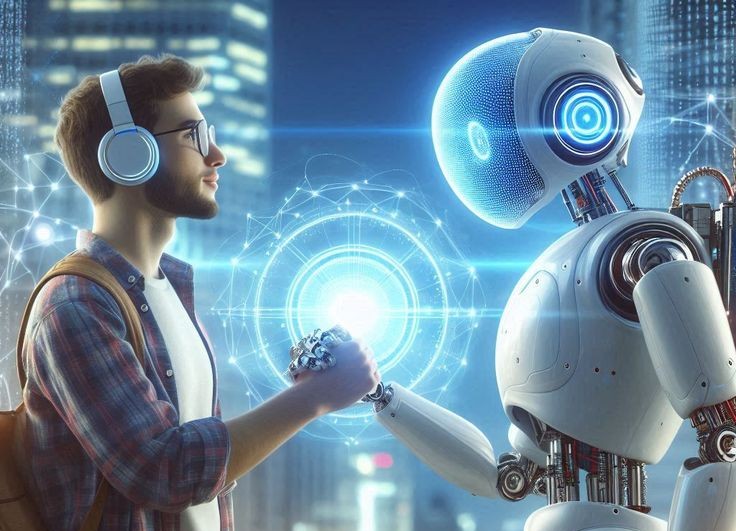
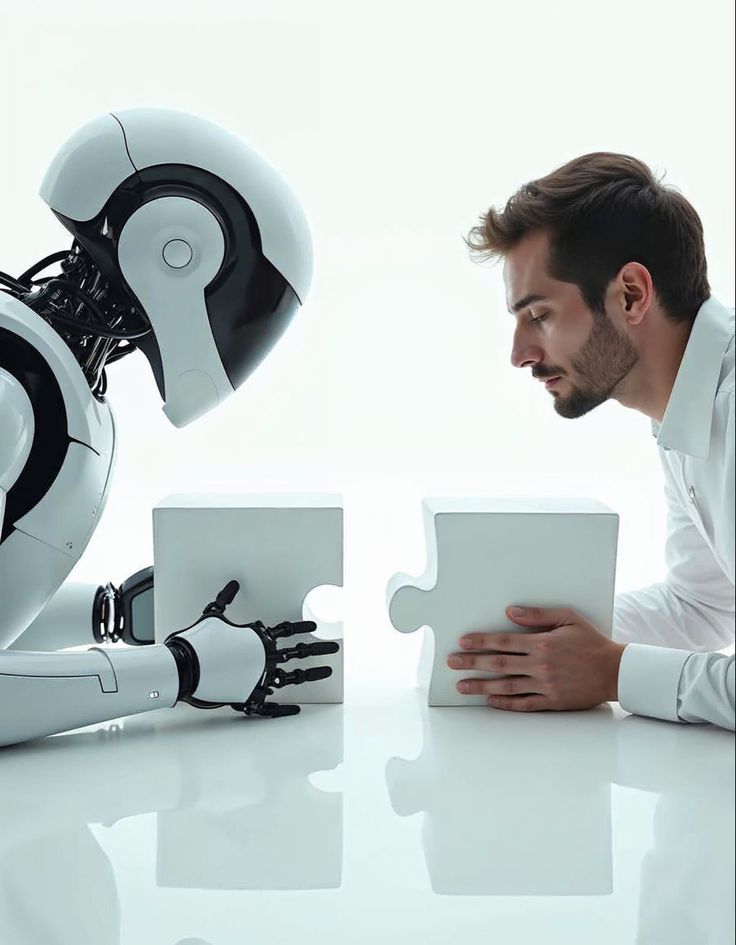
AI should be seen as a powerful collaborator — not a replacement. When used responsibly, with transparent data practices, clear licensing, and human oversight, AI can free creators from routine tasks, expand access, and help make smarter creative decisions while preserving the emotional depth only humans can provide. The future of entertainment lies in balancing innovation with ethics: creators who learn to harness AI thoughtfully will gain a competitive edge, and industries that protect provenance and jobs will keep creativity at the heart of storytelling.
Verdict
Artificial intelligence will change entertainment jobs but will not eliminate the need for creators. The OECD suggests that approximately 27% of jobs are at significant risk of automation, while the World Economic Forum predicts that by 2030, there will be 92 million job displacements and 170 million new positions created, which mitigates the apprehension in people who are afraid of possible layoffs in the near future.
All these advancements might become a threat to those who have been complacent, but the people who are eager for knowledge will gain a great deal from these changes. Just prepare well. Learn within the gaps. Get better, as it is crucial to focus on upskilling.
Image Credits: Pinterest