
Artificial intelligence, commonly known as AI, has quickly become a part of everyday life. From daily life topics to assisting businesses with complex data analysis, AI is transforming the way we live and work. However, as useful as it is, AI also comes with its own set of problems. One of the most concerning issues is its impact on the environment.
AI’s Promise for the Planet
AI refers to a group of technologies that can process information and mimic certain aspects of human thinking. One of its greatest strengths is its ability to detect patterns in large amounts of data. By analysing similarities, anomalies, and historical trends, AI can help predict future outcomes.

Because of this ability, many experts believe AI could play an important role in tackling environmental challenges. It is already being used to track methane emissions, a powerful greenhouse gas that contributes to climate change. Organisations such as the United Nations Environment Programme (UNEP) have also used AI to monitor oil and gas installations that release harmful emissions. By improving efficiency and monitoring environmental data more accurately, the technology could help address global issues like climate change, biodiversity loss, and pollution.
The Environmental Cost of AI
Despite these promising possibilities, AI also has a significant environmental footprint. Most large-scale AI systems operate through massive data centres. These facilities house thousands of computers that store and process enormous amounts of information. Building and maintaining such infrastructure requires vast quantities of raw materials. In fact, manufacturing a single two-kilogram computer can require up to 800 kilograms of raw materials.

Another concern is electronic waste. Data centres produce large amounts of discarded electronics, many of which contain hazardous substances like mercury and lead. If not managed properly, this waste can harm both ecosystems and human health.
And the most concerning issue: water usage. Data centres require large amounts of water during construction and later for cooling their electrical systems. This becomes even more concerning when nearly a quarter of the world’s population still lacks access to clean water and sanitation.
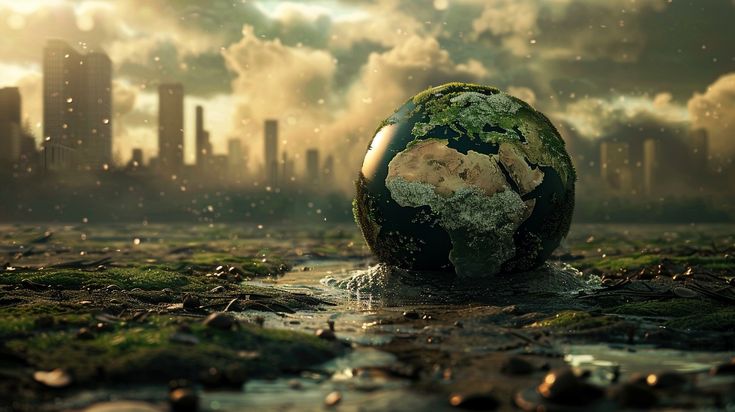
Energy consumption is also a major factor. AI systems require enormous computational power, and in many regions this energy still comes from fossil fuels. According to the International Energy Agency, a single request made through an AI system like ChatGPT can use significantly more electricity than a typical online search.
Why Experts Call AI a “Wildcard”
Many experts describe AI as a “wildcard” when it comes to the environment. While we can estimate the environmental impact of data centres, it is much harder to predict how AI-powered technologies will shape human behaviour.

For example, self-driving cars powered by AI could make transportation more convenient. But they might also encourage people to drive more instead of walking, cycling, or using public transport, potentially increasing greenhouse gas emissions.
AI can also contribute to the spread of misinformation about climate change, which may influence public perception and delay environmental action.
Efforts to Reduce the Impact
Recognising these challenges, more than 190 countries have adopted non-binding recommendations for the ethical use of AI, which include environmental considerations. Governments and organisations are also exploring ways to measure the environmental footprint of AI systems more accurately.
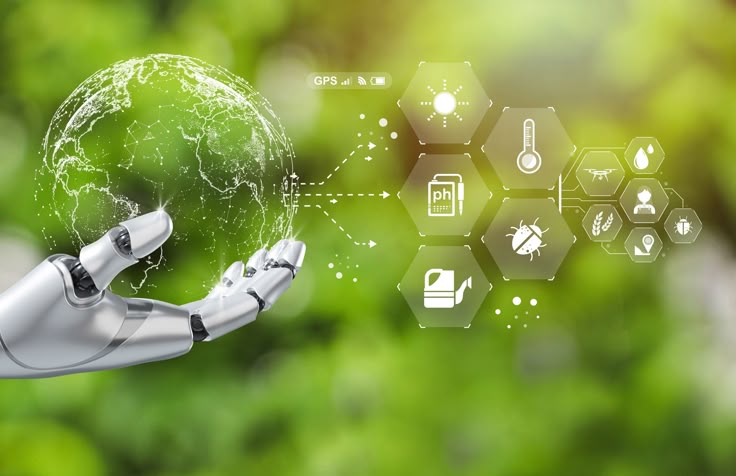
Experts suggest several steps that could reduce the impact of AI. These include improving the efficiency of algorithms, encouraging companies to use renewable energy in data centres, recycling components, and creating stronger environmental regulations for technology companies.
Takeaway
These concerns do not go unnoticed. Today, awareness about AI’s environmental impact is spreading rapidly, especially through social media. Even people who are not familiar with the technical side of AI are beginning to understand the issue through simplified content created for wider audiences.
However, reducing AI’s environmental footprint will not be easy. AI is now deeply embedded in modern life. People rely on it for work, education, creativity, and everyday problem-solving.
Water is a basic necessity of life and cannot be compromised. At the same time, AI is quickly becoming a necessity in the digital world. This creates a complex challenge. Governments, technology companies, and society must find a balance between technological progress and environmental responsibility before the cost becomes too high.
Image Credits: Pinterest