
Some things in the city never ask to be noticed. They just do their job, day after day, and we walk past them without a second look. But if you stop and think about it, these quiet objects carry strange little stories of their own.
A Ride You Never Question
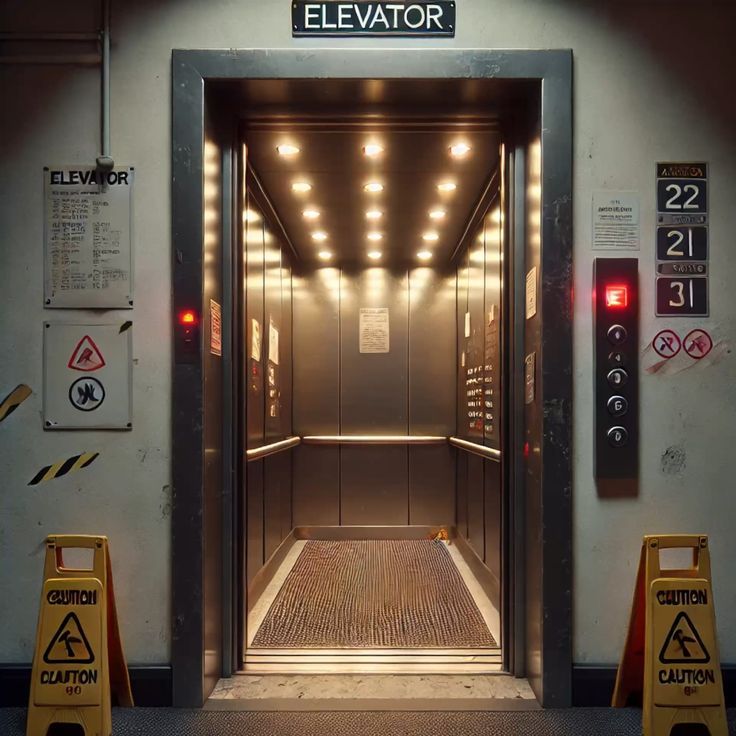
Elevators have been lifting people for longer than most of us realize. The idea goes back to ancient times, when simple pulley systems raised heavy loads. The modern version became trustworthy in 1853, when Elisha Otis built a safety brake and staged a public demonstration, cutting the only rope holding up his platform to prove it would not fall even if the main cable snapped. That single invention made skyscrapers possible, since nobody wanted to climb forty flights of stairs. And here is a small secret worth knowing. That door close button you keep jabbing is often not connected to anything at all. It is there mainly to make you feel like you are in control while the doors close on their own timer.
A Seat That Remembers
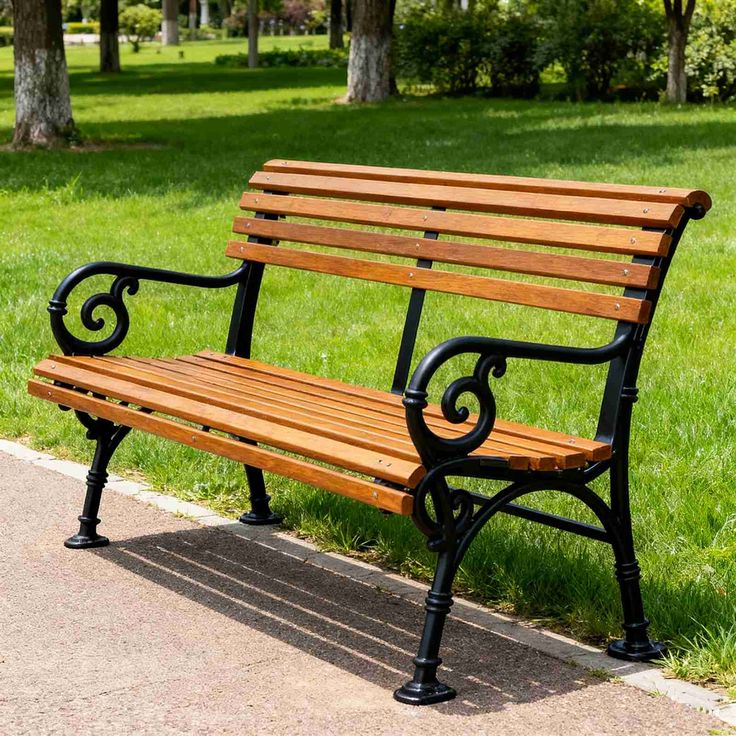
A bench looks like nothing more than a plank and two legs, but it has quietly shaped how cities work. Early benches were made of plain wood, placed so tired walkers could rest for a moment. Over time they became something more, a small stage for daily life. People fall in love on benches, eat lunch on them, nap on them, and sometimes leave a memorial plaque on them so a loved one is remembered every time someone sits down. In New York’s Central Park alone, there are more than ten thousand benches, and thousands of them carry a private story stitched into a small metal plate.
The Colors Everyone Obeys
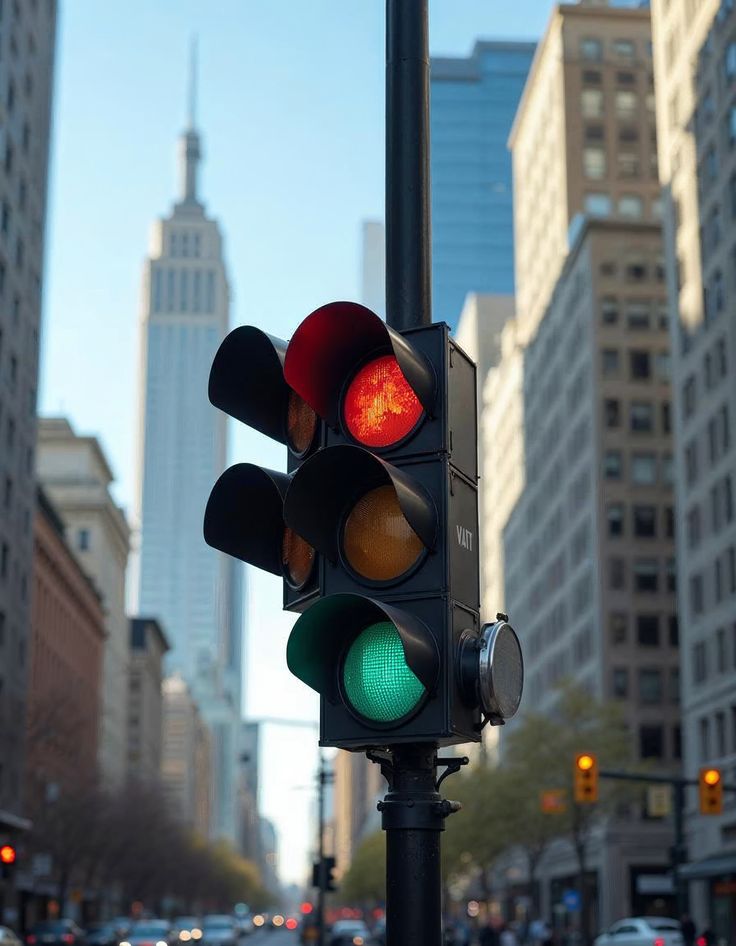
Traffic lights started out as a dangerous experiment. The very first one appeared in London in 1868, lit by gas and controlled by a police officer with a lever. It exploded within weeks, hurting the man operating it. It took American inventors to make the idea safer. Lester Wire built an electric red and green signal in 1912, and Garrett Morgan patented a mechanical stop and go signal in 1923, with a middle position that warned drivers to pause before the intersection opened again. The red, yellow, and green light most of us know today came a few years later, credited to a Detroit police officer named William Potts. Morgan sold his design to General Electric for forty thousand dollars, and it went on to shape how every driver in the world behaves at a corner. What began as a shaky gas lamp is now one of the few things almost everyone on earth silently agrees to obey.
A Box at the End of the Driveway

Before the 1850s, there was no such thing as a mailbox. If you wanted a letter, you walked to the post office and asked for it yourself. That changed once postage stamps made mail easier to send, and cities began offering free delivery to the door. By 1923, every American household was required to have a mailbox or a slot, mostly because postal workers were wasting hours each day waiting for someone to answer their front door. The now familiar rounded metal box was designed in 1915 by a postal engineer named Roy Joroleman, and his simple curved shape has barely changed in over a hundred years.
Why It Matters
None of these objects ask for attention, which is exactly why they earn it. They were built by real people solving real problems, tested through failure, and quietly folded into daily routine until we stopped seeing them at all. The next time you wait for a light to turn green, or drop a letter in a box on the corner, it might be worth a small nod to the object doing its job.