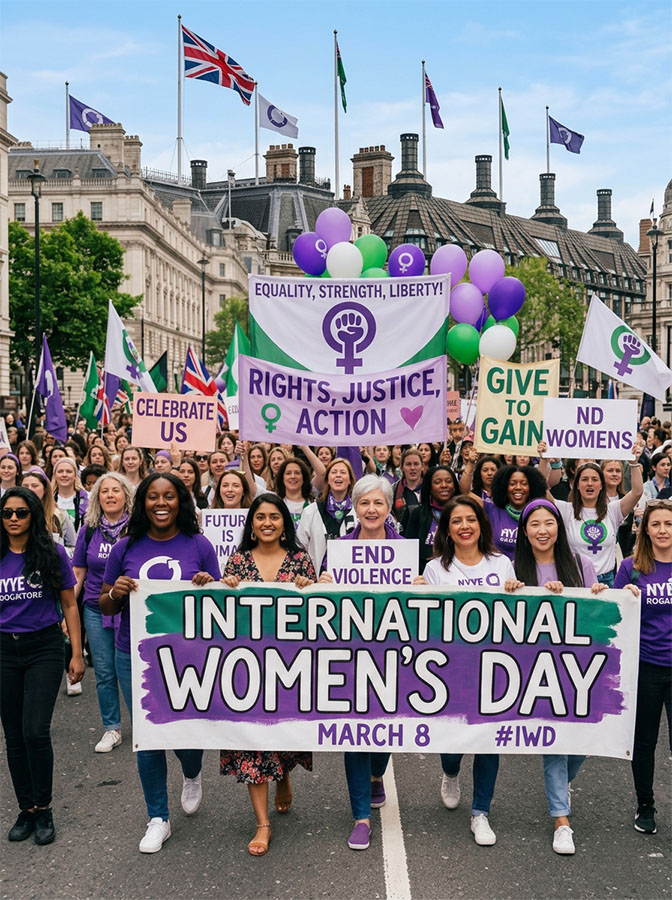
International Women’s Day is celebrated every year on March 8 around the world. A testament to resilience and activism, it is beyond flowers, speeches, and social media posts. The day is a result of a series of historic protests and movements which made the society more inclusive of women.
The Story Behind Women’s Day
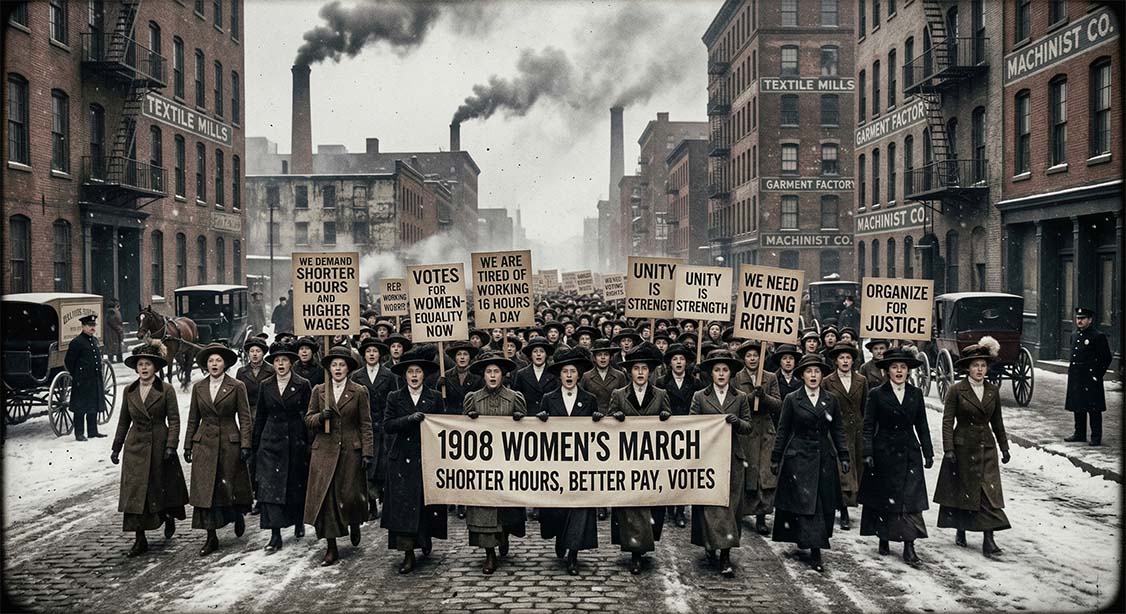
It began in 1908, when around 15,000 women marched in New York demanding shorter working hours, better pay, and voting rights. The following year, the Socialist Party of America declared the first National Women’s Day on 28 February 1909.
In 1910, German socialist Clara Zetkin proposed an International Women’s Day at the International Socialist Women’s Conference in Copenhagen, aiming to unite women worldwide around suffrage and equality. The first international observance took place on 19 March 1911, with over 1 million people rallying in Austria, Denmark, Germany, and Switzerland.
The date we celebrate today was set after the historic 8 March 1917 protest in Petrograd, when women textile workers marched for “Bread and Peace” against food shortages, war, and poor living conditions. The strike helped trigger the Russian Revolution and ultimately secured voting rights for women in Russia. By 1921, March 8 was adopted globally by socialist movements, and in 1975, the United Nations officially recognised International Women’s Day, cementing its global significance.
Rights: Bridging the Legal Gap
Despite decades of progress, women’s rights remain incomplete. According to the World Bank (2024), women worldwide enjoy only about 64% of the legal rights granted to men, reflecting persistent gaps in employment, property ownership, and workplace protections. Globally, nearly 2.4 billion women of working age still face legal barriers to equal economic participation (2022), while 43.7% of married women lack decision-making power over their sexual and reproductive health and rights (based on the surveys conducted between 2007-2022).
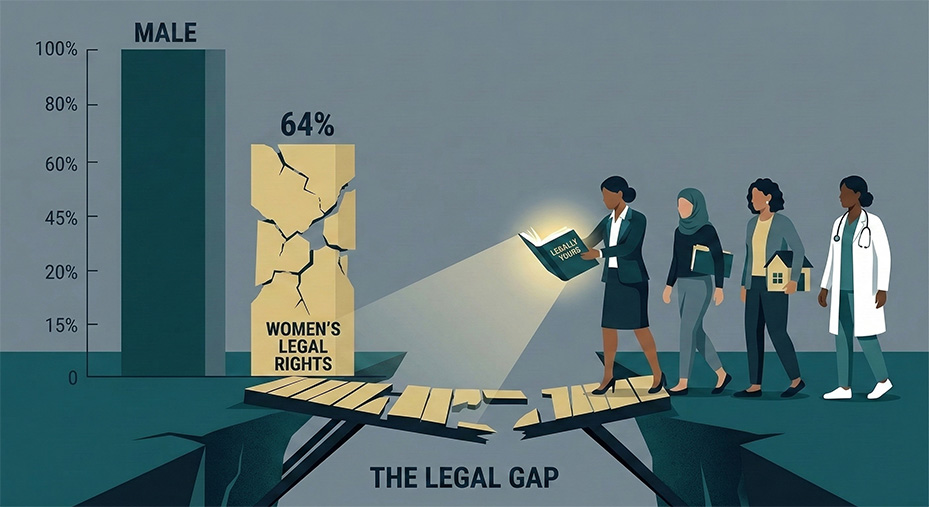
Only about 4% of women worldwide live in economies that provide nearly full legal equality (2024), and even where laws exist, countries have implemented less than half of the systems needed to enforce these rights effectively. Awareness is another critical gap—many women are unaware of the protections they are entitled to. Resources like Legally Yours by Manasi Chaudhary, a handbook guiding women through laws and rights, are crucial for turning legal rights into empowerment.
Justice: Closing the Accountability Gap
For many women, justice remains elusive. The World Health Organization estimates that one in three women globally experiences physical or sexual violence (2025), yet most incidents go unreported, and only a fraction result in convictions.
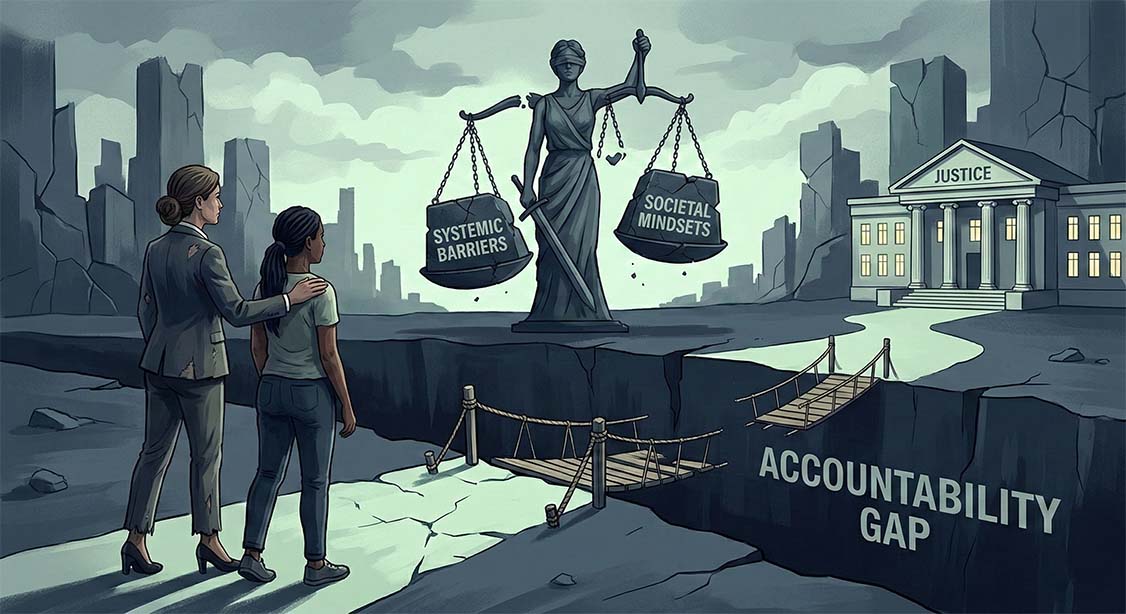
The barriers are both systemic and societal. Slow judicial processes, inadequate policing, and societal mindsets that prioritise reputation over victim protection often prevent justice from being served. Too often, focus is placed on what women and girls “should have done", rather than addressing the root causes of violence or creating safe spaces that prevent it altogether. Closing this gap requires not only stronger legal mechanisms but also a cultural shift toward accountability and respect for women’s rights.
Action: Turning Rights and Justice into Change
While challenges persist, tangible action is underway. Women today hold around 26–27% of parliamentary seats globally, according to the Inter-Parliamentary Union, reflecting gradual political inclusion. In India, rising female labour force participation, the proliferation of women-led self-help groups, and narrowing education gaps between girls and boys are translating policy into practice.
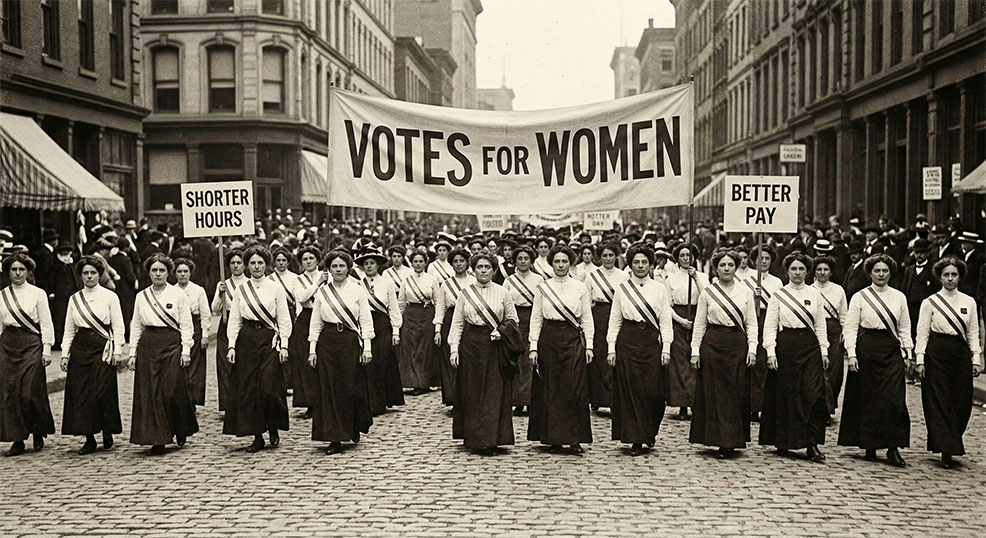
These examples demonstrate that sustained policy efforts and social initiatives can turn rights and justice into measurable change. Action is not just about creating laws—it’s about enabling women and girls to exercise their rights fully and safely, participate in decision-making, and shape their own futures.
Takeaway: The Work Continues
International Women’s Day is not merely a celebration—it’s a reminder of the work that remains. Progress in rights, justice, and representation shows that change is possible, but persistent gaps in safety, opportunity, and equality make clear that real advancement requires continuous effort. This year’s theme—Rights, Justice, Action for all Women and Girls—calls for moving beyond promises, celebrations, and rhetoric to tangible, everyday efforts that make equality a lived reality.