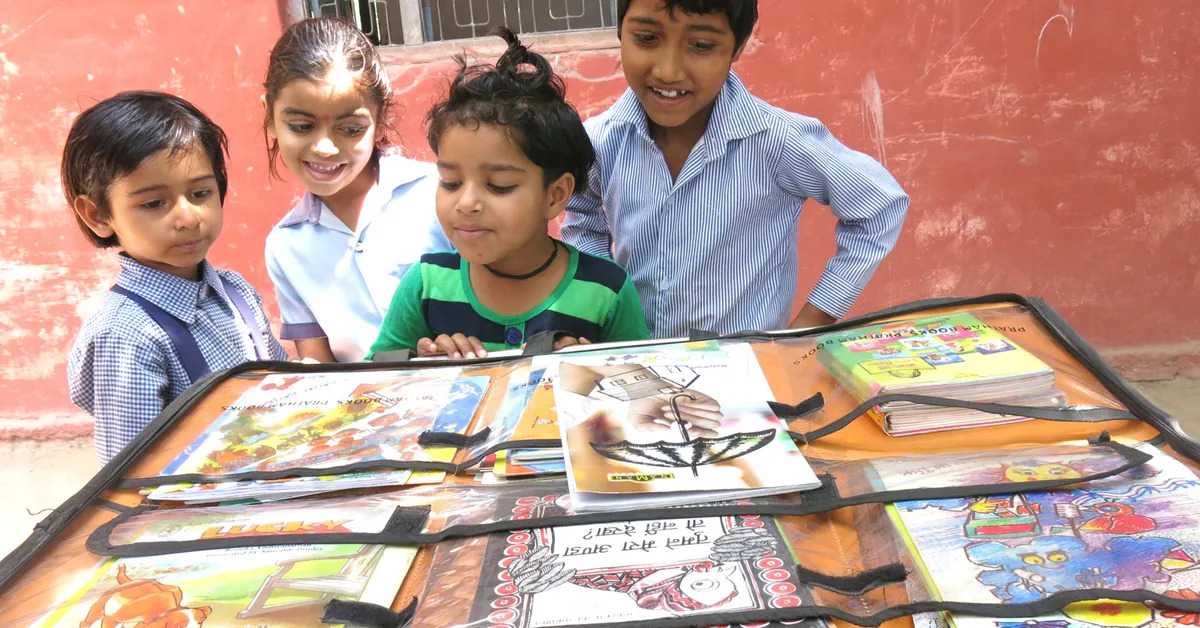
A dense, text-heavy pamphlet on a social taboo almost always ends up unread in a trash bin. A comic book, however, featuring a relatable character going through a familiar struggle, gets passed from hand to hand. That simple truth is the driving force behind a growing wave of Indian graphic projects that use visual storytelling to tackle conversations society has long avoided having out loud.
The Power of the Picture Story
Comics possess a unique ability to bridge generational, linguistic, and literacy divides. Where a block of formal text can feel alienating or clinical, a clear illustration translates complex emotions instantly. By pairing approachable art with relatable dialogue, graphic narratives create a psychological "safe zone." They allow readers to process heavy, uncomfortable subjects—from body image and structural stigma to systemic violence—without feeling overwhelmed or targeted.
Groundbreaking Projects Leading the Charge
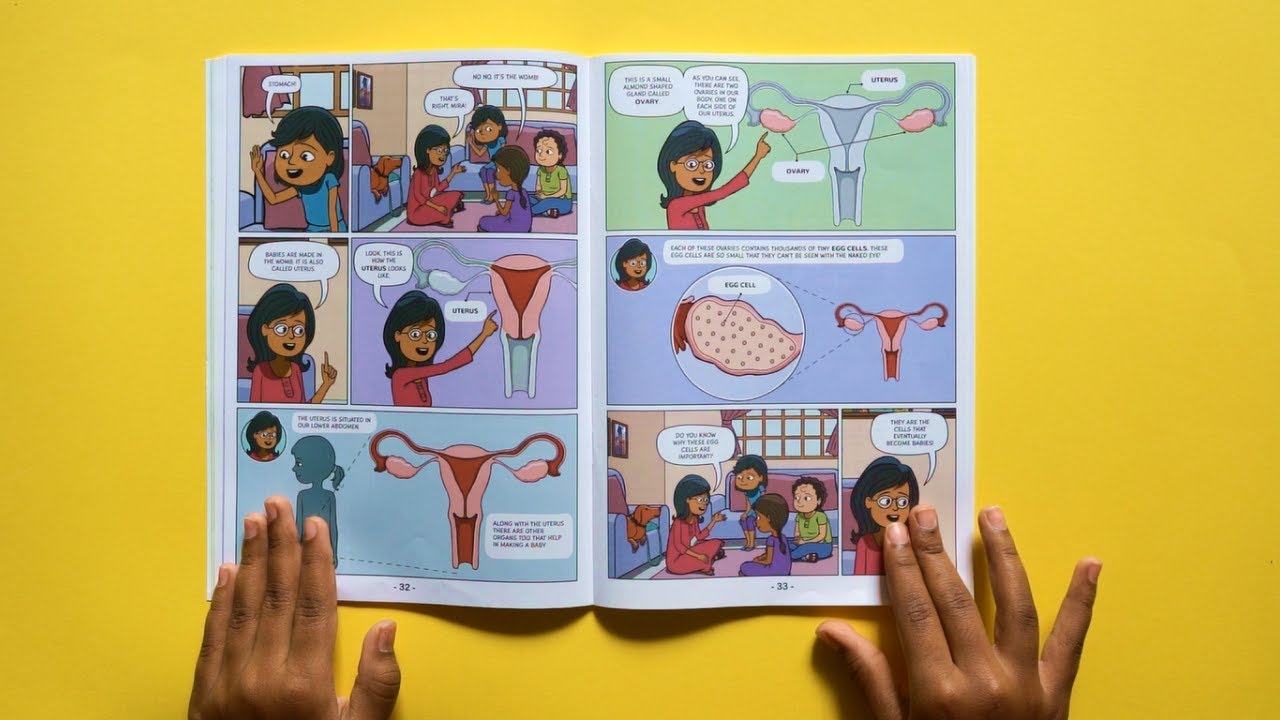
Menstrupedia: What began in 2012 as a college thesis project by Aditi Gupta and Tuhin Paul evolved into a pioneering menstrual education platform. Following a successful crowdfunding campaign, the comic officially launched in 2014, chronicling the journey of three young girls navigating puberty and their first periods. Heavily subsidised for NGOs, local governments, and educators, Menstrupedia has been integrated into the curriculum of over 25,500 schools across India, replacing shame with science-backed awareness.
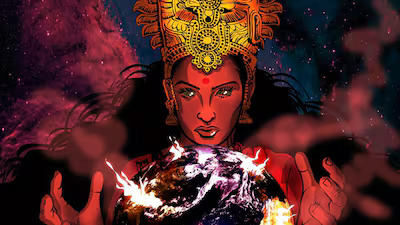
Priya’s Shakti: Created by filmmaker Ram Devineni alongside activist partners following the 2012 Delhi gang rape, this augmented-reality graphic novel series reimagines a female rape survivor as a superhero supported by the Goddess Parvati. Distributed in schools and painted as interactive street-art murals, the comic fuses traditional iconography with modern AR technology to challenge victim-blaming culture and gender-based violence.
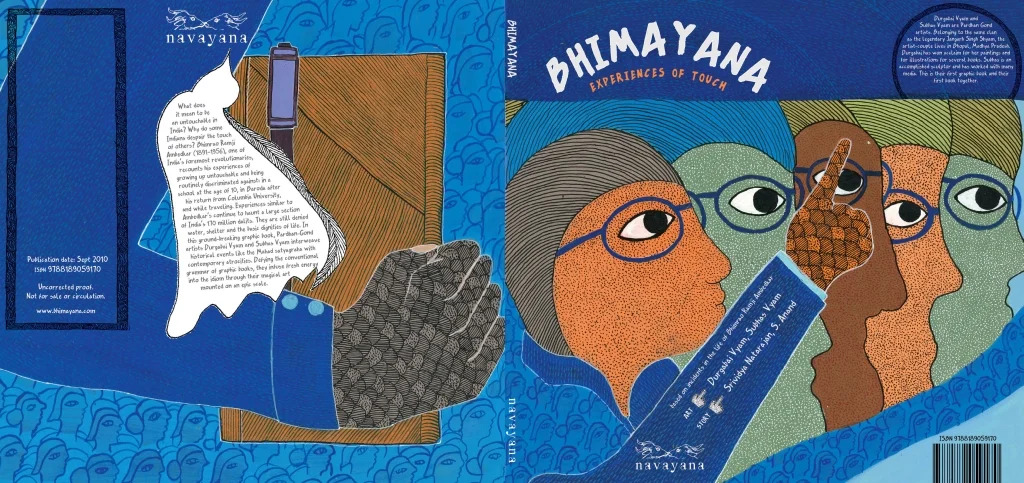
Bhimayana: Experiences of Untouchability: Published by Navayana in 2011, this landmark graphic biography of Dr B.R. Ambedkar features stunning illustrations by Pardhan Gond artists Durgabai Vyam and Subhash Vyam. Rejecting Western comic conventions, the artists completely abandoned rigid rectangular panels. Instead, they utilised fluid, organic Gond art motifs—shaping speech bubbles into stingers or bird beaks to represent the weight and prejudice of caste discrimination.
Tackling What Classrooms Skip
These visual works step directly into the gaps left open by formal education and conservative household dynamics. Subjects like menstrual hygiene, consent, sexual violence, gender identity, and caste oppression are routinely glossed over or erased entirely. Graphic novels provide a structured, non-confrontational framework for these difficult topics, transforming hushed taboos into visible, discussable realities.
The Reality on the Ground: Impact vs. Limitations
While the reach of these comics is undeniable, measuring their long-term social impact remains a complex challenge. Distributing a comic is one thing; shifting deeply ingrained cultural attitudes is another. Academic studies examining works like Priya’s Shakti highlight how difficult it is to quantify shifts in reader empathy or behavioural change over time.
Furthermore, funding remains a perpetual hurdle for independent creators and non-profits, limiting print runs and translation pipelines. Crucially, a graphic novel cannot stand alone—it functions best when paired with trained educators, open community dialogues, and sustained policy reforms.
Starting the Conversation
A comic book will not single-handedly dismantle systemic inequality or erase centuries of social stigma. What it can do, however, is dismantle the wall of silence surrounding those issues. By making the invisible visible and the uncomfortable approachable, Indian graphic activism offers a crucial first step: starting the exact conversations we have been too afraid to begin.