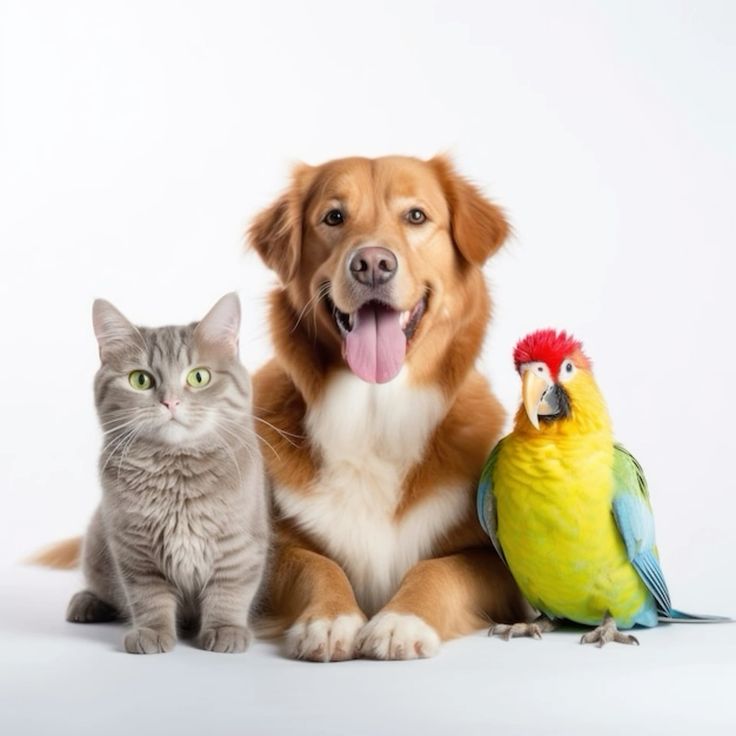
In many urban Indian homes, the dog has a wardrobe, the cat has a wellness routine, and pets are treated as family. The market has been catching up. Redseer counts about 32 million pets in Indian homes as of FY24, up from 26 million in FY19. Over the same years, spending on pet care rose from USD 1.6 billion to USD 3.6 billion.
What Goes in the Bowl

Big companies are paying close attention to pet food. Nestlé took a 10 percent stake in Drools in 2025, and Drools reported INR 932 crore in total revenue for the year to March 2025. Godrej Pet Care launched Ninja dog food in April 2025, with INR 500 crore set aside over five years. At the specialised end, Benny's Bowl makes clinical diets for gut health, kidney care, allergies and weight. A Goofy Tails co-founder says some customers spend INR 1,000 to INR 15,000 a month on food.
Dressed Up and Personalised
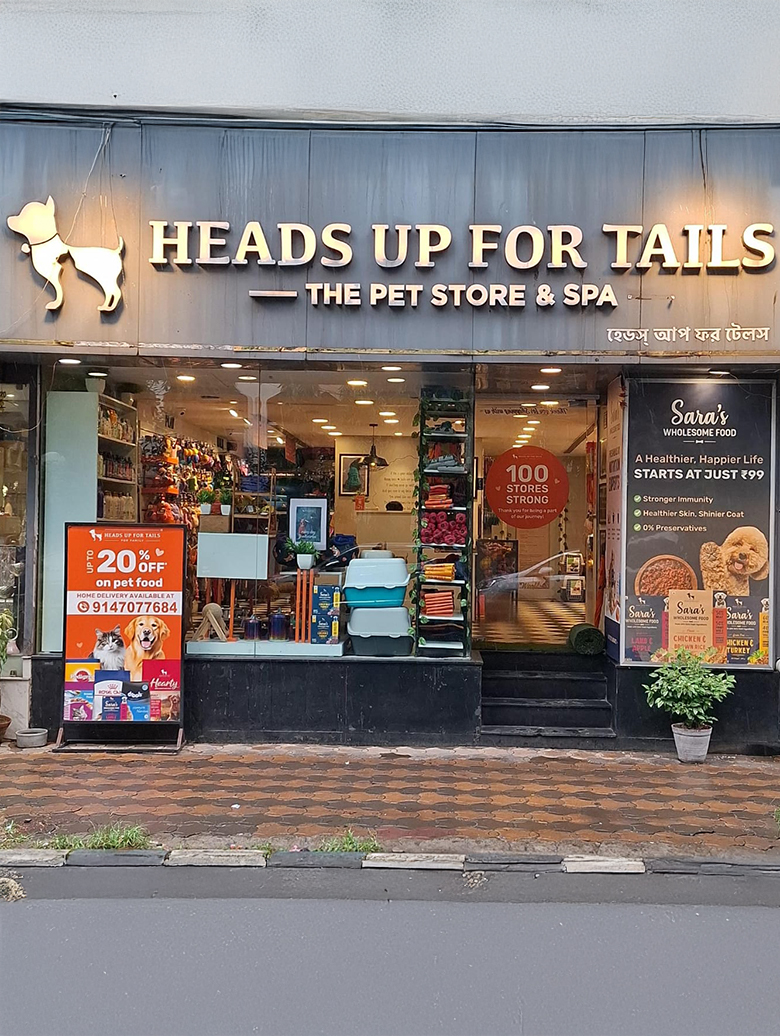
Heads Up For Tails began in 2008, when co-founder Rashi Narang could not find a gift for her dog Sara. It now has over 100 stores, and since September 2025 its range has been sold inside Shoppers Stop in Bengaluru and Thane. The brand offers a made-to-order dog lehenga for small breeds at INR 3,599 and says it can design beds, bowls and name tags for individual pets.
Holidays With the Family
Andaz Delhi welcomes cats and dogs within size and number limits, and provides a bed, bowls and food. Akasa Air has flown over 10,000 pets since 2022, double its count in December 2024, and 93 percent travelled in the cabin. One pet parent has made the Mumbai to Goa trip 26 times with a miniature poodle named Romeo.
A New Kind of Pet Parent
A 2024 Mars Petcare online survey found that 69 percent of Indian pet parents were first-time owners. Some 68 percent said their pets were central to their lives, against 37 percent globally. Flipkart reports that its pet care category grew over 50 percent year on year, with Gen Z and millennials making up more than 80 percent of demand. Mars also found that social media influenced 16 percent of puppy owners and 19 percent of kitten owners worldwide. Growth has its limits, though. Entrepreneur India notes that premium buying is still price sensitive, and awareness drops outside the largest cities.