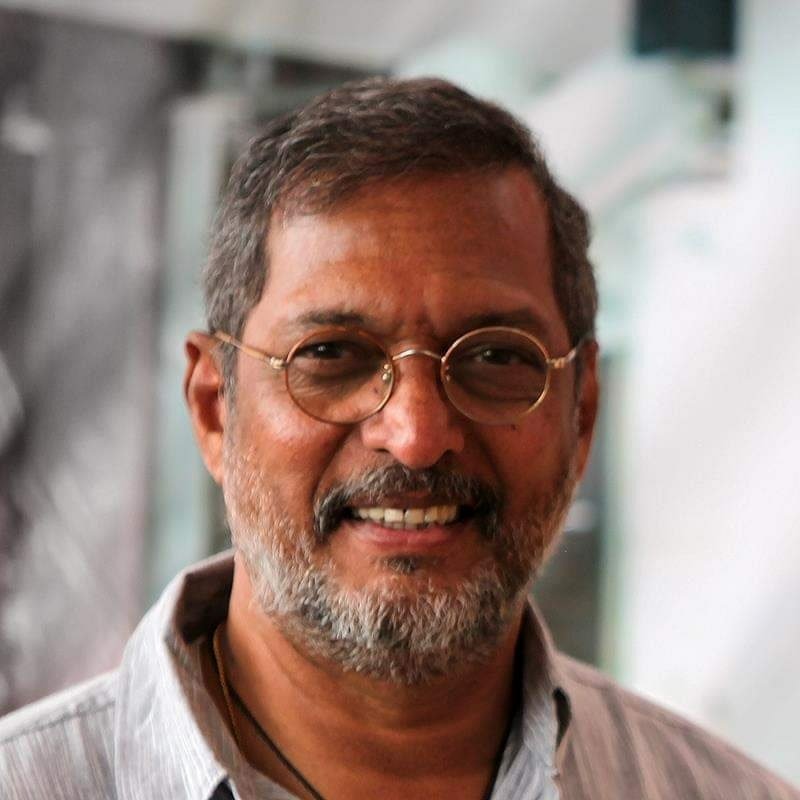
The morning of 8 October 2026 began not with a cheerful smile but with a saddened heart after the news of the demise of actor Nana Patekar. The news came as a shock to his fans, colleagues and the families who witnessed his enduring career of almost five decades in cinema, which cemented his place as one of the most versatile actors in the Indian film industry. Beyond his artistic achievements, Patekar was also actively engaged in social welfare and followed a simple and grounded lifestyle compared with many other Bollywood celebrities. This remained one of the standout qualities of his character that defined and distinguished him over the years.
As he left this world while holding on to his groundedness, it is time for us to revisit the journey of a personality whose arrival in cinema brought an intense level of emotional depth and honesty through performances that were rarely seen and experienced at the time.
Vishwanath Patekar Before Becoming Nana Patekar
Born on 1 January 1951 in Murud-Janjira, Maharashtra, his real name was Vishwanath Patekar. He went on to study at the J.J. School of Art, where his artistic perspective was shaped, but his real theatrical experience came when he became part of the legendary Marathi theatre group Rangayan under director Vijaya Mehta. There, his theatrical experience allowed him to internalise the characters that later earned him recognition and fame across the Indian film industry.
However, before the fame came a period of struggle. His debut film, Gaman, released in 1978, marked the beginning of his career, followed by a decade of small roles before he received his breakthrough. This highlighted his relentless hard work and perseverance, which later established him as an actor whose command of the screen made audiences feel connected and captivated.
1989 — The Breakthrough That Changed His Career
Nana Patekar's breakthrough came not in the role of a hero but as a villain in the 1989 film Parinda, where he played Anil Kapoor's character's brother, Anna, a menacing and complex character. He showcased the genuineness and realism he could bring to a role, earning him the Filmfare Award for Best Supporting Actor and the National Film Award for Best Supporting Actor.

His performance in the film established him as a formidable talent in the industry, paving the way for a series of performances and dialogue deliveries that cemented his reputation as one of Bollywood's most genuine and intense performers.
1994 — The National Award, the Filmfare and the Dialogue That India Never Forgot
After his remarkable performance in Parinda, one of his most renowned and popular roles came in Krantiveer, for which he won the Filmfare Award for Best Actor and the National Film Award for Best Actor. In the film, he played Pratap, a disillusioned and alcoholic gambler who undergoes a transformation and wages a war against systemic corruption, culminating in an iconic speech against communal hatred before confronting the film's primary villains.
He also made his directorial debut with Prahaar: The Final Attack in 1991, in which he played an army officer alongside Madhuri Dixit. The film highlighted the discipline and demanding life of an army officer, reflecting his longstanding interest in the armed forces.
Another major performance came in Agni Sakshi in 1996, which earned him his second National Film Award for Best Supporting Actor. The 1990s marked a period of extraordinary performances for Nana Patekar, establishing him as one of the most distinctive actors of his generation.
From Ab Tak Chhappan to Welcome — The Proof of Range
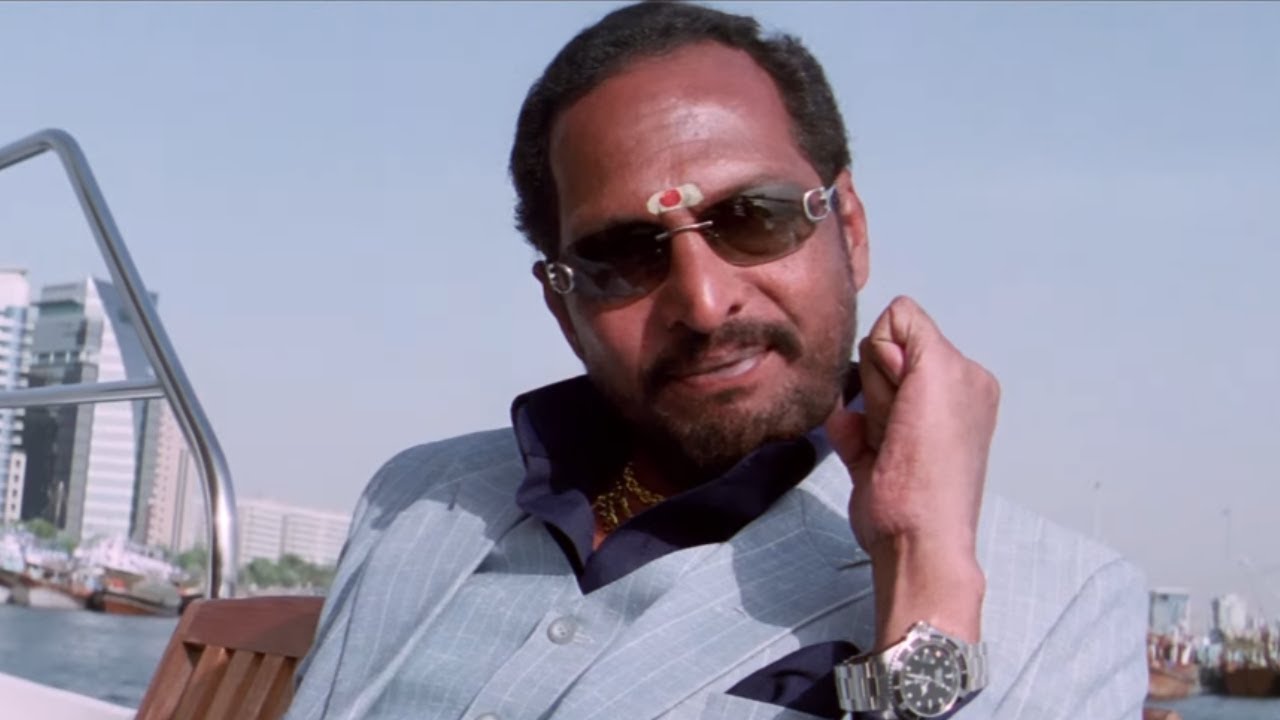
The period in which Nana Patekar's versatility took centre stage in his acting career was evident when he began experimenting with completely different roles and characters. In Ab Tak Chhappan, he brought seriousness and intensity to the character of encounter specialist Inspector Sadhu Agashe, whereas in Welcome, as comic gangster Uday Shetty, he showcased his ability to bring humour to the screen.
Meanwhile, Raajneeti (2010), alongside Ranbir Kapoor and Katrina Kaif, reflected his ability to anchor a large-scale political drama. Dr. Prakash Baba Amte – The Real Hero (2014), a Marathi biographical film, further demonstrated his range and earned him a Filmfare Award Marathi for Best Actor. These performances showed his ability to shift between distinct characters without losing his command or genuineness.
The Life Beyond Cinema
Nana Patekar was appointed an Honorary Lieutenant Colonel in the Indian Territorial Army and was associated with the armed forces for more than two decades. His devotion to the nation and the army did not remain confined to the screen but also became part of his life beyond cinema.
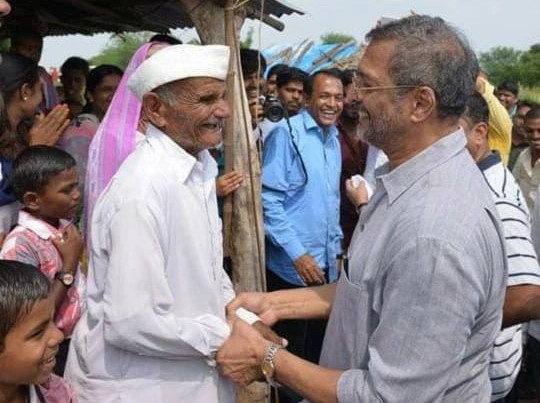
Alongside this, he co-founded the Naam Foundation, which works with farmers and communities affected by drought in Maharashtra. His social work remained largely grounded in the welfare of rural communities rather than publicity, strengthening his image as someone who sought to contribute beyond his work as an actor.
What He Leaves Behind
Three National Film Awards. One Padma Shri. A Marathi theatre tradition that he carried into Hindi cinema and never abandoned. A long association with the armed forces. A foundation that has supported Maharashtra's drought-affected farming communities. And a body of work — from Parinda to Welcome, Ab Tak Chhappan and beyond — that showed what Indian cinema could achieve when an actor refused to be predictable.
Intense on screen and grounded in life — that is the legacy Nana Patekar leaves behind.