The definition of luxury in India is undergoing a quiet, powerful transformation. A new generation of creative minds is stepping away from conventional corporate ladders and mass-market manufacturing to build conscious, community-first lifestyle brands. For these visionaries, success is no longer defined strictly by profit margins or rapid commercial scale, but by artisan empowerment, waste reduction, and ethical production practices. As modern consumers increasingly seek depth and accountability in the labels they support, these five groundbreaking creative voices prove that purpose has become the ultimate status symbol in contemporary lifestyle culture.
Kriti Tula: Circular Fashion and the Zero-Waste Movement

After graduating from Pearl Academy and completing her post-graduation at the London College of Fashion, designer Kriti Tula witnessed firsthand the staggering amount of fabric wasted during mass garment production. Motivated to challenge this industrial inefficiency, she co-founded Doodlage, an innovative label that treats factory leftovers not as trash, but as a rich resource for modern design. Under her leadership, Doodlage collects discarded fabric scraps and deadstock materials directly from large export houses, transforming them into high-end, contemporary apparel. Tula ensures that every garment is constructed by local artisans working in fair, safe, and ethically compensated environments, proving that circular fashion can be both aesthetic and deeply responsible.
Mansi Shah: Sustainable Living and the Art of Seed-Gifting
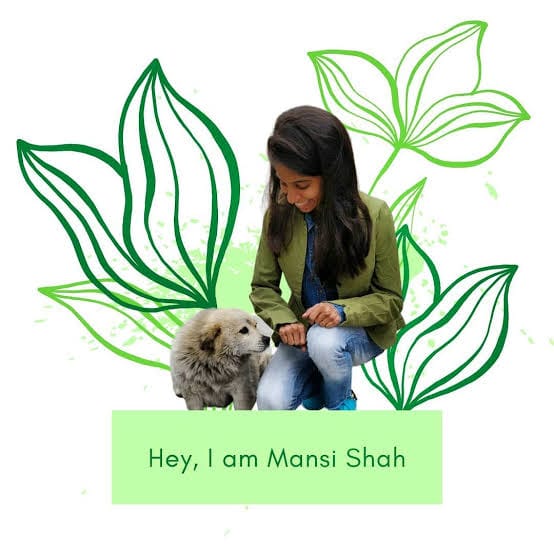
With a background in biotechnology and forensic science, Mansi Shah was initially on a path toward clinical research before turning her attention to the environmental impact of urban lifestyle habits. Dismayed by the immense plastic waste and single-use packaging generated during festive celebrations and corporate events, she launched Gift Green to offer simple, accessible, and earth-friendly alternatives. Her venture produces innovative items ranging from plantable stationery and seed-paper notebooks to reusable food wraps and plantable festival items that sprout into greenery when potted. By keeping production in small batches and collaborating with local craftspeople, Shah has successfully turned everyday lifestyle products into tools for environmental education and low-waste living.
Jeremy Fritzhand: Preserving Heritage Crafts Through Social Enterprise
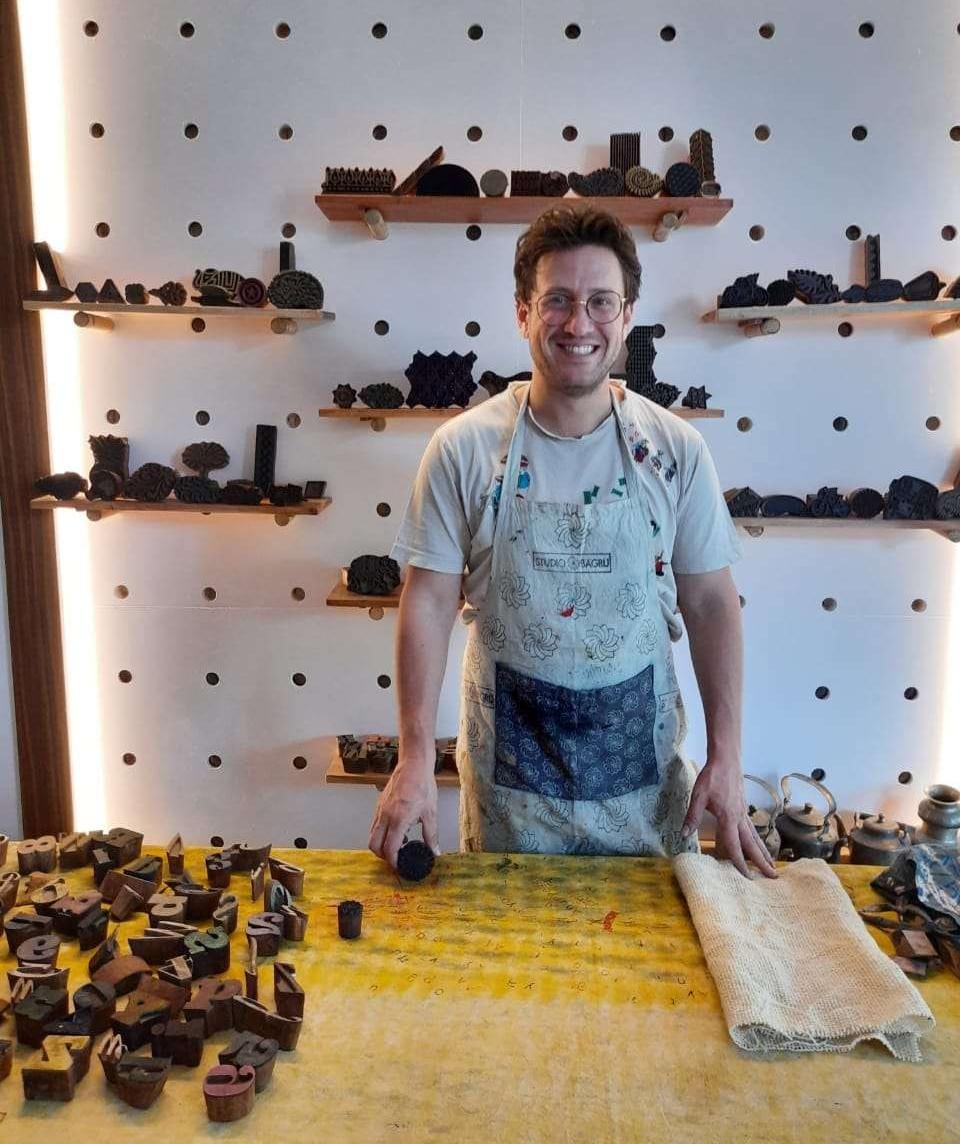
After visiting India as an anthropology student and witnessing the economic precarity faced by traditional artisan communities due to unfair middleman structures, Jeremy Fritzhand founded Studio Bagru. Built to create a direct bridge between Rajasthan’s master craftspeople and global design markets, the enterprise focuses on preserving centuries-old hand-block printing techniques through fair-trade practices, transparent working conditions, and stable wages. By integrating modern design sensibilities with ancient artisan heritage, the enterprise demonstrates how business models can actively protect traditional crafts while improving rural livelihoods.
Alan Alexander Kaleekal: Minimalist Design and Handloom Revival
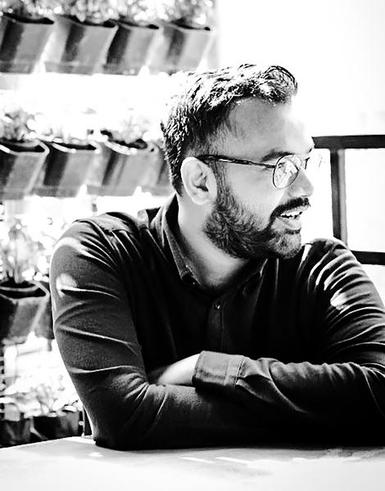
After beginning an engineering course, Alan Alexander Kaleekal shifted paths to study fashion in Paris, founded his label KALEEKAL to fight against the fast-paced, wasteful nature of modern clothing. Troubled by how fast fashion relies on synthetic fabrics and rigid, tight-fitting trends, he decided to build a business around patience and tradition. Kaleekal works directly with master handloom weavers across South India, buying natural, hand-woven fabrics to keep their ancient craft alive. Instead of launching new clothing collections every few months to chase temporary trends, he creates timeless, gender-neutral designs with loose, comfortable fits. By choosing to make clothes slowly and intentionally, his brand protects the livelihoods of traditional weaving communities while offering consumers a more sustainable way to dress.
Saisha Shinde: Inclusive Couture and Transgender Visibility

As a celebrated name in Indian high fashion who publicly came out as a transgender woman, Saisha Shinde has continued to use fashion as a platform for self-expression, inclusivity, and representation. Having designed for major red carpets and international stages, Shinde uses her platform to challenge mainstream beauty norms and advocate for greater representation within fashion. Rather than relying on automated mass-scale manufacturing, her work reflects a deeply personal journey of identity and her belief in greater inclusivity within the industry. Through her prominent work and advocacy, Shinde actively expands trans visibility in the Indian creative industry while demonstrating that luxury fashion can be rooted in diversity, dignity, and craftsmanship.
Why Purpose is the Future of Lifestyle Culture
The shift toward purpose-driven creation is not a temporary trend; it reflects a fundamental change in how values are assigned to luxury goods today. As these five founders illustrate, creating a meaningful brand in India requires looking beyond surface aesthetics to embed ethical responsibility into every stage of production. By prioritizing the environment, preserving traditional artistry, and expanding social inclusion, their work establishes a new standard for modern Indian lifestyle—one where integrity and impact remain at the core of true luxury.