
In recent years, sustainability has moved beyond a buzzword to become a defining value in the global fashion industry. With increasing awareness about climate change, environmental degradation, and ethical labor practices, both consumers and fashion brands are reevaluating how clothes are produced, marketed, and worn. Nowhere is this transformation more relevant than in India—a country with a deep-rooted textile tradition, a vast fashion consumer base, and a booming manufacturing sector. Today, sustainability is not a choice; it’s a critical component shaping the future of fashion both locally and globally.
The Dark Side of Fast Fashion
Fast fashion has revolutionized the way people consume clothing, but it comes at a steep environmental and ethical cost. Globally, the fashion industry accounts for approximately 10% of carbon emissions and nearly 20% of wastewater, as per the United Nations Environment Programme. Fast fashion relies on quick turnarounds, high volume, and disposable trends, which encourage overproduction and lead to enormous waste.
India, as one of the world’s largest textile producers and exporters, plays a dual role in this narrative. The Indian fashion market, currently valued at over $100 billion, is expanding rapidly due to a young demographic, increasing incomes, and digital retail growth. However, this progress has also intensified stress on natural resources, encouraged exploitative labor practices, and led to a mounting problem of textile waste.
What Does Sustainable Fashion Mean?

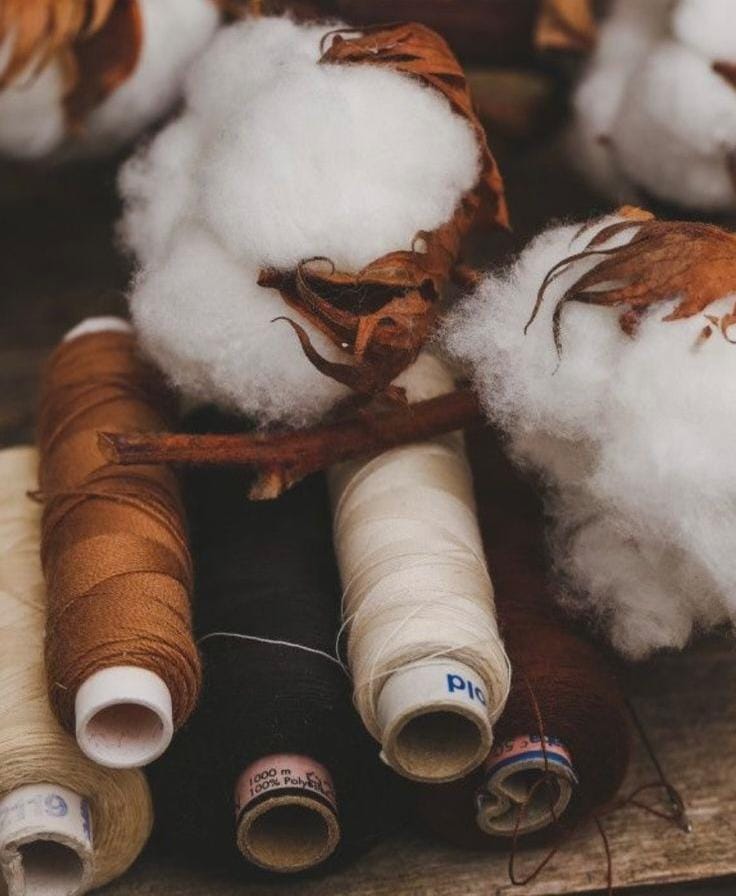
Sustainable fashion refers to a set of practices that aim to minimize the environmental and social impact of clothing across its lifecycle—from design and production to consumption and disposal. This involves the use of eco-friendly fabrics like organic cotton, hemp, and bamboo; ethical labor standards ensuring fair wages and safe working conditions; low-waste or zero-waste manufacturing methods; and the promotion of recycling and upcycling techniques.
At its core, sustainable fashion also advocates a shift in mindset—moving away from impulsive shopping and seasonal trends to mindful consumption and appreciation for long-lasting garments.
India’s Role in the Sustainable Fashion Revolution

India holds a unique position in the global push for sustainable fashion. With centuries-old traditions of handloom weaving, natural dyeing, and craft-based production, the country has a rich history of sustainable textile practices. This cultural foundation is now merging with modern design to redefine fashion for the better.
Indian Designers Reviving Craft and Handloom Traditions

Designers such as Sabyasachi Mukherjee, Anavila Misra, and Rimzim Dadu are championing Indian textiles by incorporating handwoven fabrics and artisanal techniques into their high-end collections. These efforts not only preserve heritage crafts but also support rural artisan communities. The Fashion Design Council of India (FDCI) has actively promoted sustainability through themed fashion weeks and partnerships focusing on khadi and handloom textiles.
The Rise of Sustainable Fashion Brands

India’s fashion landscape is witnessing the emergence of conscious, homegrown brands like Okhai, No Nasties, Doodlage, B Label, and Brown Living. These labels emphasize organic fabrics, upcycled clothing, and sustainable packaging, offering consumers stylish and planet-friendly alternatives to fast fashion. They are also tapping into e-commerce and social media to reach a wider, digitally engaged audience.
The Thrift and Circular Fashion Culture
Circular fashion—centered around reusing, repairing, and recycling garments—is gaining momentum in urban India. Platforms like Saritoria and LuxeStylista are reshaping fashion consumption by promoting pre-loved luxury, rental wardrobes, and responsible ownership. This growing thrift culture is making sustainable fashion more accessible and cool among Gen Z and millennials.
Innovation: A Catalyst for Sustainable Growth
Technology is playing a crucial role in accelerating sustainable practices in fashion. Indian startups are experimenting with natural fibers made from banana, aloe vera, and bamboo, offering biodegradable alternatives to synthetic fabrics. AI-driven software is helping brands optimize production and reduce fabric waste, while blockchain is being explored to ensure transparency in supply chains.