

I just finished watching 12 Angry Men—a movie directed by Sidney Lumet in 1957—in which twelve jurors must decide the fate of a young man accused of murdering his father.
For days—and even before watching it this time—I had repeatedly come across praise for the film. Unlike most Indian courtroom dramas or series, this film focuses entirely on a 12-member jury: citizens of the state who voluntarily listen to both the defence and the prosecution and then, anonymously, decide whether the accused is guilty or not.
Also Read: Bridgerton Season 4 asks the question no romance wants to answer
The Accusation & Initial Vote
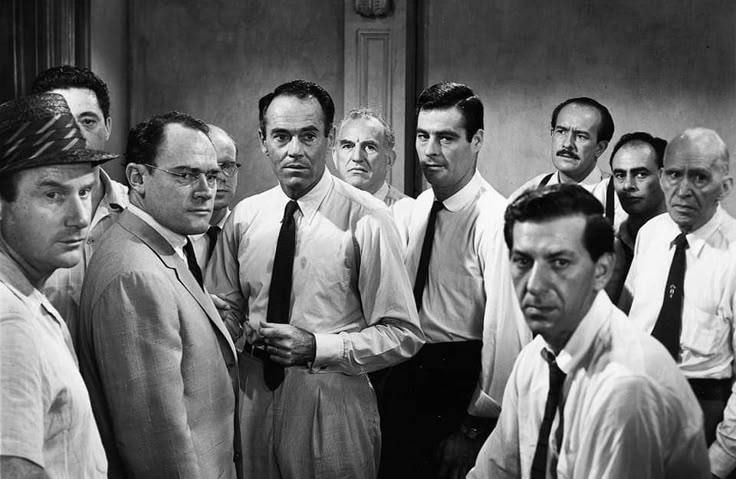
The accused is an 18-year-old boy charged with murdering his father. Given the circumstances, the evidence, and the witnesses, the majority of the jury are convinced of his guilt. A few jurors are unconvinced, but they go with the flow—many would rather avoid the inconvenience of deliberation or have other matters to attend to. Among them, however, Juror No. 8 is the one who proposes a discussion that proves to be necessary. Juror No. 10—an owner of a car repair shop and an openly vicious racist—refuses to consider any possibility that the accused might be not guilty, dismissing him because of his low background.
Personal Biases
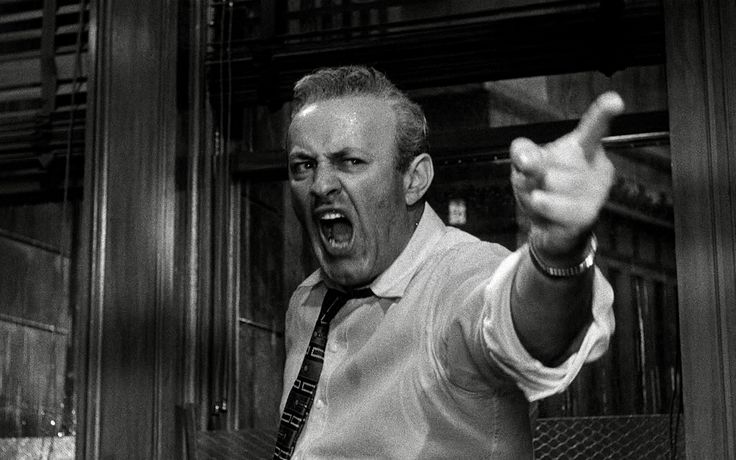
Likewise, Juror No. 3 is clouded by an estranged relationship with his own son, and that bitterness colours his judgement. No matter how many flaws are pointed out in the evidence and witness testimony, he remains unyielding—until, at the end, he breaks down emotionally and accepts the possibility that the boy might not be guilty.
Turning the Tide
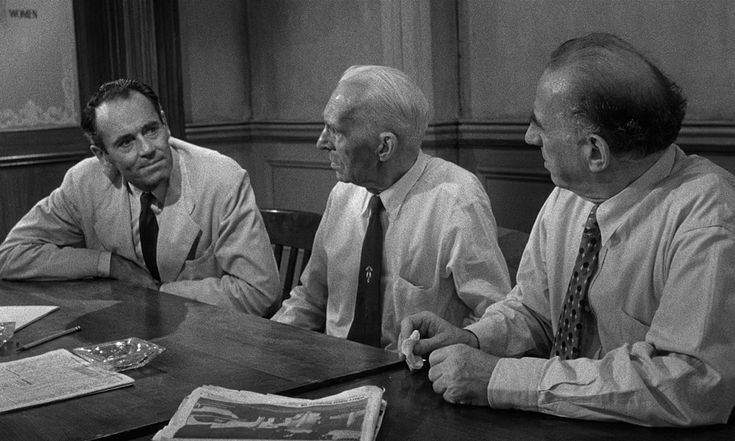
Juror No. 9 is the first to support Juror No. 8’s call for a constructive discussion, and their careful questioning unearths several small details that had been overlooked. After listening to these previously ignored aspects of the case, the vote shifts from 11–1 for guilty to 6–6. It eventually becomes 9–3 in favour of not guilty. Although the discussion never produces definitive proof of the boy’s innocence, it establishes reasonable doubt through methodical, empirical thinking—enough to persuade others to set aside their prejudices.
Verdict
Unlike many courtroom films and shows, 12 Angry Men confronts apathy, prejudice, and stereotypes—forces that blur our judgement. The film insists that a person’s life is worth more than convenience or haste. When one person stands for honest, rigorous discussion despite all odds, truth has the power to prevail. Ultimately, the film argues that justice requires patience and moral courage: it is far better that ten guilty men escape than that one innocent suffer.
Image Courtesy: Pinterest