
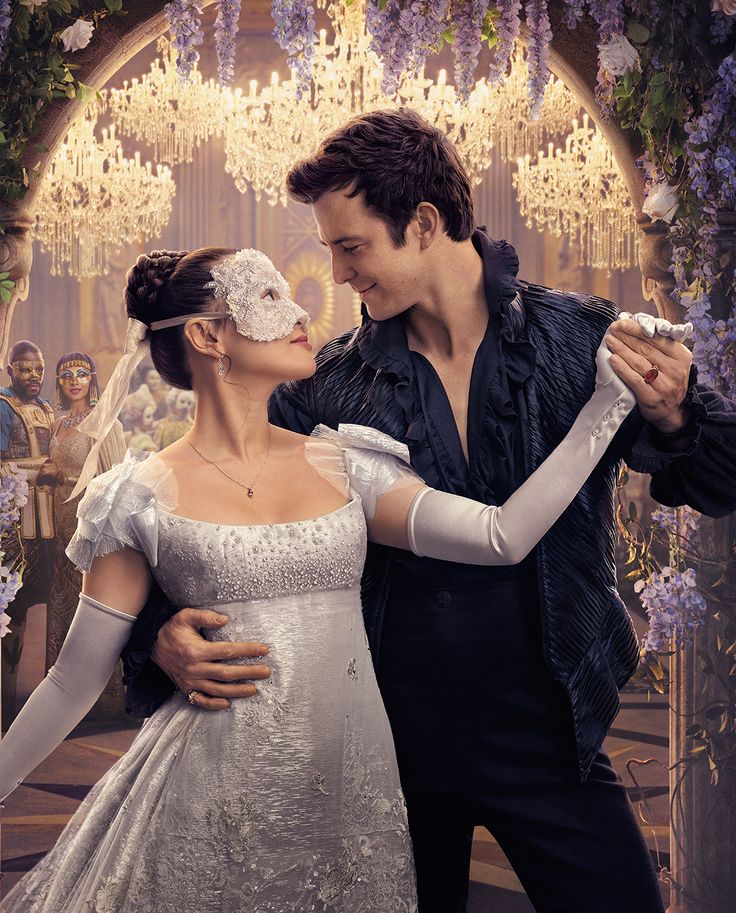
Bridgerton season 4 has come back with another soap opera and slow-burning romance. It gives the touch of the Cinderella world amid class inequality. This season revolves around Benedict Bridgerton and Sophie Baek's gradual development of intimacy and the class hurdles that culminate in Benedict's proposal to Sophie to become his mistress rather than wife.
A Quick Synopsis of Bridgerton Season 4, Part 1
Part 1 follows Benedict's search for the “lady in silver”, whom he meets at the masquerade ball, a brief encounter that makes him restless. Her trail leads him to the Penwood household, where he meets Sophie, who is a maid there, and is reprimanded by the household. Oblivious of her identity, he offers her help, which makes them travel together. While travelling, they take shelter in a cottage because of the rain. However, shared time and household rituals ignite a spark between them. Later, he finds out that the lady in silver and Sophie are the same person and brings her to the Bridgerton house and offers her to become his mistress, underscoring the class dynamics that undermine the love between a couple of different classes.
Performance and Chemistry between Bridgerton characters
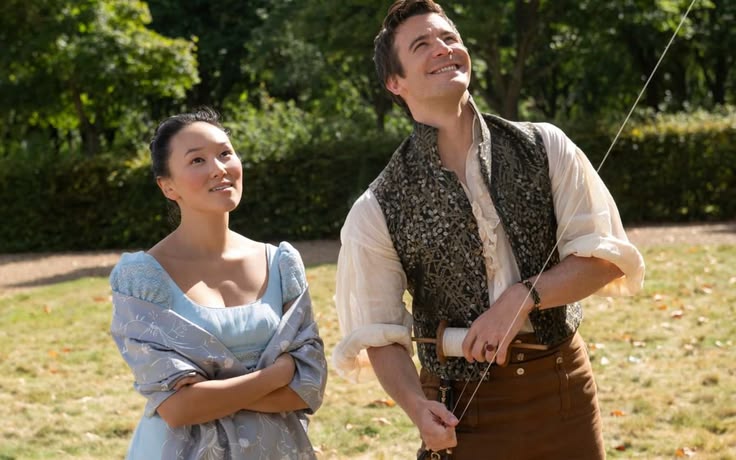
Luke Thompson's performance in the role of Benedict feels natural, nuanced, and in the service of the story. Initially shown as free-spirited and avoiding responsibility. He doesn’t like to indulge himself in frivolous acts of the high class; the encounter with Sophie drives him in her search. That represents his personality as someone who seeks substantial rather than surface pleasure.
Yerin Ha as Sophie is represented with agency, competence and internal restraints. Her visit to the masquerade ball signifies her choice to be visible; her time in the cottage showcases her reliability, which makes her attractive. Even when Benedict offers her to become his mistress, she does not accept despite her class, showing that she’s not a passive prize and makes choices, even when options are narrow.
Themes—why the season matters
Class & visibility: The season reframes the classic Cinderella romance as a story about who can be seen safely. Sophie’s visibility at the ball invites punishment; Benedict’s visibility invites romance—the asymmetry is the show’s central question.
Consent vs. compromise: The mid-part proposal—framed by some as a pragmatic rescue and by others as a commodification of intimacy—forces a real examination of whether private affection can be ethical when public power is unequal. Coverage and conversation around this choice became the season’s lightning rod.
Fantasy vs. reality: Bridgerton doubles down on wish fulfilment (lavish costumes, swoony covers of pop songs) while also interrogating whether the fantasy is compatible with moral modernity. The show rarely gives easy answers.
Production: look, sound, and staging
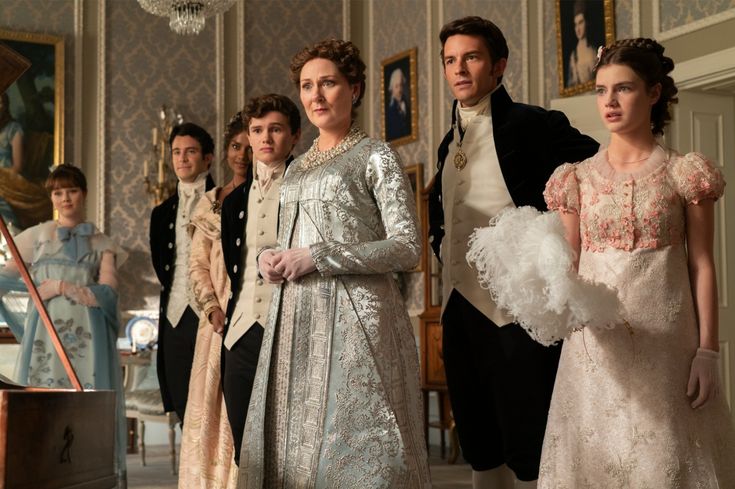
The production design and costumes are predictably gorgeous: Sophie’s silver dress, the cottage textures, and the staircase scene are vivid storytelling devices that carry emotional weight. The soundtrack choices keep the series’ signature modern-period tone intact.
Verdict
If you come for production values, slow-burn intimacy, and character study, Part 1 delivers: Bridgerton doubles down on small-scale romance and gives Benedict and Sophie scenes that land emotionally. If you prefer the franchise’s earlier, more overtly escapist delights, or if you’re uneasy about power imbalances at the centre of a romance, this stretch feels ethically awkward and tonally uneven. The mid-part “mistress” cliffhanger is deliberate and provocative: it asks whether love can be separated from the social structures that shape it. It is the conversation starter of the season.
Image Credits: Pinterest