Cinema has the ability to introduce audiences to experiences they may not encounter in their everyday lives. Beyond entertainment, films can challenge assumptions, encourage empathy and bring attention to subjects that are often misunderstood. In India, neurological conditions and disabilities are still frequently met with misconceptions, social stigma and a lack of awareness. Bollywood has occasionally addressed these experiences through stories that encourage audiences to look beyond a person's diagnosis and recognise the individual behind it. From learning differences to physical disabilities, these films raise an important question: are we seeing people for who they are, or defining them by their conditions?
Stories That Challenge Perceptions
Taare Zameen Par (2007)
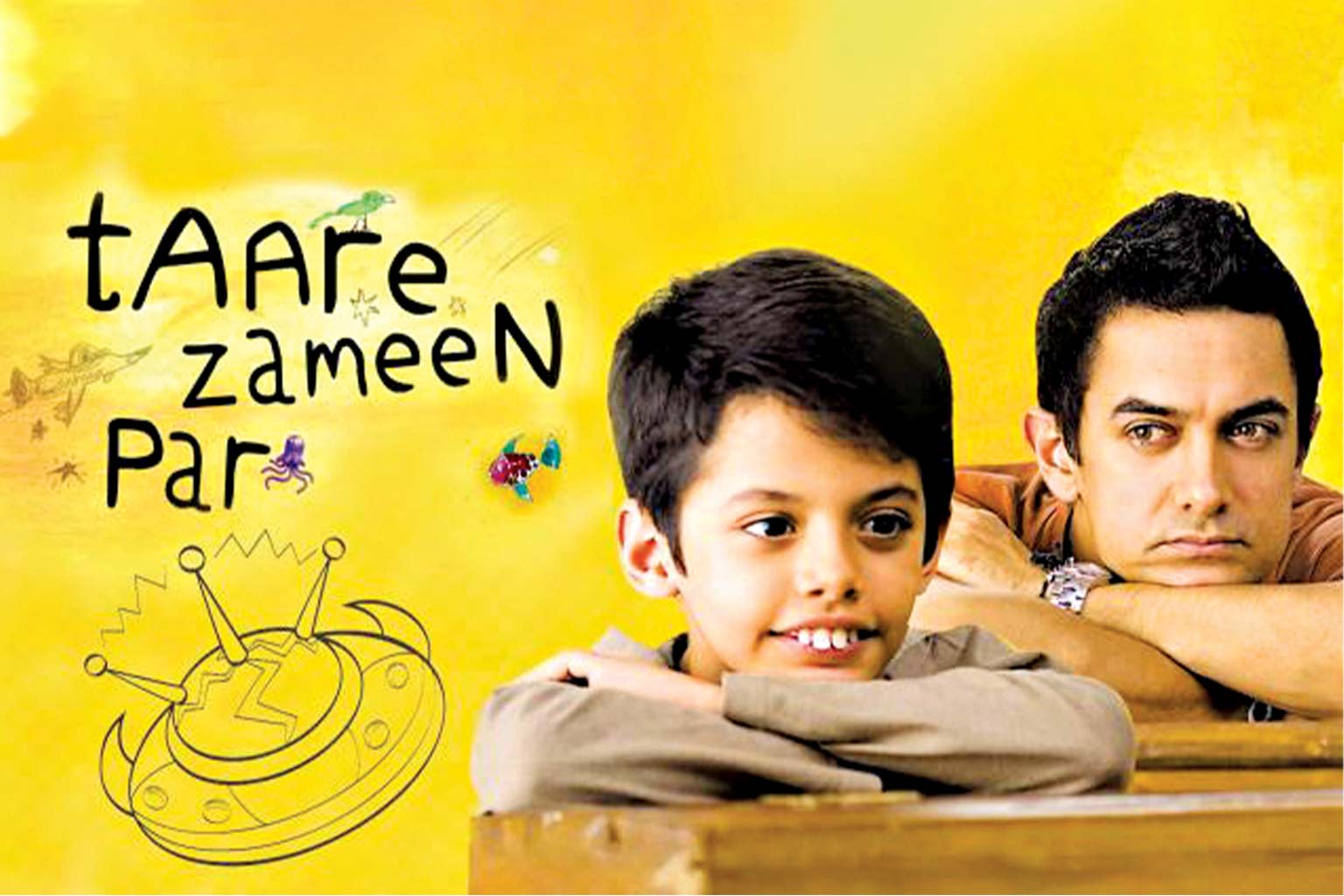
One of Bollywood's most memorable portrayals of dyslexia, Taare Zameen Par follows Ishaan Awasthi (Darsheel Safary), an eight-year-old boy who struggles with reading, writing and conventional classroom learning. His difficulties are repeatedly mistaken for laziness and indiscipline, leading to frustration at home and school. Things begin to change when Ram Shankar Nikumbh (Aamir Khan), an art teacher, recognises that Ishaan has dyslexia and understands that his learning needs have been overlooked. Through patience, encouragement and an alternative approach to teaching, Nikumbh helps Ishaan rediscover his confidence and creativity. The film highlights how a lack of awareness can affect a child's education and self-esteem. More importantly, it challenges the assumption that academic performance determines intelligence, reminding audiences that children have different ways of learning and expressing themselves.
Hichki (2018)
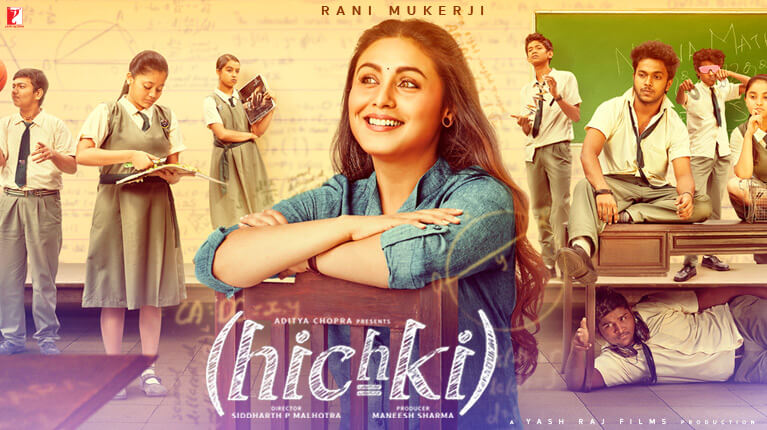
Starring Rani Mukerji as Naina Mathur, Hichki explores the experiences of a woman living with Tourette syndrome, a neurological condition characterised by involuntary movements and vocal sounds known as tics. Despite aspiring to become a teacher, Naina repeatedly faces rejection because of the assumptions people make about her condition. When she finally gets an opportunity to teach a group of students considered difficult by the school, she must find a way to connect with them while navigating their initial reluctance and her own challenges. Her journey highlights how unfamiliar behaviours can lead to unfair assumptions about someone's abilities. Rather than allowing her condition to define her professional identity, Naina demonstrates that determination, empathy and the right opportunities can make a difference.
My Name Is Khan (2010)
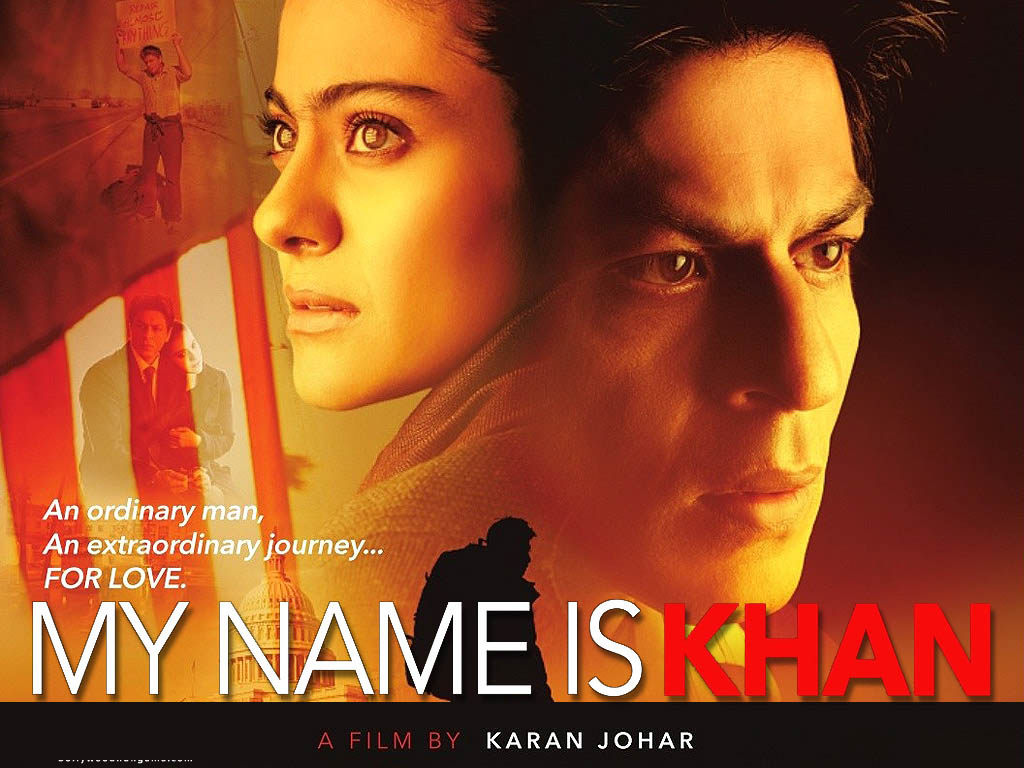
Starring Shah Rukh Khan and Kajol, My Name Is Khan follows Rizwan Khan, a man with Asperger's syndrome, a diagnostic term used in the film that is now incorporated into autism spectrum disorder. Following the death of his stepson, Sameer, Rizwan embarks on a journey across the United States to meet the President and convey that his condition does not make him a threat. Living with differences in communication and social interaction, Rizwan often finds himself misunderstood by those around him. His experiences become even more challenging following the events of 9/11, when prejudice and discrimination begin to shape the way he and his family are treated. His story encourages audiences to question their assumptions and recognise the person beyond a diagnosis.
Black (2005)
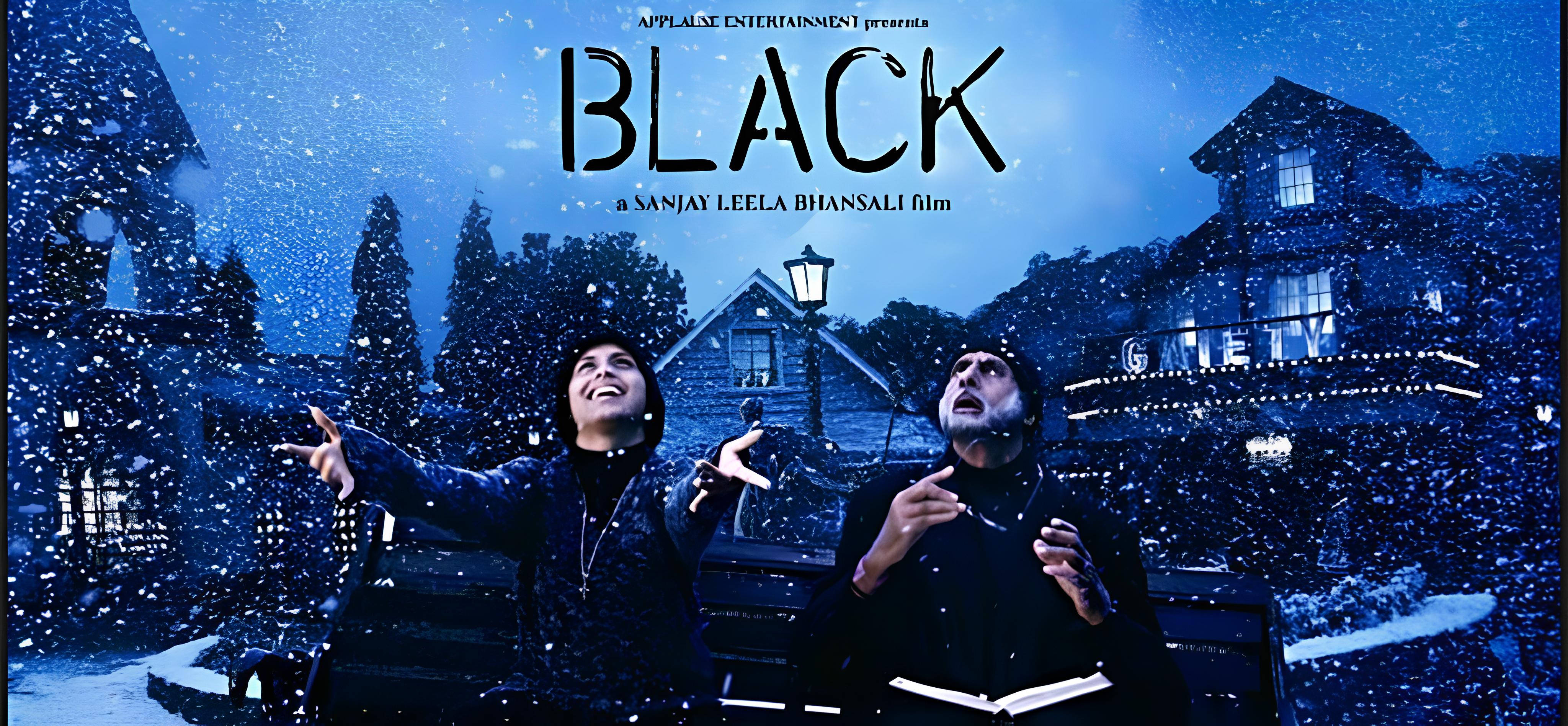
Starring Amitabh Bachchan and Rani Mukerji, Black tells the story of Michelle McNally, a girl who loses her sight and hearing following an illness during early childhood. Unable to communicate with the world around her through conventional means, Michelle struggles to express herself and connect with others. Her life takes a turn when Debraj Sahai, a teacher with an unconventional approach, enters her life and works towards helping her communicate, learn and gain independence. The film follows their relationship as Michelle gradually discovers ways to understand and navigate her surroundings, eventually pursuing higher education. Beyond its emotional storytelling, Black draws attention to accessible education, patient guidance and recognising the learning capabilities of people with sensory disabilities.
Margarita with a Straw (2014)

Kalki Koechlin plays Laila, a young woman with cerebral palsy who leaves Delhi to study at New York University. As she navigates a new environment, she meets Khanum, a blind activist, and develops a romantic relationship with her. The film explores Laila's experiences with love, sexuality, independence and her understanding of identity. What makes her story particularly meaningful is that it does not restrict her identity to her disability. She is allowed to be curious, vulnerable, ambitious and imperfect. Through Laila's journey, the film challenges the tendency to overlook the emotional and romantic lives of people with disabilities, reminding audiences that their relationships, desires and personal choices deserve to be acknowledged.
Guzaarish (2010)
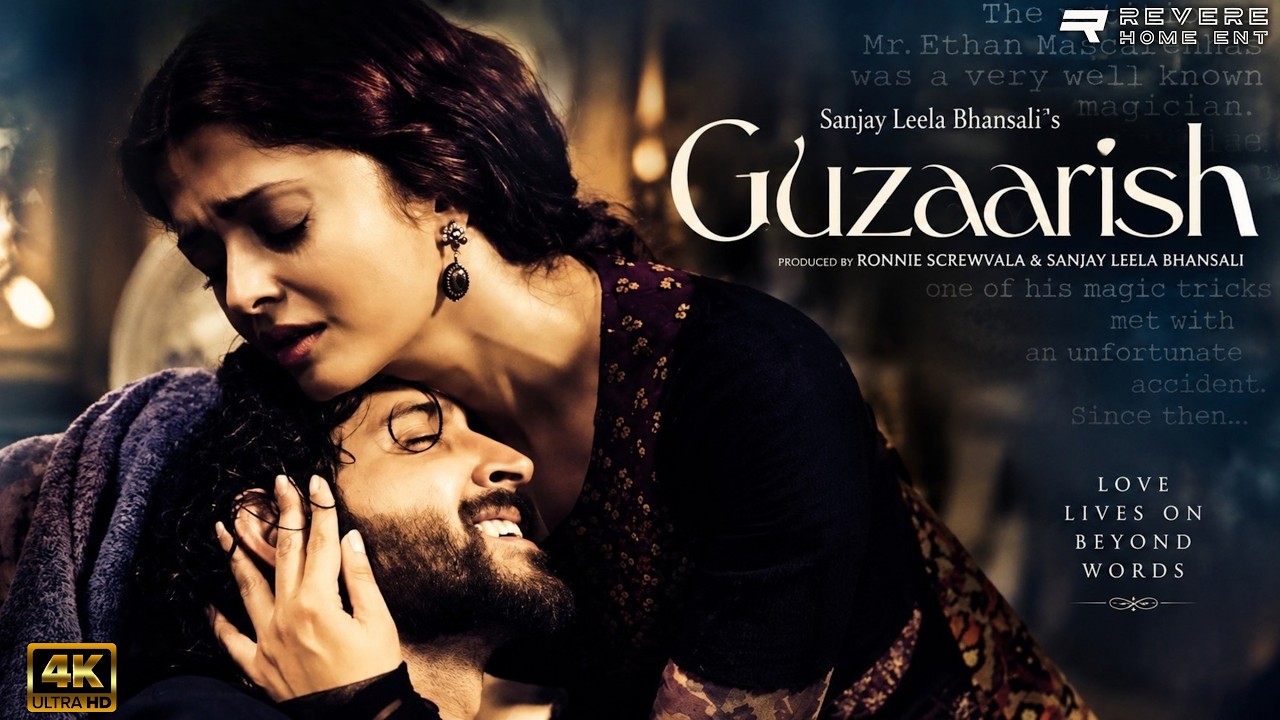
Hrithik Roshan and Aishwarya Rai Bachchan star in Guzaarish, a film that explores disability through the story of Ethan Mascarenhas, a former magician who becomes quadriplegic following a spinal injury during a performance. Fourteen years after his accident, Ethan continues to engage with the world by hosting a radio show and inspiring others through his experiences. However, he eventually files a petition seeking legal permission to end his life, bringing his personal struggle into the courtroom and sparking a difficult conversation about autonomy, dignity and personal choice. Rather than offering easy answers, the film raises questions about how society understands suffering and whether the voices of people living with severe disabilities are given the consideration they deserve.
The Limitations of Cinematic Representation
While these films have contributed to bringing conversations around neurological conditions and disabilities into mainstream cinema, representation also comes with responsibility. A film's portrayal cannot substitute for lived experiences, and even well-intentioned storytelling can sometimes simplify complex realities. There is also a tendency to make characters' conditions the central source of conflict or emotional impact, leaving little room for other aspects of their identities. Greater attention to research, authentic perspectives and diverse storytelling can help ensure that representation moves beyond sympathy and towards genuine understanding.
Seeing the Person Beyond the Condition
Cinema may not always capture the complete reality of living with a neurological condition or disability, but it can encourage audiences to question their assumptions and approach differences with greater understanding. These stories remind us that a diagnosis does not define a person's intelligence, aspirations, relationships or worth. Ultimately, awareness should go beyond recognising a condition; it should begin with recognising the person living with it.