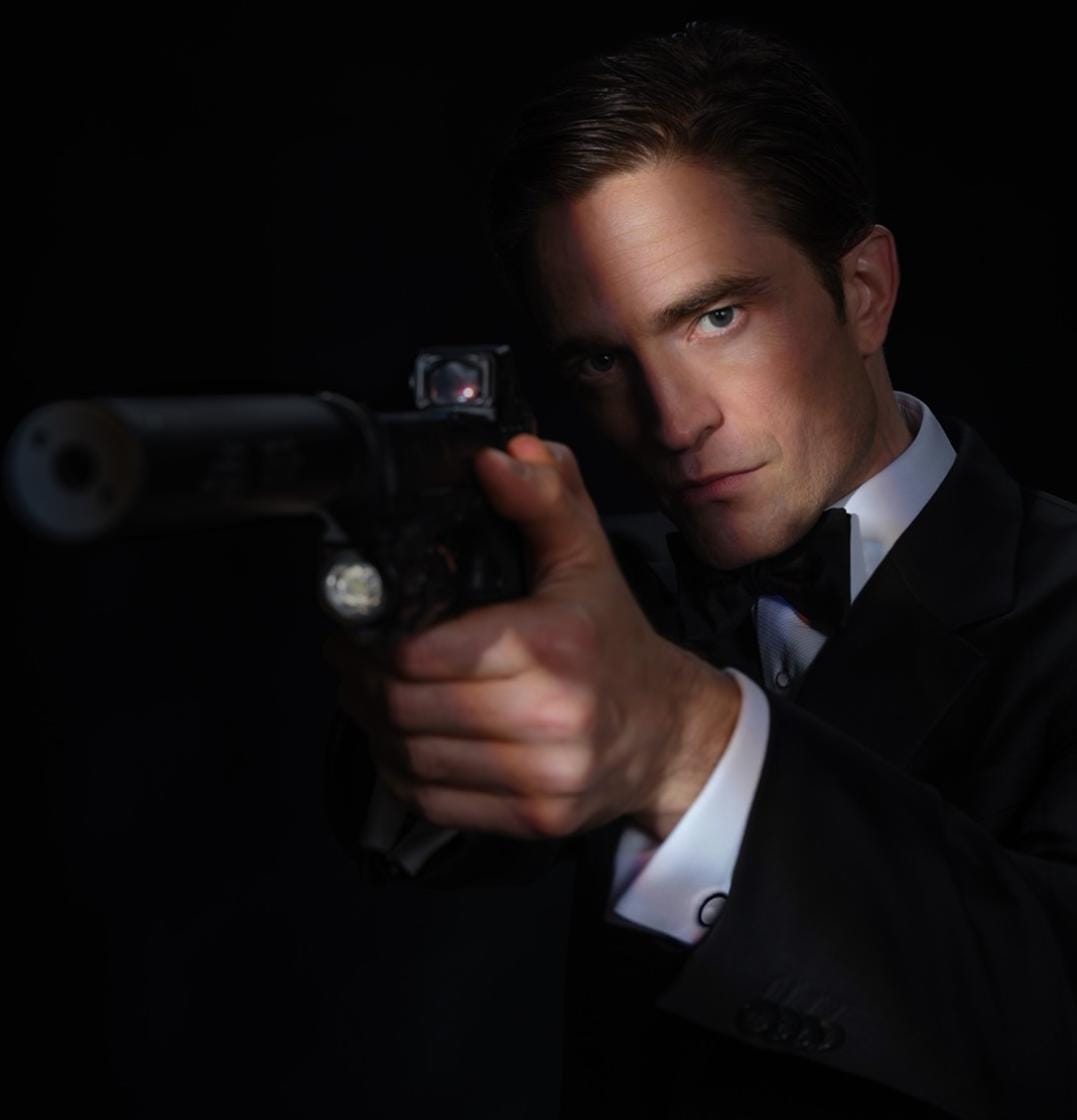
With Robert Pattinson stepping into the iconic role of James Bond, the world is once again talking about the British secret agent who has entertained audiences for generations. From Sean Connery and Pierce Brosnan to Daniel Craig, several actors have brought their own interpretation to the character. But long before Bond became a cinematic phenomenon, he was a literary creation born out of one author's imagination, wartime experiences and fascination with espionage.
So, where did James Bond actually begin? And was the character inspired by a real-life spy?
The Man Who Created James Bond
James Bond was created by British author Ian Fleming, who introduced the character in his first spy novel, Casino Royale, published in 1953. Interestingly, the story began taking shape in Jamaica in 1952, at Fleming's estate, Goldeneye. Before becoming a novelist, Fleming had worked as a journalist and served in the British Naval Intelligence Division during the Second World War. His professional experiences exposed him to the world of intelligence operations, secret missions and espionage.
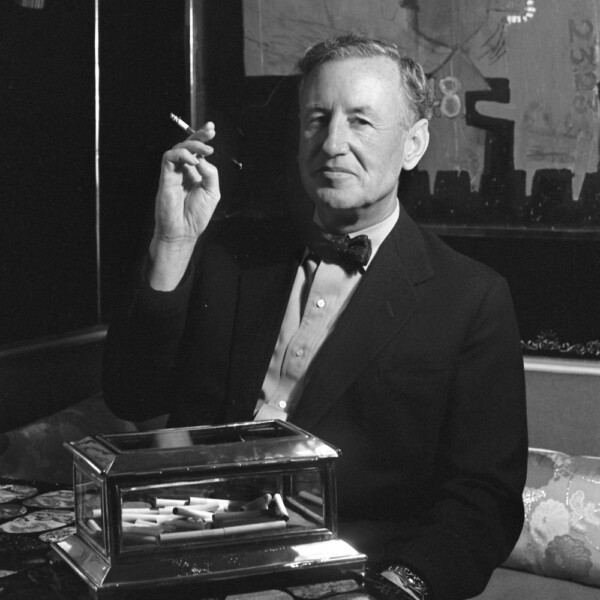
It was this background that eventually found its way into his writing. Fleming wanted to create a spy who was sophisticated, courageous, resourceful and capable of navigating dangerous situations. However, he did not simply recreate someone he had encountered during the war. Instead, he brought together different personalities, experiences and characteristics to create his fictional protagonist.
Was James Bond Inspired by a Real Person?
The short answer is yes, but not in the way one might expect. Although James Bond was not a direct portrayal of a particular intelligence officer, Fleming drew inspiration from several people he encountered during his time in Naval Intelligence. Bond was essentially a combination of different agents and military personnel, with elements of Fleming's own personality and interests also finding their way into the character.
However, the most interesting real-life connection concerns the name itself. Fleming borrowed the name James Bond from an American ornithologist who specialised in Caribbean birds. The real James Bond had written a book titled Birds of the West Indies, which Fleming owned. Being a keen birdwatcher himself, the author came across the name and decided it was perfect for his protagonist. Fleming wanted a simple, ordinary-sounding name for a character who would find himself in extraordinary circumstances. And thus, the name James Bond became associated with one of fiction's most recognisable secret agents.
Why Is He Called Agent 007?
Another defining feature of the character is his famous designation, 007. But even this detail has an interesting historical connection. During the Second World War, Fleming worked in the Admiralty, where he came across the use of the double-O prefix in certain top-secret signals. He later borrowed the idea for his fictional intelligence officer. In the Bond universe, the double-O designation identifies agents authorised to kill in the line of duty. Bond's number, 007, consequently became an essential part of his identity, eventually becoming almost as recognisable as his name.
From Books to the Big Screen
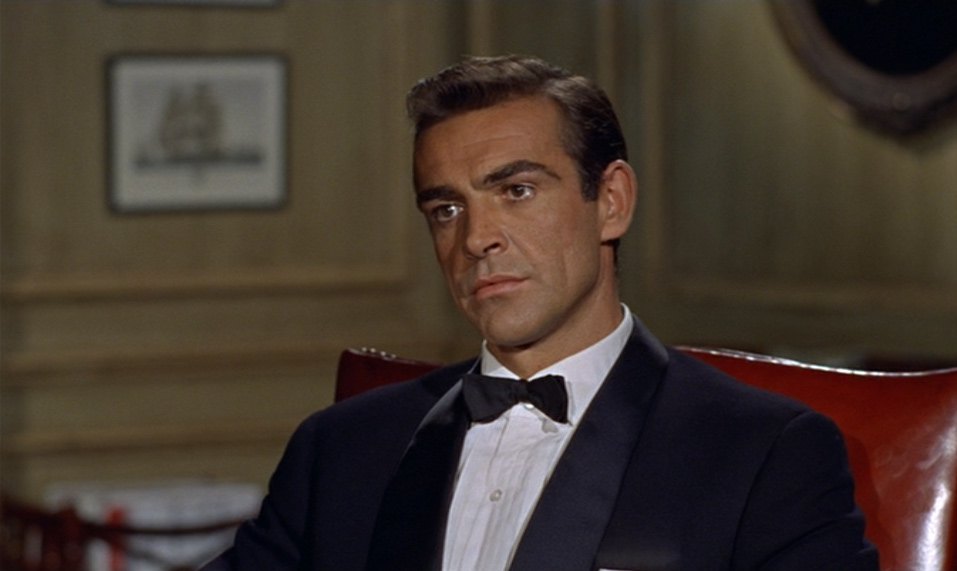
While the literary character made his debut in 1953, James Bond's cinematic journey began almost a decade later. In 1962, Dr. No, starring Sean Connery, introduced Bond to cinema audiences. The film established many of the elements that would become synonymous with the franchise: international missions, dangerous adversaries, sophisticated style, memorable gadgets and the agent's unmistakable charm. Over the years, the franchise evolved through different actors and interpretations, with each era bringing something new to the character. From Roger Moore's lighter portrayal to Daniel Craig's more emotionally complex version, Bond continued to adapt to changing audiences and filmmaking styles.
A Character That Continues to Evolve
More than seven decades after his literary debut, James Bond remains an enduring figure in popular culture. What began as Ian Fleming's fictional interpretation of the world of espionage grew into a literary and cinematic legacy.
With Robert Pattinson now taking on the role, the character is preparing for another chapter. While audiences may have different expectations of what makes a great Bond, his origins remain rooted in a fascinating combination of real-world intelligence history, literary imagination and one rather unexpected birdwatching connection. Perhaps that is what makes James Bond so interesting: the world's most famous fictional spy was never entirely detached from reality, even if his adventures were always larger than life.