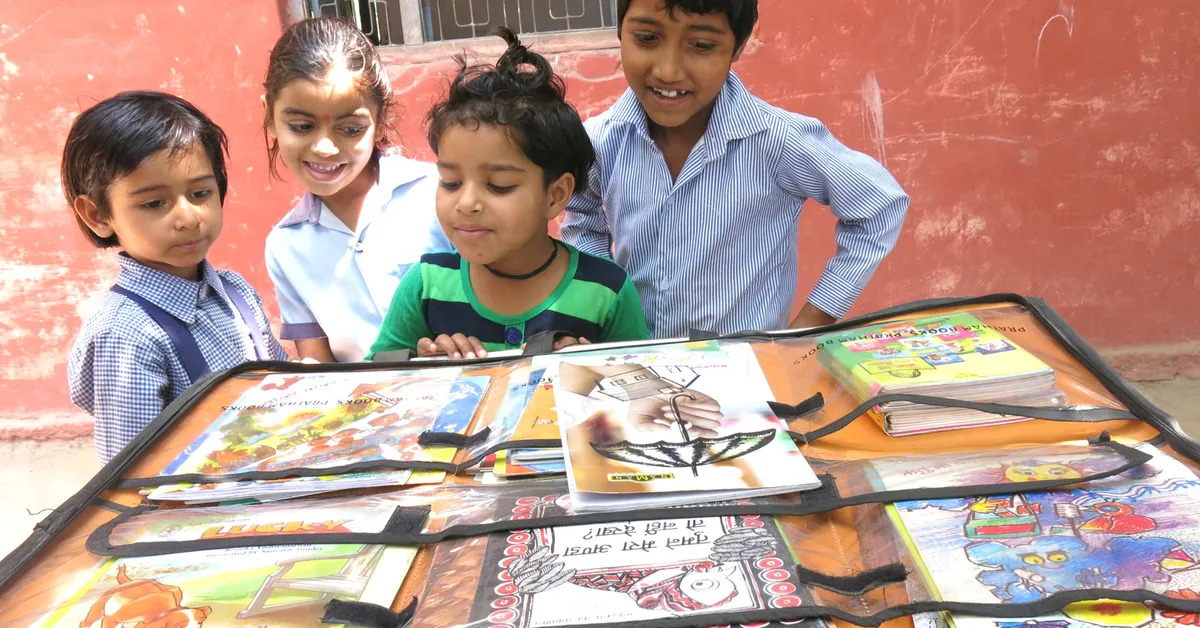
Over the past few years, the world has witnessed rapid growth in society in terms of technology and conventional ideas. Keeping progress at its core, gender equality is still far from becoming a reality. Though we have seen much involvement of women in several aspects of society, the changes are not as satisfactory as they should be. Patriarchy, misogyny and gender bias still prevail and undermine the empowerment of women.
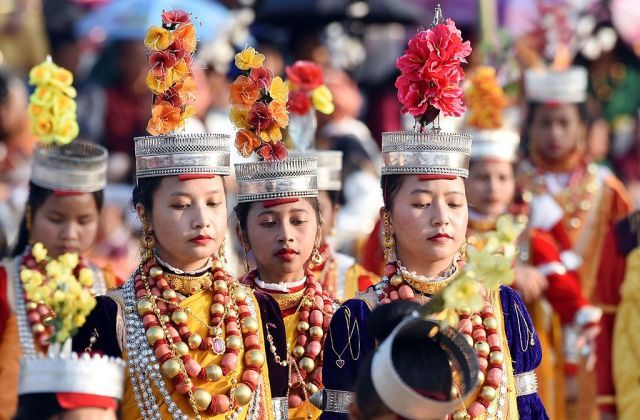
This is the life that has been led by women in a patriarchal setup: lack of opportunities for growth, confined space, limited rights and many more factors that hold women back from exploring their full potential. What if women drove to win over the world? Where is patriarchy replaced by matriarchy? Would it be the same? Fortunately, we don’t need our imagination to picture this. As unreal as it may sound, there are societies led by women.
Khasi — Meghalaya
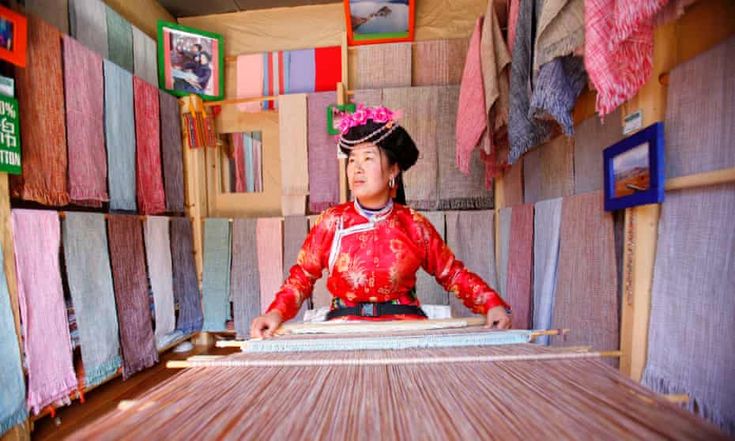
Majorly a man-driven society, India is notoriously known for its patriarchal setup and orthodox thinking. However, power dynamics change once you step into the land of Khasi in Meghalaya. Here, the property rights are transferred to women, and men live in their mother-in-law’s house after marriage. They even must change their surname. Women and maternal uncles are entitled to raise the children. Men have little responsibility and authority over household decisions, and the needs of the father are often fulfilled by his maternal uncle. This place has broken the stereotype that women are only housewives and passive family members, portraying them as leaders capable of running a tribe, not just a home.
Mosuo — China
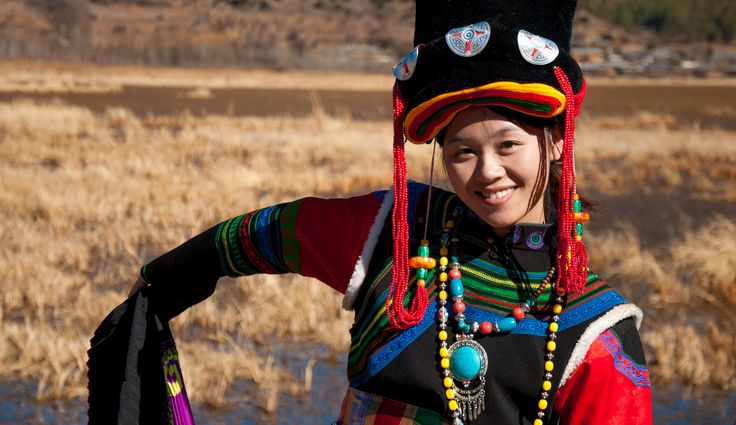
Situated in southwest China, Mosuo is a community of about 40,000 people, where the majority of businesses and important roles are held by women, while men are often employed in animal husbandry. The concept of marriage doesn’t bind two people for life; instead, they follow “walking marriage", where women choose a man by spending the night at his house. This shows that a physical relationship does not confer power to rule. Property and lineage are passed down through the female line, and child responsibilities are also handled by women. This setup has existed for centuries and has become a tourist destination for people around the world.
Minangkabau, Indonesia
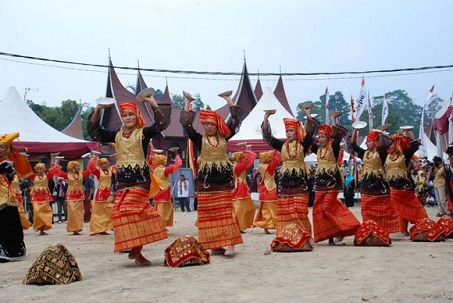
Minangkabau is home to about 4.2 million people, where equality prevails in a true sense. Unlike other matriarchal towns and cities, this place offers responsibility and rights to both genders. Women hold rights over land and property, which are passed down to the female line. Men play key roles in the political and religious spheres. However, these roles are not strictly limited to men; women can also join political and religious institutions and have the power to remove others from positions.
Umoja, Kenya
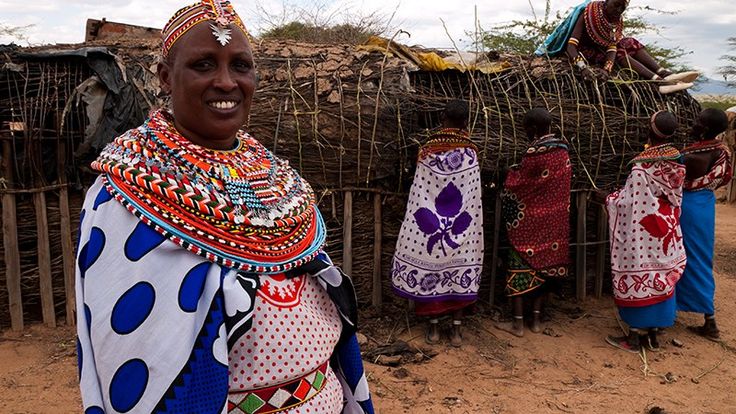
Located in the Samburu region of Kenya, Umoja is a village that stands as a powerful symbol of female solidarity and independence. Founded in 1990 by women who had survived abuse and oppression, Umoja is an all-women village where men are not allowed to live. The community was created as a safe space for women escaping forced marriages, domestic violence and harmful traditional practices. Women collectively run the village and manage its economy through beadwork, handicrafts and tourism. They raise their children together and ensure education and safety within the community. Umoja challenges the patriarchal traditions around it and shows that women can build a self-sustaining society based on cooperation, resilience and mutual support.
Bribri, Costa Rica
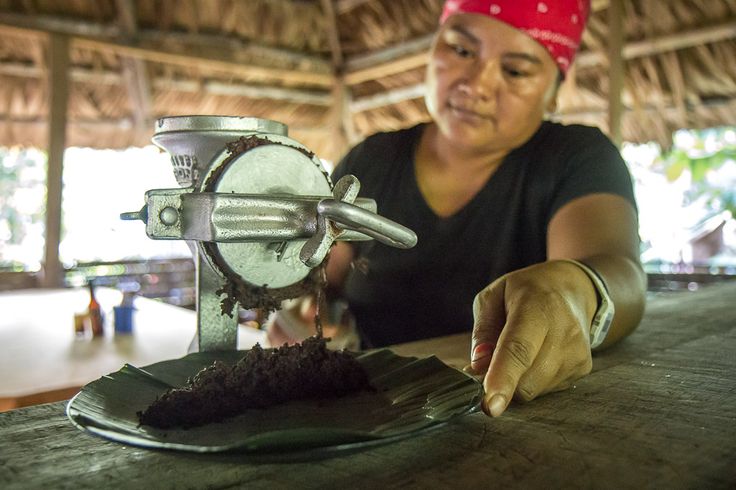
Deep in the forests of Costa Rica lives the indigenous Bribri community, where lineage and inheritance are traced through women. In this society, property, clan identity and cultural heritage are passed down the female line, placing women at the centre of the community’s social structure. They also hold an important spiritual role in Bribri culture: only women are allowed to prepare the sacred cacao drink used in religious ceremonies, highlighting their cultural authority. While men contribute to leadership and community responsibilities, women remain the custodians of lineage, tradition and heritage. This system reflects a unique balance in which women preserve identity and continuity within the tribe.
Takeaway
All these towns driven by women contrast with patriarchal, men-driven societies. Instead of suppressing and depriving the other gender of basic rights, they embrace equality and promote cooperation, creating shared spaces where each person understands and respects the others’ opinions and aspirations. They present an image of a world where women don’t just rule but manage society by giving everyone an equal opportunity to prosper.
Image Credits: Pinterest