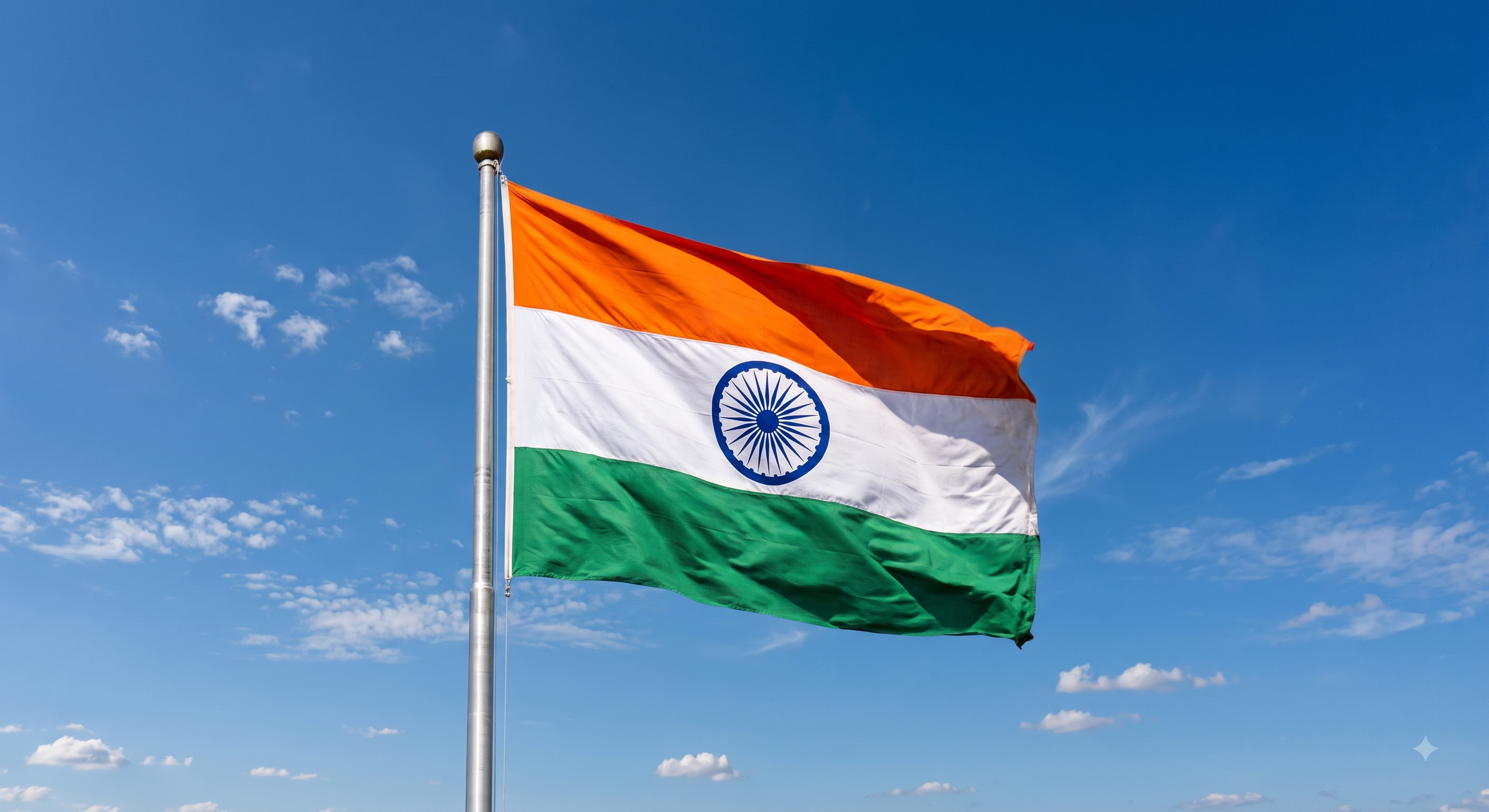
Independence Day is a significant event for Indians worldwide, celebrating freedom and reminiscing about the contributions and sacrifices of the freedom fighters who built a country where culture, heritage, liberty, and secularism flourished. The pivotal moment that fills every Indian with pride is seeing the tricolour flag hoisted over the Lal Qila. It symbolises the nation's unity, embodying courage, peace, and prosperity through its tricolour, along with the navy blue Ashok Chakra embedded in the centre of the white portion, which represents the continuous movement of law, righteousness, and justice.
Though we Indians hold our tricolour flag in utmost respect, the hands that created it were left unrecognised. Since creating the Indian flag is a matter of national honour, only one institute has been given permission to produce it — the same flag that flutters over the Red Fort, government buildings, embassies, and schools. Honouring the hands of the national flag's creators, this article brings the untold story of the women who have dedicated their lives to creating it with precision and patriotism.
KKGSS, Bengeri, Hubballi, Karnataka
The inception of the Karnataka Khadi Gramodyog Samyukta Sangha (KKGSS) goes back to 1957, when freedom fighter Venkatesh Magadi started a revolution to promote khadi along with a group of patriots. That quiet revolution in handspun cloth gradually grew into a unit that now holds the mandate of manufacturing the national flag — certified by the Bureau of Indian Standards as the only authorised flag-making institution in India. Today, around 1,200 workers keep that mandate running; the overwhelming majority are women, spread across spinning, weaving, dyeing and the all-women stitching unit where the tricolour finally takes shape. One production cycle, from raw cotton to a finished, certified flag, takes about fifteen days — and it never really stops.
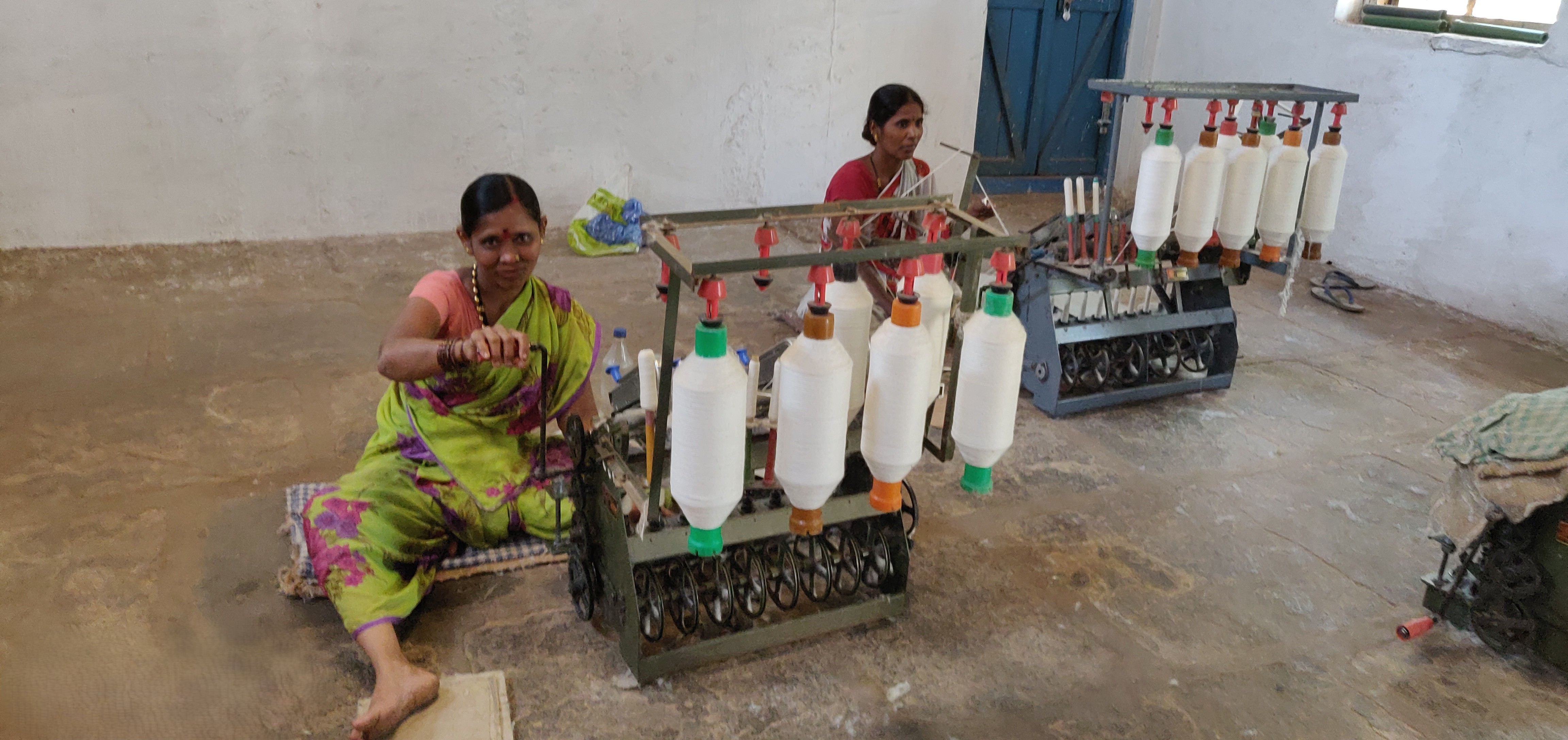
For the workers whose daily ritual begins with the rhythm of sewing machines and the weaving of tricolour khadi, their dedication toward manufacturing the flag is fuelled by patriotic feeling rather than materialistic incentives, as the wages barely cover their household expenses. But for them, the feeling of pride while watching their flag flutter in the sky means much more than anything else. As Annapoorna Kote, supervisor at the KKGSS flag unit, told Swarajya Magazine, "We may never leave this town, but our Tricolour is fluttering high around the world." Her eyes, the interviewer noted, glistened as she said it — not a rehearsed line for a reporter, but something closer to a private vow said out loud.
How the Flag Is Created
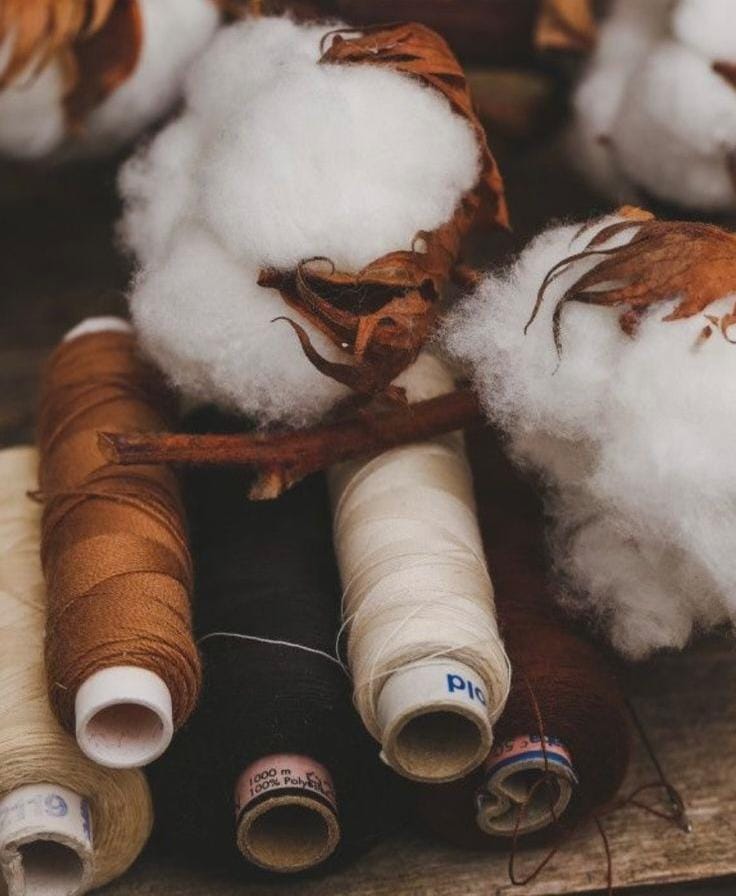
The process of creating the national flag mandates the specific use of materials — silk, cotton and wool. These are procured from natural farming or cooperative networks and spun using the charkha. Thereafter, the cloth is dyed in the three separate colours of the flag and woven together by the workers. All of this requires strict conformity with the given rules and regulations. Synthetics and polyester are forbidden from being involved in this manufacturing process, and violations are subject to legal charges under the Flag Code of India. The navy blue Ashoka Chakra—with its 24 spokes—is carefully printed at the centre of the white band with precision tools, after which each flag is measured, stitched and certified before leaving the unit.
That last point matters more today than it once did. In 2021, the Flag Code of India was amended to permit machine-made polyester flags, and the effect on Bengeri was immediate — demand for the khadi tricolour has since dropped sharply, in some years by half. "The government allowing the manufacture of polyester and synthetic flags has resulted in decreased demand for flags made of khadi," Annapoorna Doddamani, a staff member at the unit, told reporters, describing a workshop that used to sell out and now sits on unsold stock. The women's hands haven't changed; what they're competing against has. For a workforce already stitching for pride more than pay, it's one more reason their labour deserves to be seen.
The Unbroken Thread
The Swadeshi Movement of 1905 called on Indians to reject British machine-made fabric and revive their own looms – women in weaver families spinning yarn on charkhas so their husbands could weave the cloth that became the symbol of resistance. Today, 121 years later, the women are still spinning, still stitching, still weaving. The flag that rises above the Red Fort every Independence Day has passed through their hands. It has been measured by them, cut by them, stitched and certified by them — and yet their names have never appeared on any stage, any broadcast, or any headline on the day their work is celebrated by an entire nation.
This Independence Day, when the tricolour catches the morning wind above the Lal Kila, somewhere in a workshop in Bengeri, Karnataka, a supervisor named Annapoorna Kote — and hundreds of women beside her, whose names will never make it into a headline — will know without needing to be told that they put it there.