

Transgender is the quiet understanding of who you are, even when it does not match what the world decided for you at birth. It is personal, real, and deeply felt. For years, this understanding found a place in legal recognition, acknowledging the right of individuals to define their own identity. However, recent developments suggest a shift from recognition to regulation.
Understanding the Trans Bill, 2026
The Transgender Persons (Protection of Rights) Amendment Bill, 2026, was introduced as an update to the existing 2019 law, with the aim of redefining how transgender identity is recognised within legal frameworks. While the earlier law itself faced criticism, it was built on the principle of self-identification, a right affirmed by the Supreme Court in the NALSA judgement (2014).
The new bill, however, introduces a more structured approach, requiring individuals to undergo verification through a medical board, followed by official certification issued by a district magistrate.
Identity and the Question of Autonomy
This marks a significant departure from the earlier framework. Where identity was once considered a matter of personal understanding, it now becomes subject to institutional approval. The shift from self-identification to medical verification changes not only the process but also the meaning of recognition—turning a personal truth into something that must be validated externally.

Identity, in this sense, is no longer something one simply knows but something that must be proven. As a result, what was once a right begins to resemble a permission, raising concerns about autonomy and dignity, and questioning whether such regulation truly protects or unintentionally restricts the very community it aims to support.
Lived Realities and Everyday Impact
Beyond policy and structure lies the reality of lived experience. For many transgender individuals, the journey of self-acceptance is already shaped by social stigma and exclusion. Adding layers of verification makes this process more difficult and, for some, inaccessible. Not everyone has equal access to medical systems or bureaucratic procedures, which may unintentionally leave many without recognition.
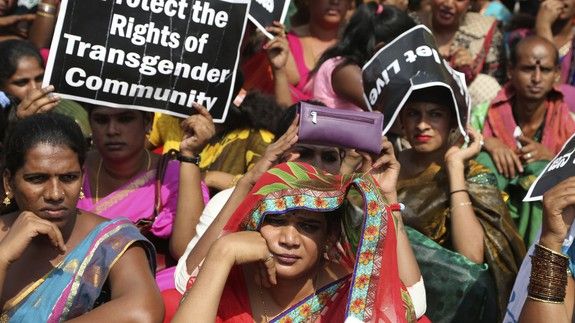
Moreover, the narrowing of definitions within the bill raises concerns about who will be officially recognised and who may be left out—particularly those whose identities do not fit within stricter institutional categories but were earlier acknowledged under broader understandings.
Beyond Regulation
The Trans Bill of 2026 raises important questions about the balance between regulation and rights. While it may aim to bring structure, its impact must be understood in terms of autonomy and lived reality. Laws that seek to protect must ensure not to limit the very identities which are to be recognised.
Because identity is not something to be granted—it is something to be acknowledged.