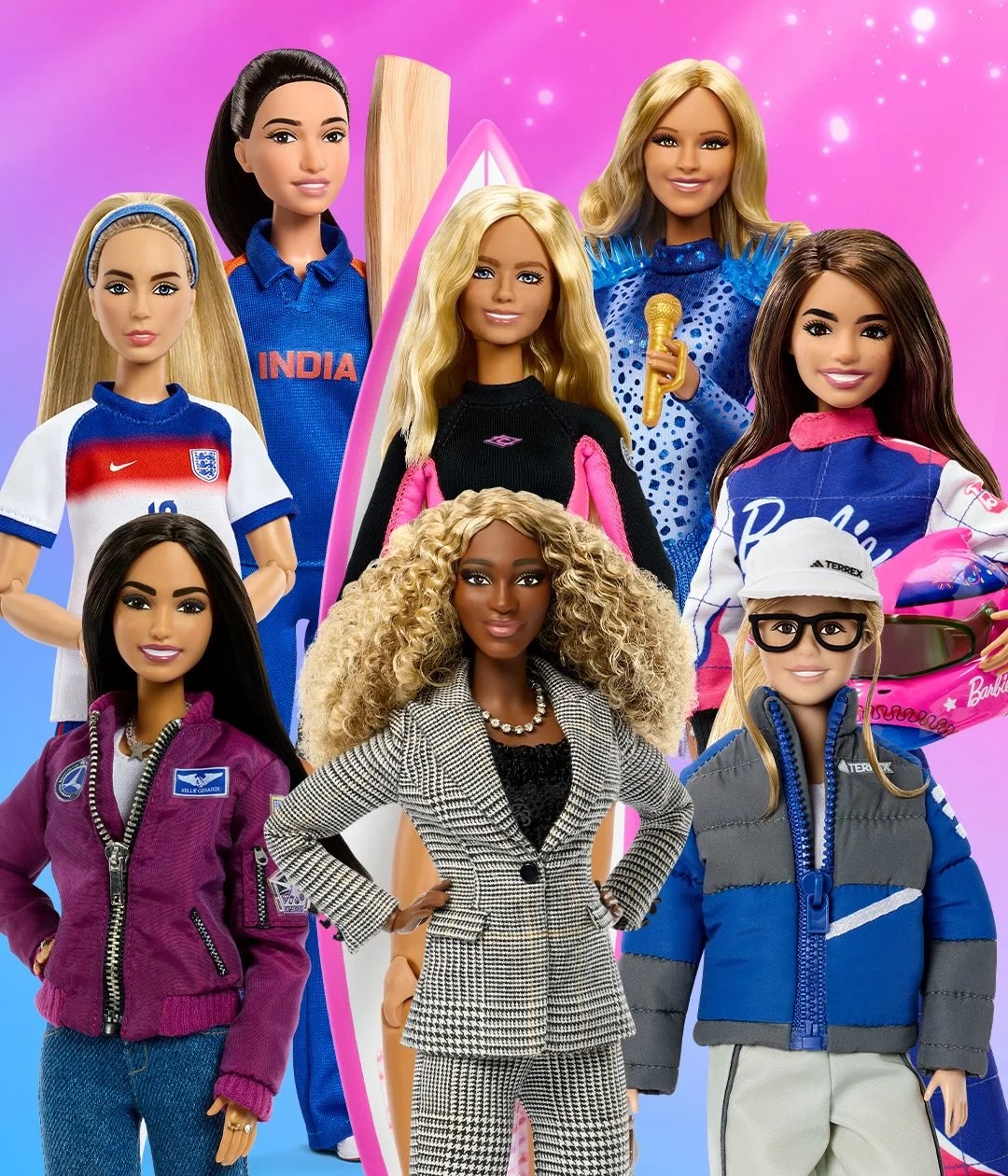
Mattel announced on March 5 that Barbie is marking International Women’s Day with its first-ever Barbie Dream Team — a celebration that turns eight trailblazing women into one-of-a-kind dolls made in their likeness. The idea is simple and powerful: when girls see women who broke barriers and followed their passions, their own ideas of what’s possible get bigger. This year’s Dream Team spans sport, science, music and extreme adventure — a reminder that dreaming without limits looks different for everyone, and every path matters.
Why did Barbie create a dream team of role-model dolls?
Barbie launched the Dream Team of role model dolls primarily to inspire young girls by showing them what is possible through real-world female representation. Mattel announced the initiative as part of a month-long celebration marking International Women's Day, honouring women who led the way in their industries with one-of-a-kind dolls made in their likeness. The initiative aims to inspire girls by showcasing diverse female role models in fields where women have historically been under-represented. The collection features eight women from around the globe, including Serena Williams, astronaut Kellie Gerardi, race car driver Regina Sirvent Alvarado, soccer star Chloe Kelly, and Indian cricket player Smriti Mandhana. The underlying belief is that when girls can see successful women, they dare to dream bigger for themselves.
8 women whose service in their field earned them dolls made in their likeness
Smriti Mandhana
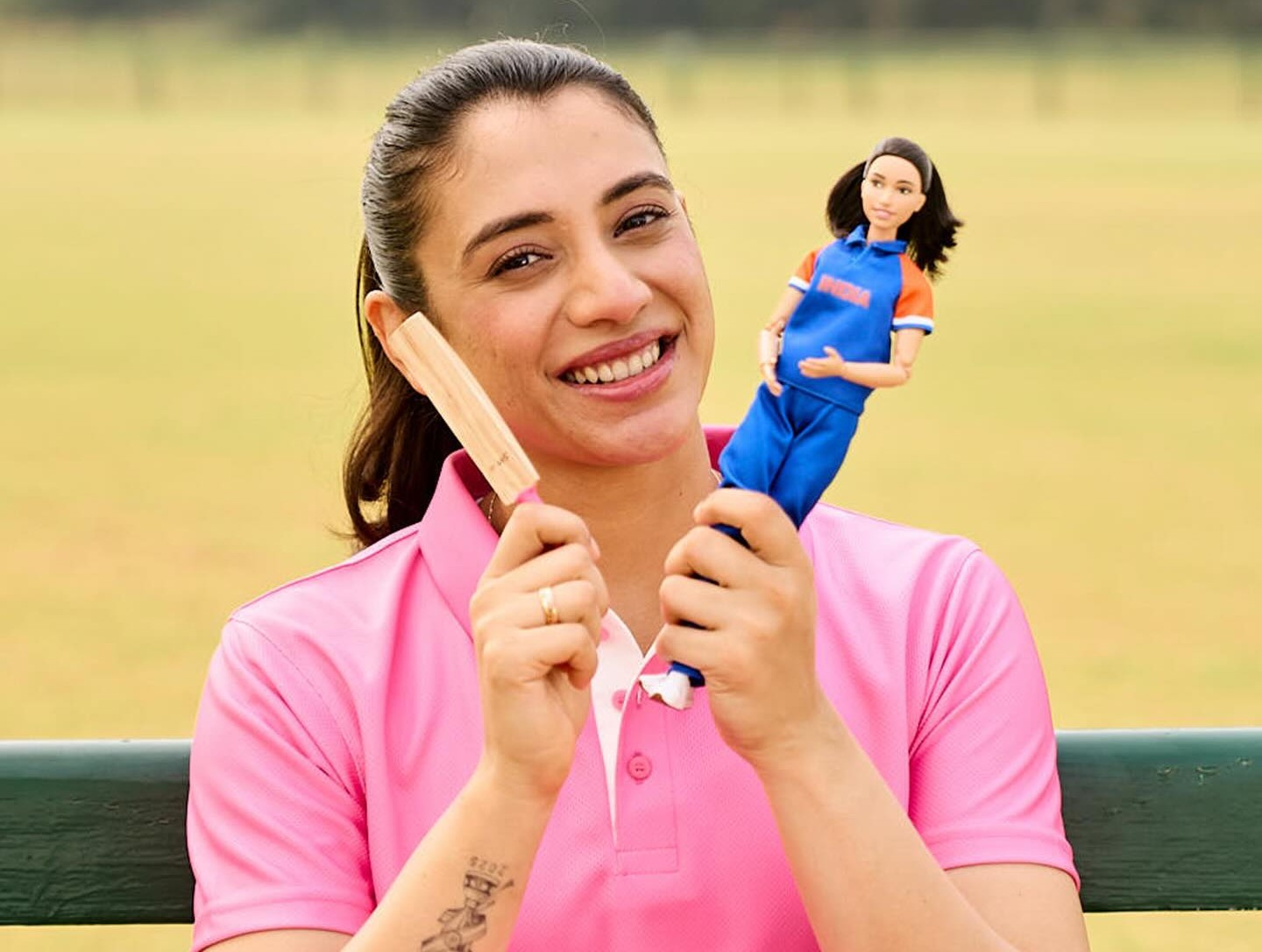
Smriti Mandhana has become the first cricketer in the world to be honoured with a one-of-a-kind Barbie as part of the Dream Team. A left-handed batter whose strokeplay and consistency have raised the profile of women’s cricket, she’s also been a leader on and off the field — captaining sides to titles and inspiring countless young girls in India to pick up a bat. The doll created in her likeness is a tribute to that journey: not a retail toy but a symbol — a message that sport doesn’t belong to one gender; it belongs to anyone who works for it.
Serena Williams
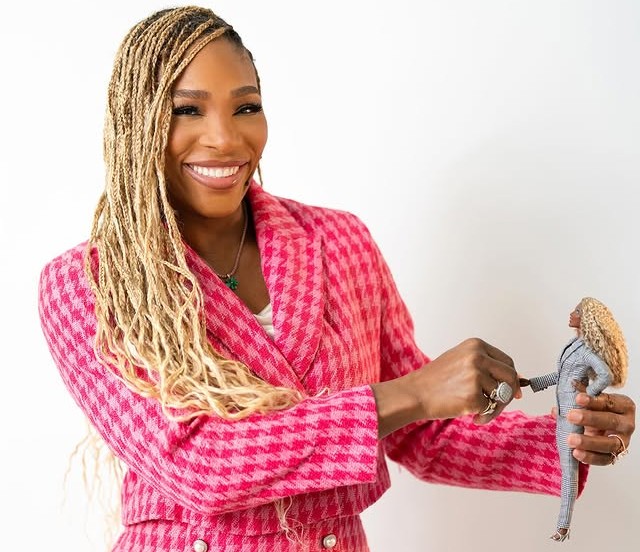
Serena Williams needs little introduction: a tennis icon whose 23 major singles titles and years at world No. 1 rewrote the record books. Beyond trophies, Serena’s influence stretches into entrepreneurship, activism and cultural leadership. Honouring her in the Dream Team underlines how sporting greatness can be paired with business savvy and social impact — and how role models can show girls that success can wear many hats.
Kellie Gerardi
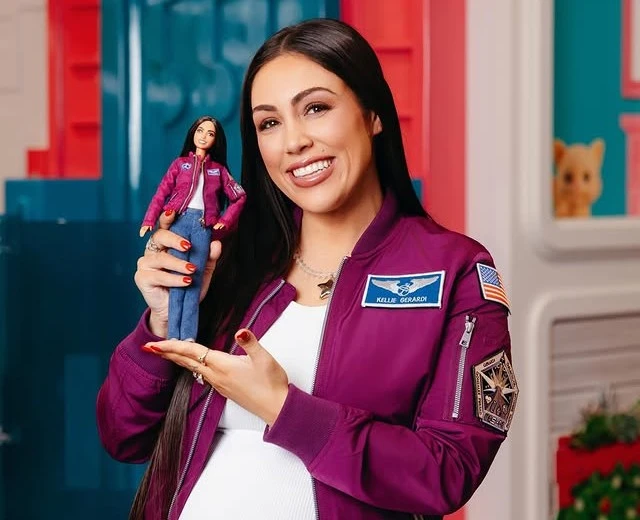
Kellie Gerardi’s Barbie is a nod to scientific curiosity and the expanding door to space careers for girls. A research astronaut and payload specialist, Gerardi has helped make science visible and exciting—and working with Barbie gave her a “full circle” moment: the doll mirrors her flight jacket patches and signature details, celebrating the idea that science and space exploration are for everyone.
Regina Sirvent Alvarado
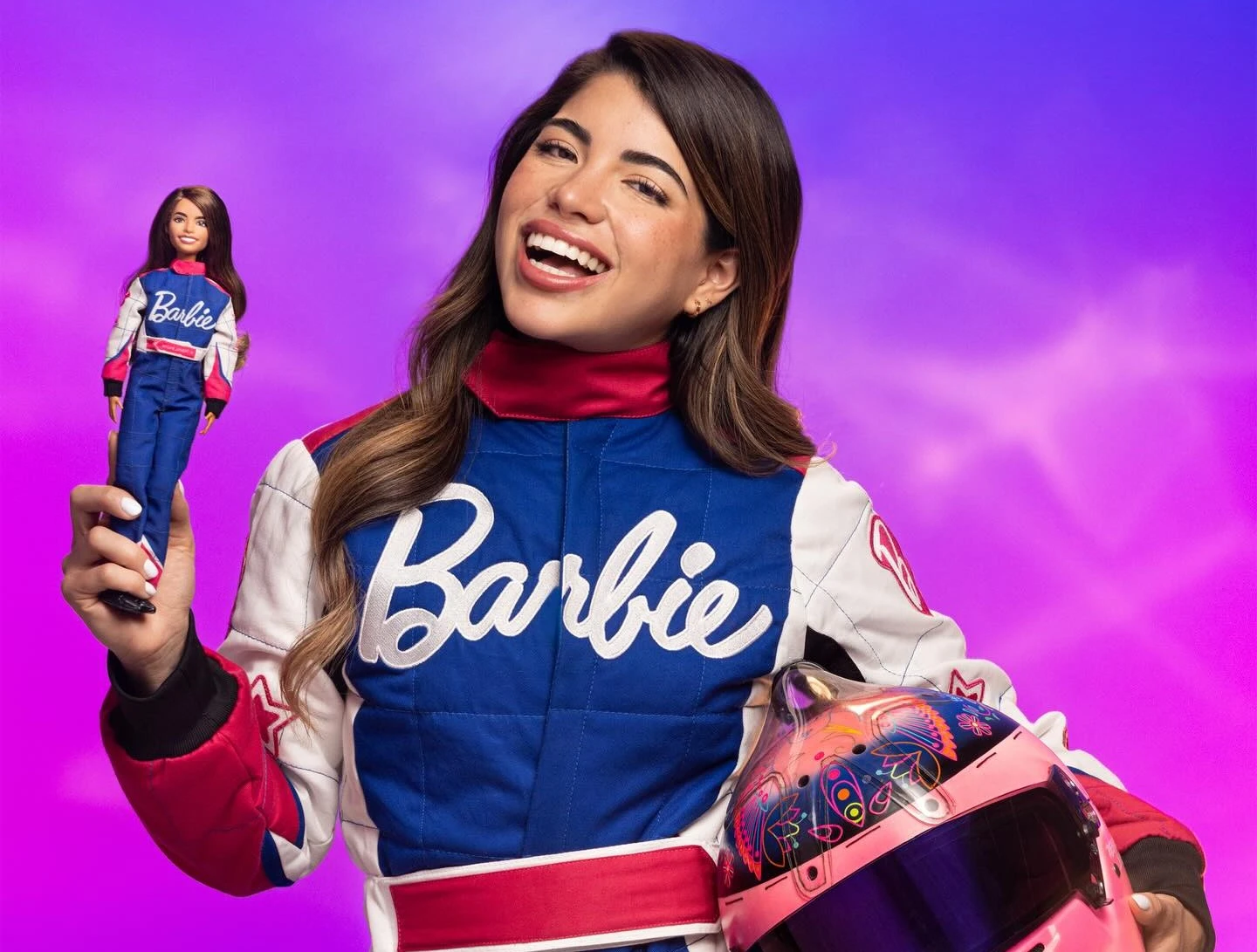
Regina Sirvent Alvarado brings motorsport into the Dream Team spotlight. As one of Mexico’s prominent race car drivers, her inclusion celebrates courage in a male-dominated arena and highlights that speed, grit and technical skill are not limited by gender.
Chloe Kelly
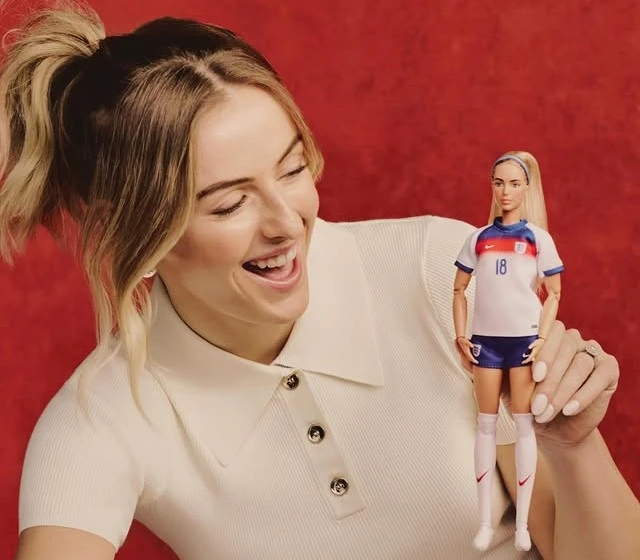
Chloe Kelly — a defining face of modern women’s football in England showcased as an example of athletic determination and the power of sport to galvanise communities and change cultural expectations about women in athletics.
Stephanie Gilmore
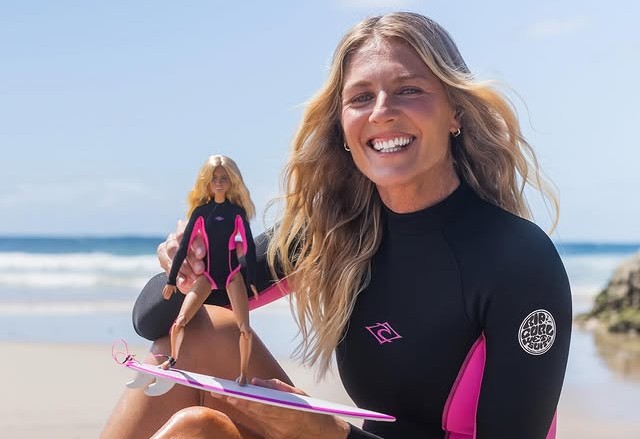
Stephanie Gilmore, an eight-time World Surf League champion, is celebrated for excellence in surfing and for showing that endurance sports and ocean stewardship are exciting career pathways for girls. Her inclusion underscores how adventure sports can be both aspirational and accessible.
Helene Fischer
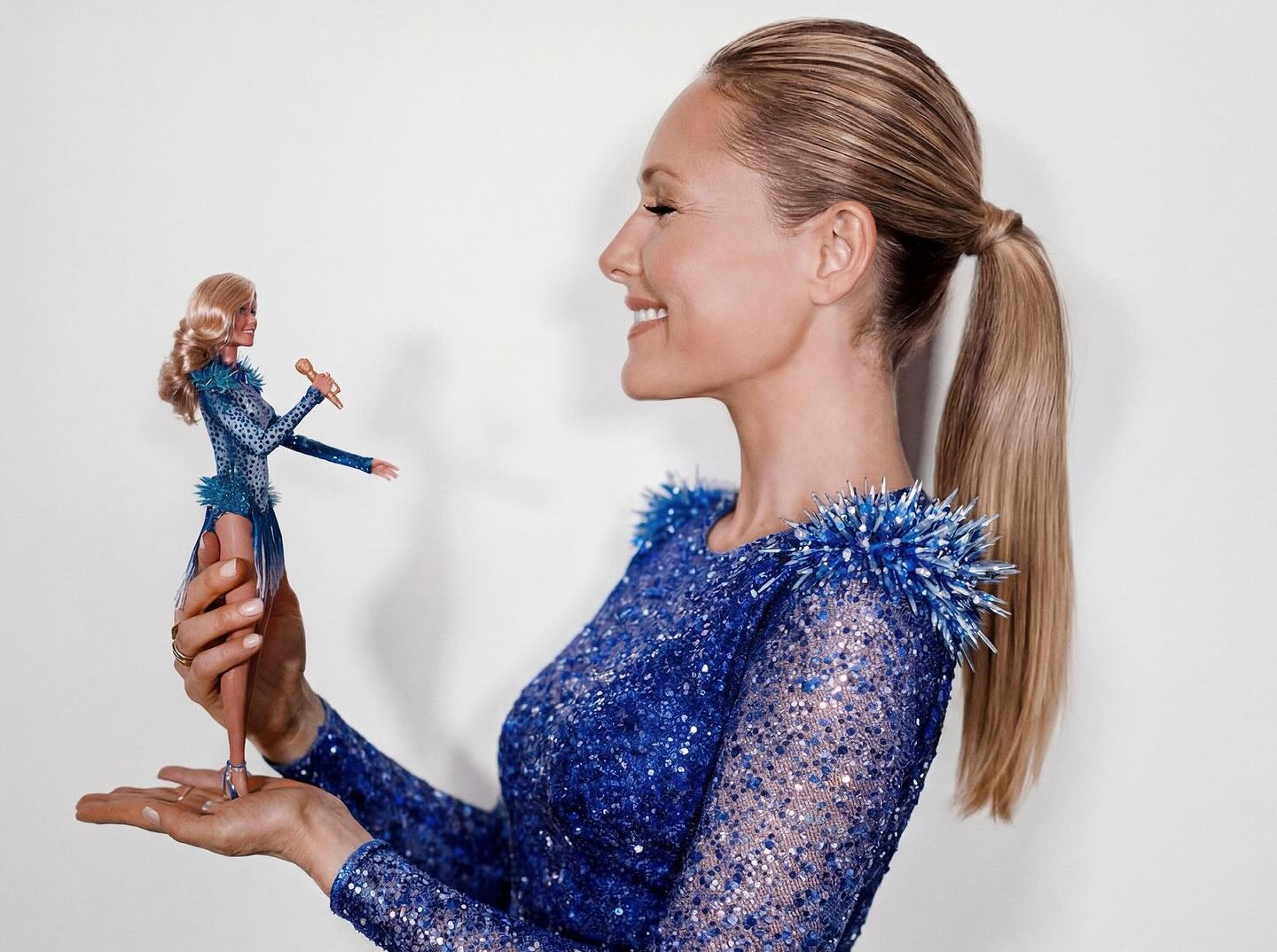
Helene Fischer adds representation from the arts and music: one of Germany’s most influential contemporary performers, her presence on the Dream Team speaks to creative leadership, cultural influence and the idea that artistic careers are equally worthy of celebration.
Zoja Skubis
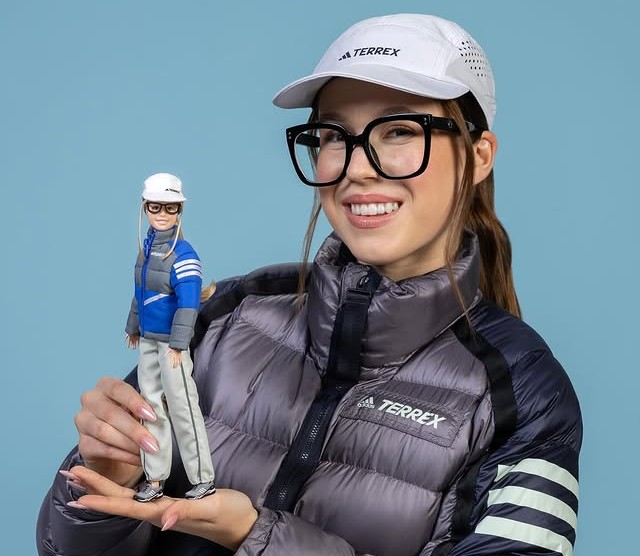
Zoja Skubis, an expedition climber known for becoming the youngest Polish woman to summit peaks like Mount Everest and Manaslu, represents extreme adventure and the physical and mental courage it takes to reach the world’s highest summits — another vivid reminder that ambition can take you anywhere, even to the roof of the planet.
Why this matters
Barbie’s Dream Team is less about merchandising and more about messaging: by creating dolls in the likeness of real, contemporary women who are pioneers in their fields, Mattel is using a globally recognised toy to broaden the mental map of what girls imagine for themselves. For young fans, a Barbie in the uniform of an astronaut, the kit of a footballer, the helmet of a race driver, or the climbing gear of an expeditioner signals that these careers — these adventures — are visible, possible and worthy of play and aspiration.
Final thought
Whether it’s through sport, science, music or extreme exploration, the Dream Team shows that role models come in many forms. By immortalising these women in doll form, Barbie isn’t shrinking anyone to a stereotype — it’s expanding the stage on which girls can imagine themselves. In that sense, the Dream Team is exactly what the brand promises to be: a collection of stories that invite the next generation to dream out loud and without limits.
Image Credits: Instagram/@Barbie