
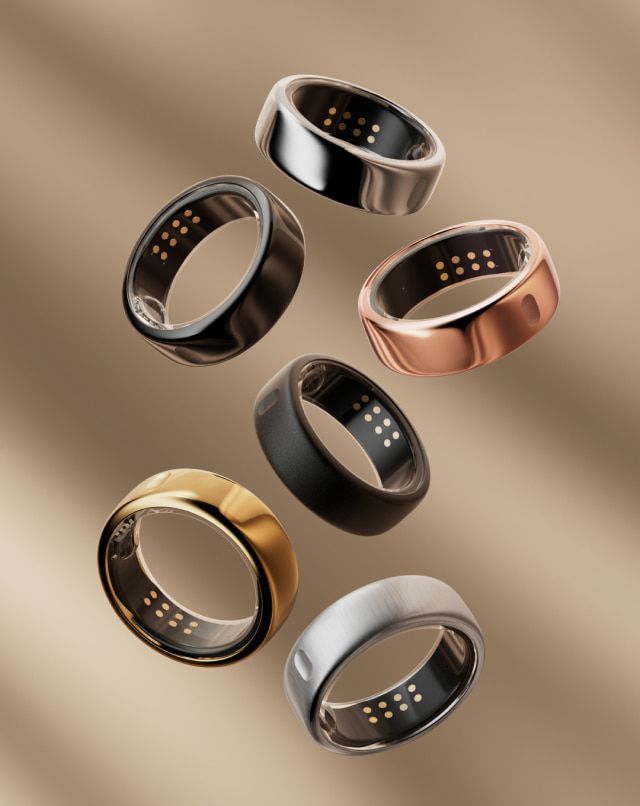
For years, the smartwatch was the obvious choice if you wanted to track your health from your body. Now a smaller, quieter rival has entered the picture. Smart rings have moved from a niche gadget to a serious contender, and more people are choosing them over a watch, or wearing both.
Small Device, Big Shift
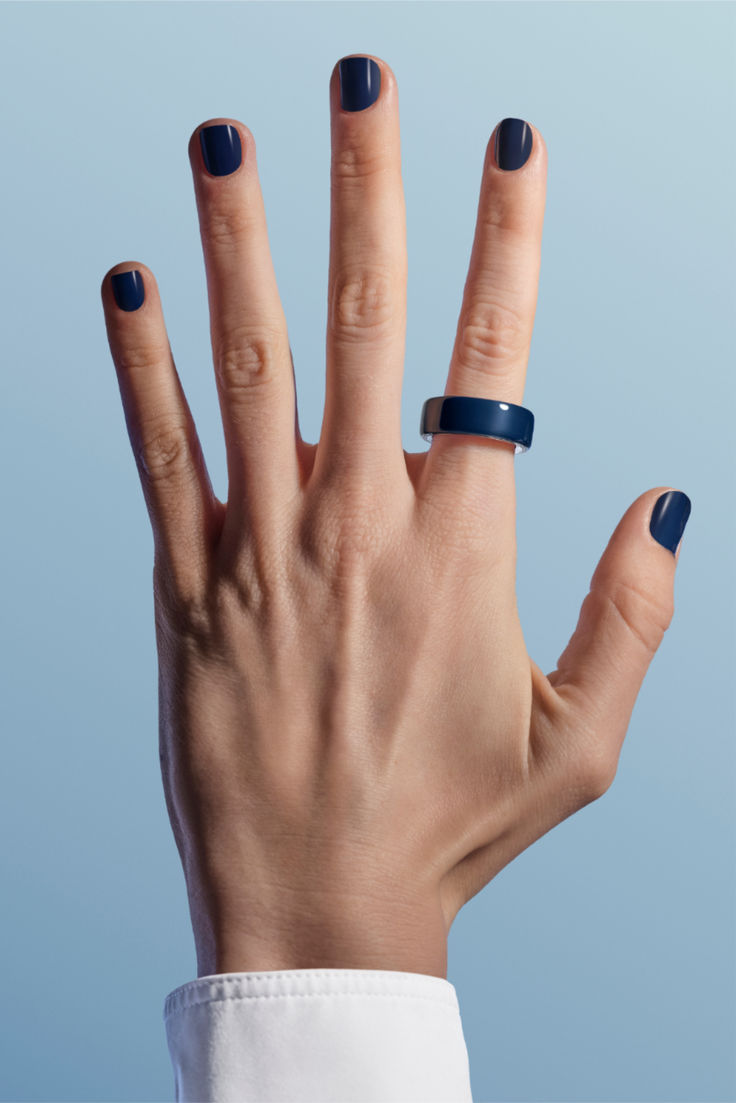
Brands like Oura, Samsung’s Galaxy Ring, RingConn and Ultrahuman have turned smart rings into one of the fastest growing categories in wearable tech. Unlike a smartwatch, a ring has no screen and sends no alerts. It simply sits on your finger, gathers data through the night and day, and lets you check it later on your phone. That quiet approach is exactly what is drawing people in.
Why Sleep Changed the Conversation
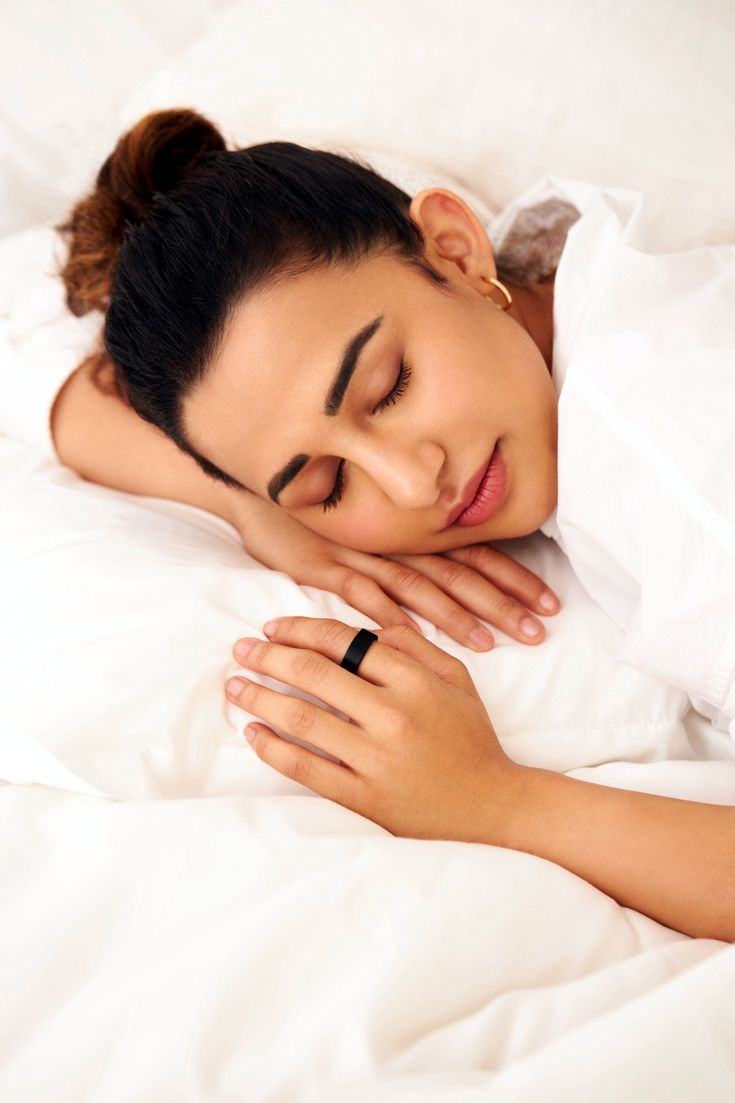
A watch on your wrist can feel bulky after a while, especially in bed. A ring barely registers once you get used to it, which means people actually keep wearing it through the night instead of taking it off. Since fingers have thinner skin and sit closer to blood vessels than wrists do, rings also tend to pick up a steadier heart rate reading while you rest or sleep. Add battery life that stretches to several days instead of one, and it is easy to see why sleep and recovery tracking has become the ring’s strongest case.
Where Watches Still Win
None of this means the smartwatch is going anywhere. If you run or cycle, you still need a screen to check your pace, and built in GPS that does not depend on carrying your phone. Smartwatches also handle notifications, apps and contactless payments, things a ring simply cannot do without a display. For anyone who wants their wearable to double as a communication device, the watch still makes more sense.
A Growing Middle Ground
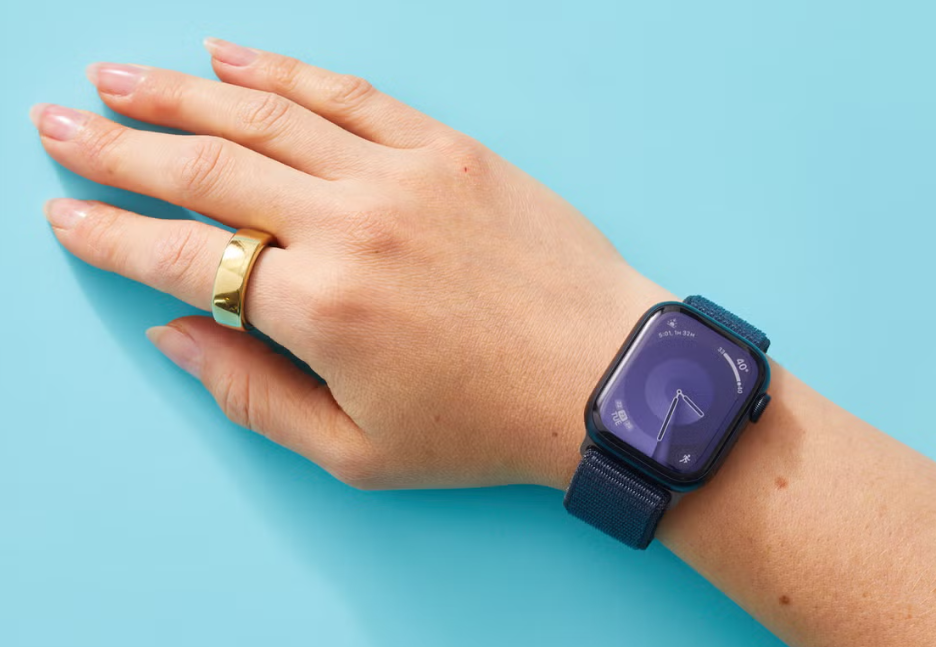
Interestingly, quite a few athletes and sports teams have started using rings alongside their usual training gear, mainly to track recovery and sleep without adding bulk during the day. This points to where the whole category may be headed, not one device replacing the other, but people wearing a ring for rest and a watch for activity, each doing the part it does best.
The real shift is in how we think about wearable tech. It used to be about having one device that does everything. Now it is about choosing the right tool for the right hour of the day, and the smart ring has earned its place in that routine.