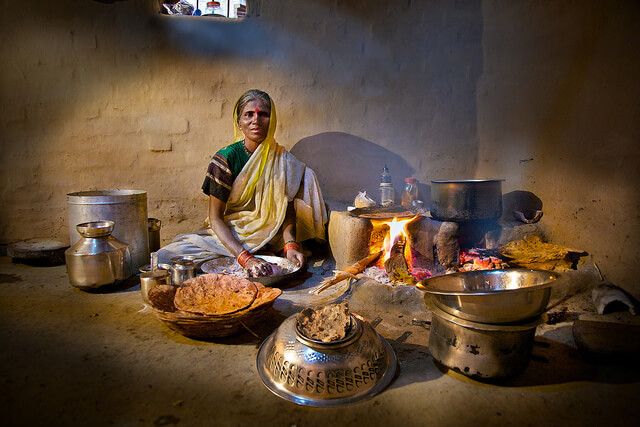
April 18th every year is observed as the International Day for Monuments and Sites, also known as World Heritage Day in many countries. The day aims to review the importance of protecting and preserving heritage for future generations. India, with its rich cultural and historical legacy, is home to 44 UNESCO World Heritage Sites at present. Here are 10 of the most iconic monuments and sites that define India’s place on the global heritage map.
1. Taj Mahal, Agra
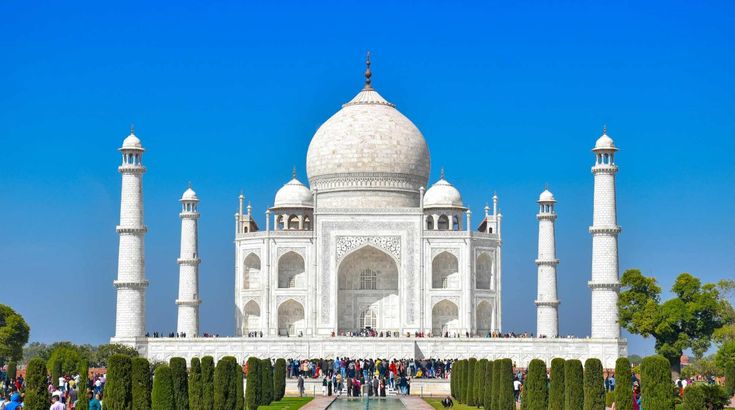
Holding a strong position as one of the seven wonders of the world, the Taj Mahal is synonymous with India. Built by Mughal Emperor Shah Jahan between 1631 and 1648 as a mausoleum for his beloved wife Mumtaz. This ivory-white marble masterpiece is the pinnacle of Mughal architecture, blending Persian, Ottoman, and Indian styles. Pronounced as a symbol of love, this monument reminds everyone of the profound beauty of love that can be a source of this beautiful creation. It is situated in Agra, Uttar Pradesh, and UNESCO recognises it as "the jewel of Muslim art in India and one of the universally admired masterpieces of the world's heritage".
Location: Agra, Uttar Pradesh
Outstanding Universal Value: Architecture & Romance
2. Ajanta Caves, Maharashtra
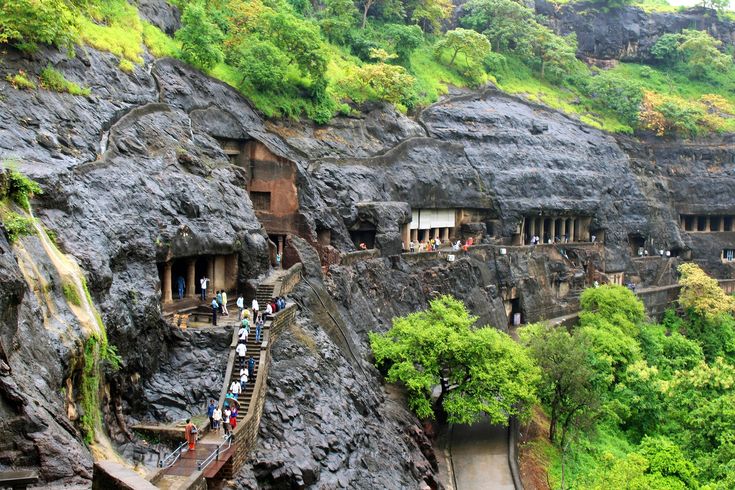
Carved in a horseshoe-shaped gorge in the Sahyadri Hills, the Ajanta Caves are 30 rock-cut Buddhist caves dating back from the 2nd century BCE to 480 CE. The caves preserve extraordinary paintings and sculptures depicting the Jataka tales and the life of the Buddha. Art historians regard these as the finest surviving examples of ancient Indian art.
Location: Aurangabad, Maharashtra.
Outstanding Universal Value: Rock-cut Art
3. Ellora Caves, Maharashtra
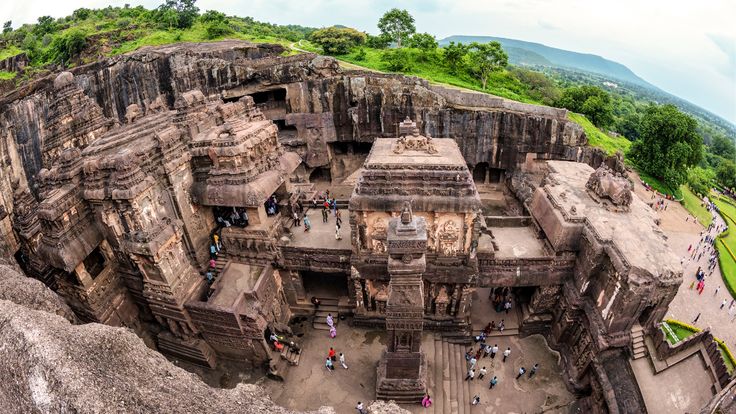
The Ellora Caves represent a unique coexistence of three great religions — Buddhism, Hinduism, and Jainism. Through 34 monasteries and temples carved between the 5th and 11th centuries CE, these highlight the Kailasa Temple (Cave 16), a monolithic structure carved top-to-bottom from a single basaltic cliff. It is considered one of the greatest architectural achievements of the ancient world.
Location: Aurangabad, Maharashtra,
Outstanding Universal Value: Religious Syncretism
4. Agra Fort, Uttar Pradesh
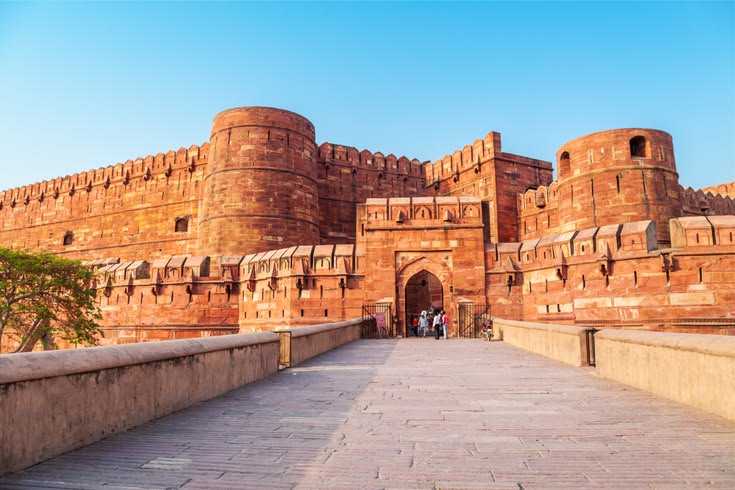
A short distance from the Taj Mahal, Agra Fort is a UNESCO-inscribed fortified city that served as the main residence of the Mughal emperors until 1638. Its imposing red sandstone walls enclose palaces, audience halls, mosques, and gardens that collectively narrate four centuries of Mughal power and refinement. Emperor Akbar began its construction in 1565 to 1573.
Location: Agra, Uttar Pradesh,
Outstanding Universal Value: Mughal Fortification
5. Khajuraho Group of Monuments
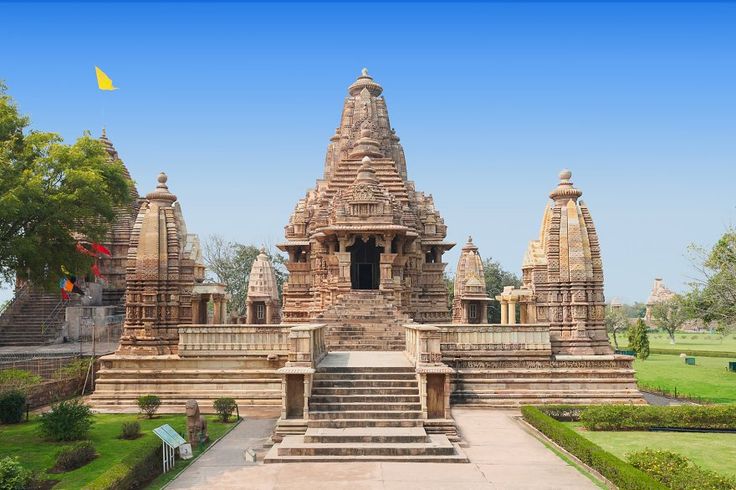
Built by the Chandela dynasty between 950 and 1050 CE, the Khajuraho temples are celebrated for their exquisite Nagara-style architecture and their famous erotic sculptures. Of the original 85 temples, 22 survive across three groups. Far from being solely erotic, the sculptures depict the full spectrum of human experience – celestial beings, warriors, and scenes of daily mediaeval life.
Location: Madhya Pradesh
Outstanding Universal Value: Temple Architecture
6. Hampi (Vijayanagara), Karnataka
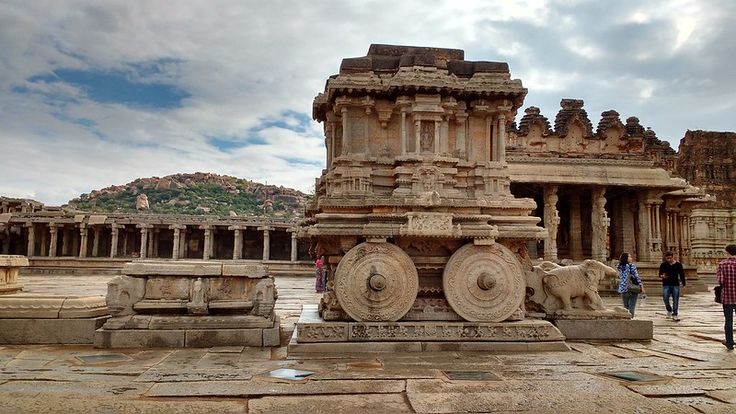
The ruins of Hampi represent the last great Hindu kingdom of the Vijayanagara Empire, which was once noted to be one of the wealthiest cities of the world. Spread across a surreal boulder-strewn landscape, the site features over 1,600 monuments, including the magnificent Virupaksha Temple, the Vittala Temple with its stone chariot, and royal enclosures that still evoke medieval grandeur.
Location: Karnataka
Outstanding Universal Value: Hindu Empire Ruins
7. Sun Temple, Konark
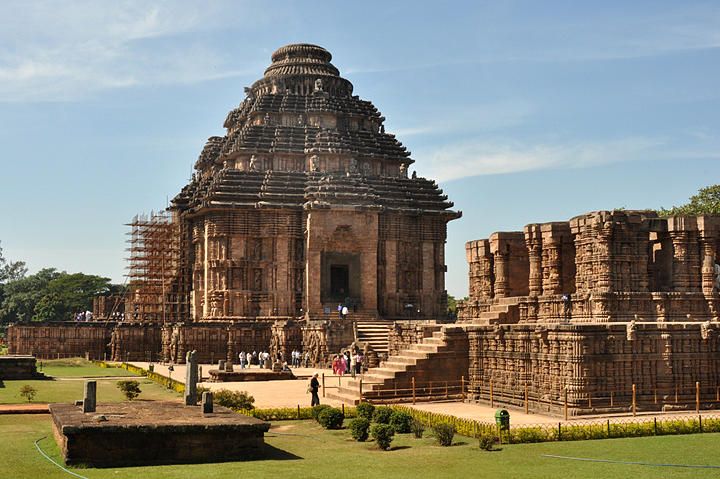
Built in the 13th century by King Narasimhadeva I of the Eastern Ganga dynasty, the Konark Sun Temple is an architectural marvel conceived as a colossal chariot of the sun god Surya, with 24 intricately carved stone wheels and seven horses. Its Kalinga architecture and profuse sculptural ornamentation make it one of the finest surviving examples of medieval Indian temple design.
Location: Odisha
Outstanding Universal Value: Kalinga Architecture
8. Fatehpur Sikri, Uttar Pradesh
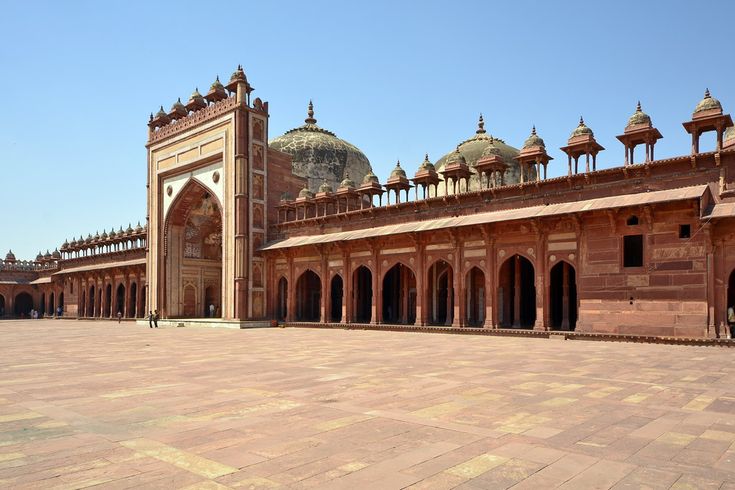
Founded in the second half of the 16th century by Emperor Akbar, Fatehpur Sikri served as the Mughal capital for only 14 years before being abandoned — making it a remarkably well-preserved snapshot of Mughal urban planning. The complex includes the magnificent Buland Darwaza (Gate of Victory), the Jama Masjid, and palaces that blend Hindu and Islamic architectural traditions.
Location: Agra, Uttar Pradesh,
Outstanding Universal Value: Mughal Capital
9. Kaziranga National Park
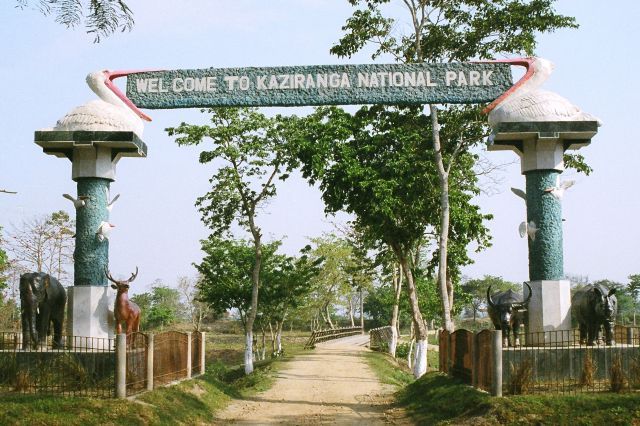
India's first UNESCO Natural Heritage Site on this list, Kaziranga National Park in Assam, hosts the world's largest population of the Indian one-horned rhinoceros. Situated in the floodplains of the Brahmaputra River, it has grasslands, forests, and wetlands that support significant populations of tigers, elephants, wild buffalo, and swamp deer — making it one of Asia's most important biodiversity hotspots.
Location: Assam
Outstanding Universal Value: Biodiversity
10. Qutab Minar Complex, Delhi
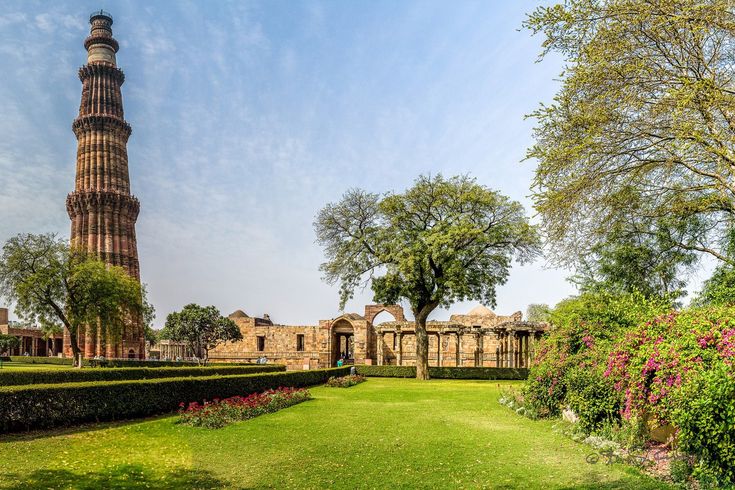
The Qutab Minar, soaring 72.5 metres, is the world's tallest brick minaret and the centrepiece of an extraordinary complex in South Delhi. Built by Qutb-ud-din Aibak in 1193 CE, the complex also includes the Iron Pillar of Delhi, which is a 6-metre rustless iron shaft from the 4th–5th century, and the Quwwat-ul-Islam Mosque, the first mosque built in India after the Islamic conquest.
Location: New Delhi,
Outstanding Universal Value: Indo-Islamic Architecture
Preserving India's Legacy
On this World Heritage Day, let us renew our commitment to India's extraordinary heritage. From the sublime symmetry of the Taj Mahal to the wild grasslands of Kaziranga, these 42 sites — and the 10 highlighted here — represent the very best of what human civilisation and nature have created on Indian soil. Whether you are a traveller, a student, a policymaker, or simply a proud citizen, understanding and advocating for these sites is the most meaningful tribute you can offer on April 18.