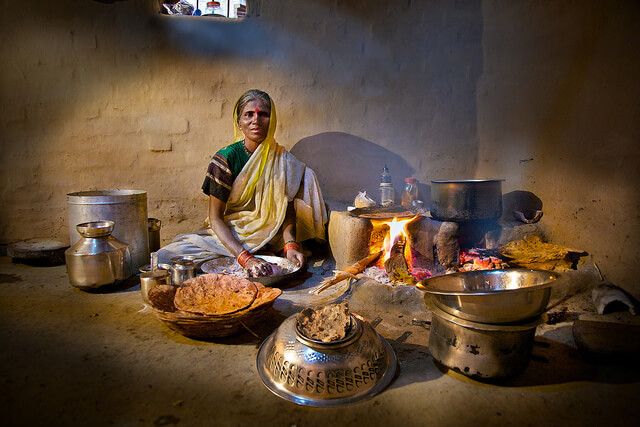
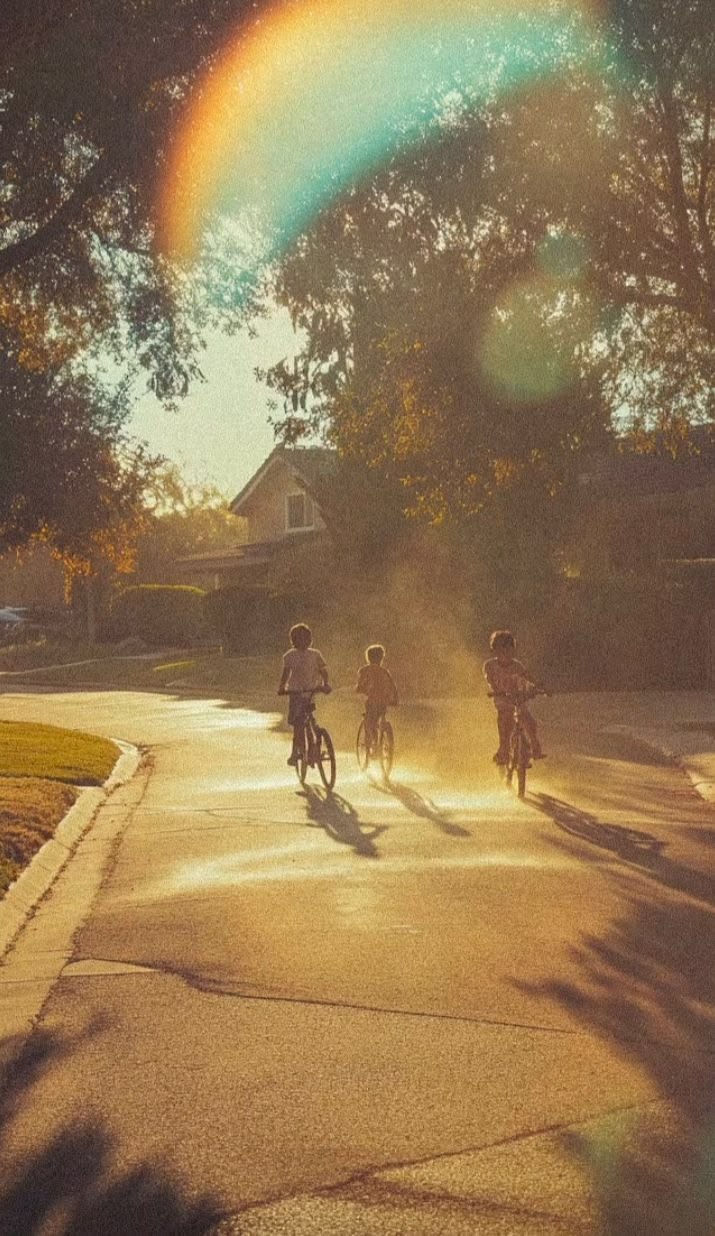
Every summer afternoon at three o’clock, my mother would draw the curtains, switch off the television and tell me to sleep. I would lie there for what felt like hours, listening to a crow outside, the clink of steel plates being washed in the kitchen, a neighbour’s scooter starting and failing to start. I hated that nap with the whole of my ten-year-old heart. I would have given anything for those two hours back then. Now I would give quite a lot to have them again.
Nobody Warns You About All This Choosing
Nobody tells you, when you are young and impatient for your life to begin, that adulthood is mostly made of deciding things. What to eat, when to sleep, which message to reply to first, whether to answer the phone at all. As a child, someone else drew the boundaries. You were told when to wake, when to eat, when relatives were coming over and when you would visit them back. It felt like a small prison at the time. From here, it looks more like a fence that kept you from having to think too hard about anything, which turns out to be its own kind of rest.
The Boredom We Worked So Hard to Avoid
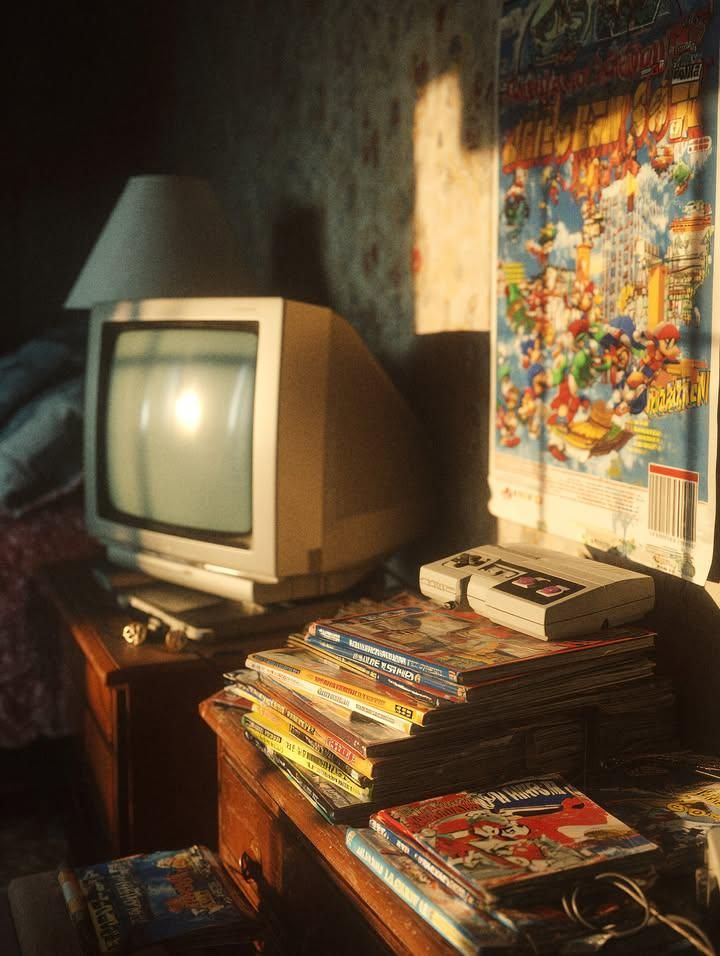
Long car rides to a grandparents’ house in another town, counting the same trucks, asking how much further, are not something you would choose now, not with a phone in your pocket and a podcast for every mood. But there was a stillness in that boredom, an emptiness that had nothing waiting to fill it. Summer vacations spent at a mama’s or a chachi’s house, made to play outside instead of watching television, being handed over to cousins for the day, felt like exile then. It reads, in memory, like the last stretch of time nobody expected anything from you at all.
The Same Rituals, Looked at Differently
Even the smaller irritations soften with distance. The starched school uniform ironed the night before, the one channel airing one show at one fixed hour, the Sunday visits to relatives you had nothing to say to, a whole week has a shape when someone else is holding the schedule. As adults, endlessly available and endlessly free to choose, we sometimes miss having so little control, because control, it turns out, comes with its own quiet weight.
What the Memory Is Really Made Of
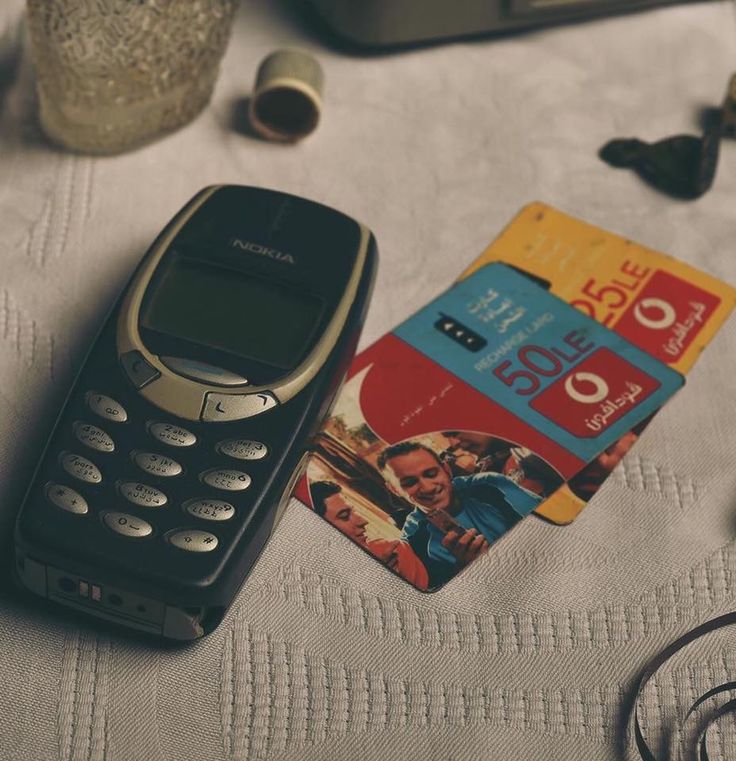
\None of this means childhood was better, only that we were looking at it with different eyes, the ones that had not yet learned to worry about time slipping away. What we miss is not really the nap or the drive or the uniform. It is a version of ourselves who did not yet know how much a person can carry. The memory has not changed. We have, and that is what makes it feel like something we lost.