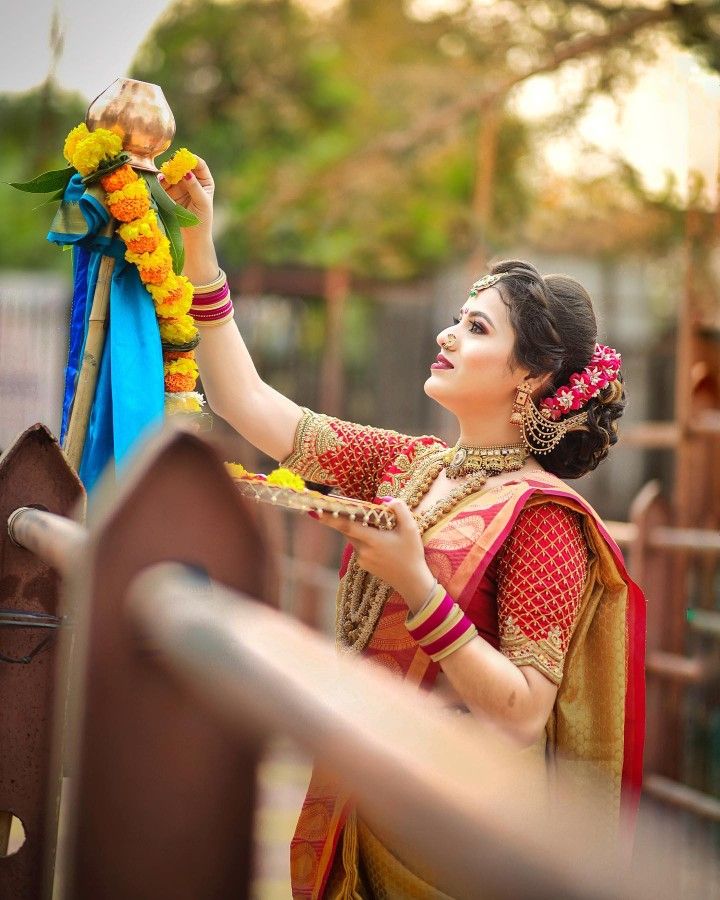
Gudi Padwa is one of the most celebrated festivals in Maharashtra, which celebrates the new year according to the Hindu lunar calendar. The advent of spring is celebrated with ethnic wear, family gatherings, and the placement of the gudi, which consists of a bamboo stick, bright cloth, mango leaves, neem leaves, and an inverted copper or silver pot. This symbolises victory, prosperity, and the warding off of evil.
Gudi Padwa creates a festive atmosphere, and the attire for the occasion should be rooted in tradition to complement the day. The most well-known ethnic attire we often see on this occasion is the saree, but this wear itself contains much diversity that needs meticulous attention. Here is a go-to guide to help you blend into the environment and get closer to the culture while keeping the style aspect intact.
Best Sarees to Wear for Gudi Padwa
Nauvari Saree – The Nine-Yard Pride of Maharashtra
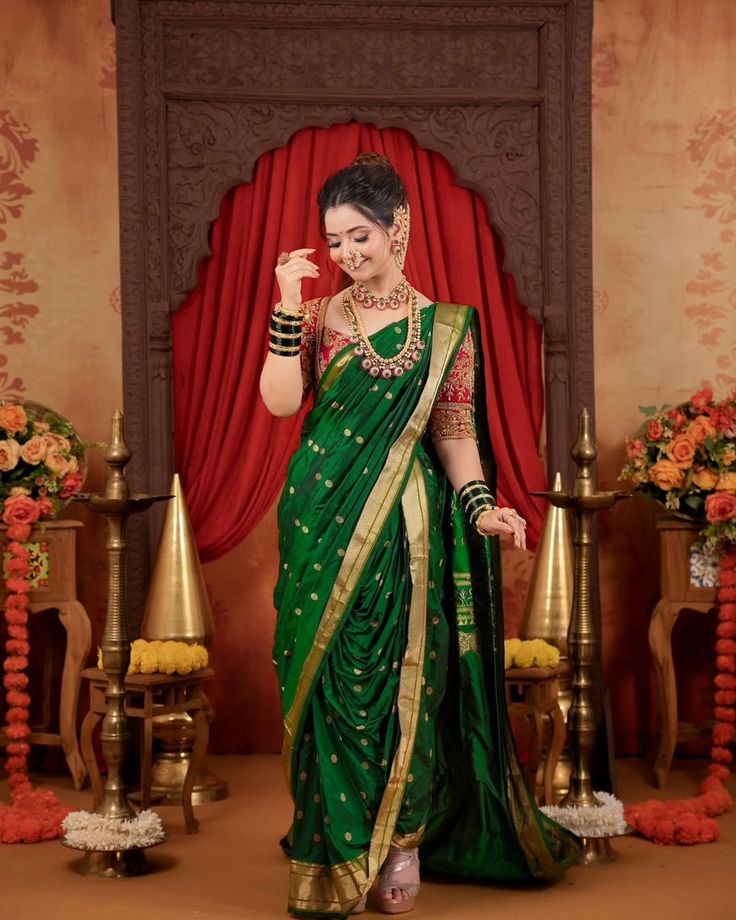
The name of the Nauvari (Nau means "nine", and Vari means "yard") saree itself contains its uniqueness; where most sarees are six yards long, the Nauvari is nine yards in length. This is worn mostly in Maharashtrian culture; unlike the normal saree, its drape brings a dhoti look while maintaining its elegance, enabling the wearer to enjoy the occasion without compromising mobility. The colours reflect the mood of the occasion — yellow, green, red, orange, and gold are among the best colours to wear at this festival.
Paithani Saree – A Royal Tradition Woven in Gold
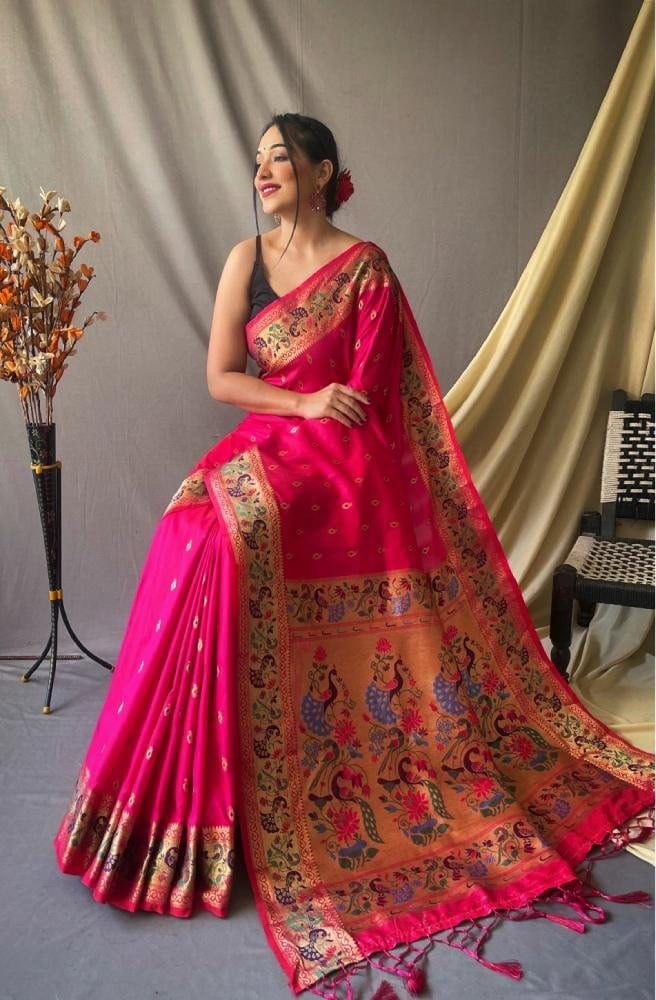
Paithani saree history goes back two thousand years; initially reserved only for royals, it became famous among the people for its rich colour combination, gold or silver zari, and motifs. Although it is made of silk, its weight speaks to the kind of intricate weaving that has been done; moreover, the motifs on the saree enhance the richness with peacocks, lotuses, mangoes, and other designs that pronounce a connection with nature and also signify different meanings. So if you are planning to celebrate culture while keeping a regal look, the Paithani saree will do the magic for you.
Kanjivaram Saree – South India's silk gem for Every Festive Occasion
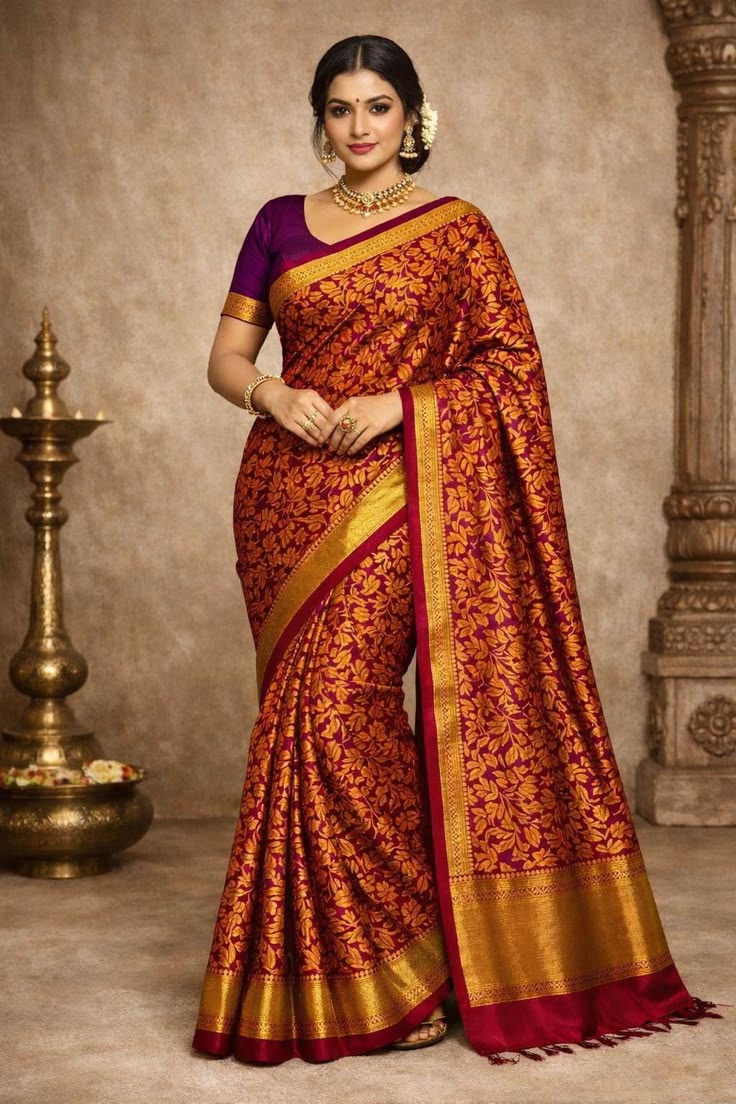
The Kanjivaram saree, originating from Kanchipuram in Tamil Nadu, is one of the most prized silk sarees in India. Woven with pure mulberry silk and interlaced with real gold or silver zari, it carries a weight and sheen that speaks of timeless craftsmanship. What makes the Kanjivaram distinctive is its contrasting border, which is woven separately and then attached to the body of the saree, a technique unique to this weave. The motifs range from temple patterns and checks to peacocks and floral designs, all of which carry an air of grandeur. Kanjivaram has transcended regional boundaries and found a natural home in festive occasions like Gudi Padwa. Rich shades of deep red, emerald green, royal blue, and turmeric yellow make it a perfect fit for the vibrant spirit of the festival.
Banarasi Silk Saree – Timeless Opulence for the New Year
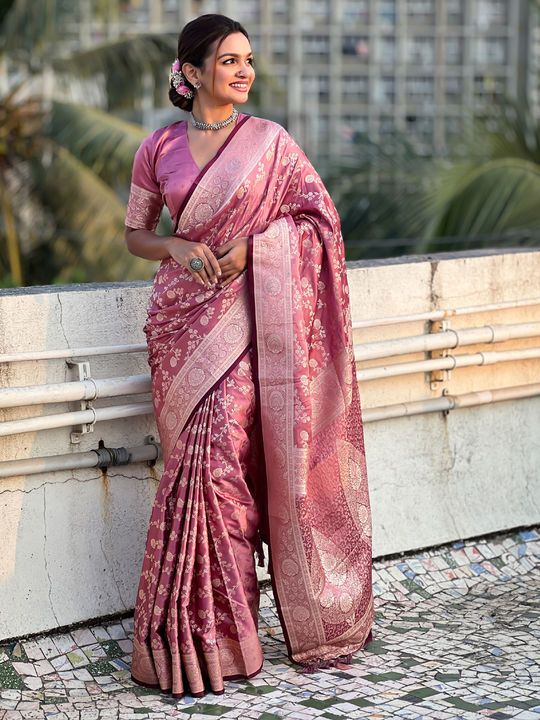
Few sarees carry the cultural weight and artistic legacy of the Banarasi silk saree, which originates from the ancient city of Varanasi. Recognised for its fine silk fabric, opulent zari work, and intricate brocade patterns inspired by Mughal artistry – think floral jaal, kalga, and bel motifs – the Banarasi saree is a celebration in itself. The lustrous texture and dense weave make it a piece that stands out in any festive crowd. For Gudi Padwa, opting for a Banarasi in festive colours such as saffron, magenta, gold, or ivory can strike an ideal balance between elegance and cultural reverence. It is a saree that does not just adorn the wearer but tells a story of heritage that stretches back centuries.
Celebrate Gudi Padwa in the Saree That Speaks to You
Gudi Padwa is more than a festival — it is an invitation to reconnect with your roots, and what you wear is a part of that conversation. Whether you choose the fluid grace of the Nauvari, the royal elegance of the Paithani, the bold grandeur of the Kanjivaram, or the timeless opulence of the Banarasi Silk, each saree carries a story that is worth wearing. Let this Gudi Padwa be an occasion where tradition meets personal expression, and may your choice of attire reflect the joy, prosperity, and new beginnings that the festival so beautifully represents.