
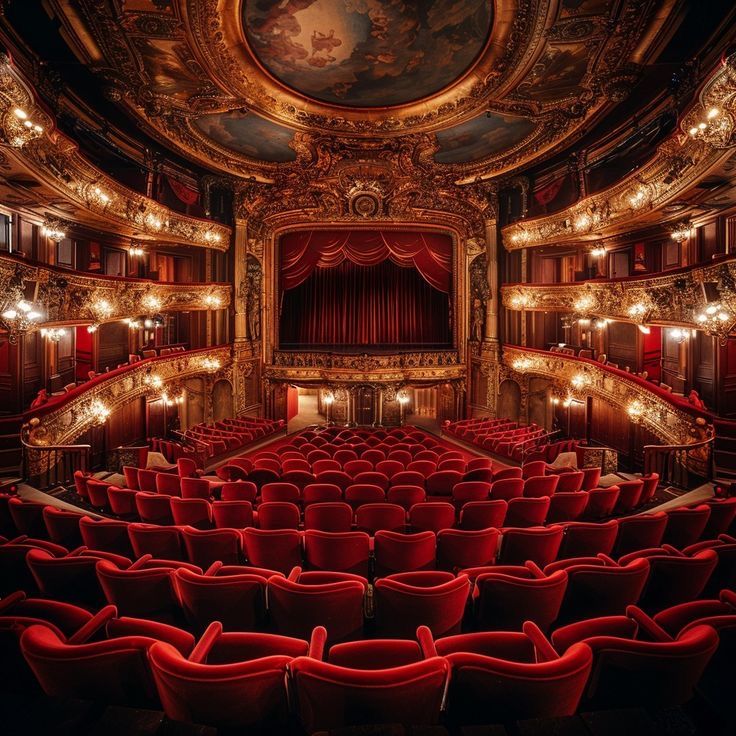
Celebrated every year on March 27, World Theatre Day is a global tribute to one of humanity's oldest and most powerful art forms. The importance of theatre lies not only in performance but also in the emotional and cultural experiences it creates. For centuries, theatre as an art form has connected audiences to stories that reflect society, imagination, and human emotion.
Beneath bright lights and towering curtains,
as the veil is slowly lifted,
Movement shifts — and art begins to breathe.
Stories unfold, the stage comes alive,
Each word carries a chorus of emotions.
We wear masks — not to hide, but to reveal.
stepping into lives not our own.
And when the direction changes,
We move from stage to seat.
escaping reality, only to lose ourselves in another.
We return home with something intangible:
a lingering feeling,
a different life, quietly lived.
This is the essence of theatre and storytelling — not just as performance, but as an experience shaped by belief, expressed through art, and deeply rooted in reality. It begins with a quiet understanding between the stage and its audience, a willingness to believe in stories that are not our own yet feel intensely personal. In that shared moment, theatre transforms storytelling into an immersive experience.
History of Theatre and the Cultural Significance of World Theatre Day
The history of theatre dates back thousands of years and remains one of the oldest forms of human storytelling. From ancient amphitheatres to modern auditoriums, theatre has evolved while preserving its ability to reflect society and human emotion. Throughout history, theatre and society have remained closely connected, with performances often mirroring social realities and challenging established perspectives.
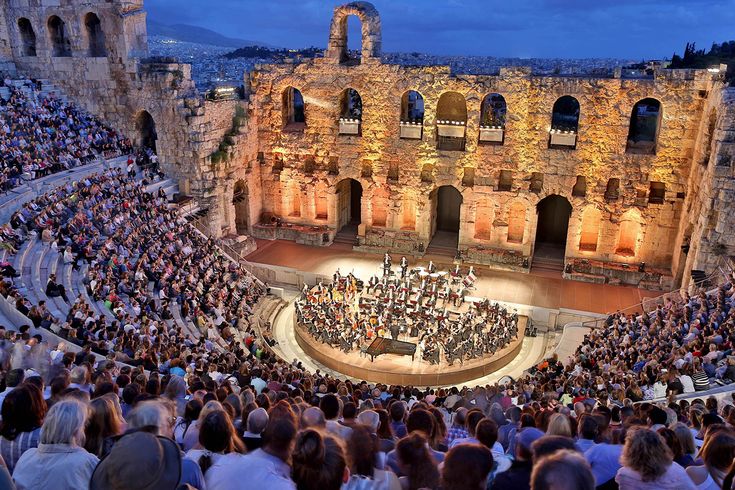
Beyond entertainment, theatre has frequently served as a subtle yet powerful voice of critique. Through satire, symbolism, and storytelling, playwrights and performers have addressed social and political realities in ways that encourage reflection and dialogue.
Recognising the cultural significance of theatre, World Theatre Day is celebrated every year on March 27. Introduced by the International Theatre Institute (ITI), the day honours the enduring impact of theatre worldwide. Across countries and cultures, World Theatre Day celebrations include performances, workshops, and discussions that highlight the continued relevance of theatre in modern society.
Theatre as Belief: The Emotional Power of Live Performance
At its core, theatre begins with belief. It is an unspoken agreement between the performer and the audience to accept a world that exists only within the boundaries of a stage.
This belief lies at the heart of the importance of theatre, allowing audiences to connect emotionally with stories that are fictional yet deeply relatable. Actors step into characters and bring them to life, while audiences willingly suspend disbelief to experience those lives.
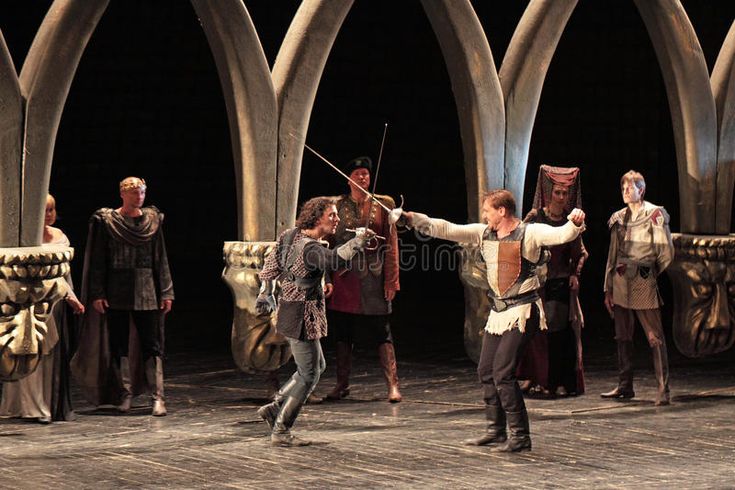
In this shared space, imagination becomes powerful. The stage may be simple, yet the emotions it evokes feel authentic. This fragile trust between performer and audience is what makes theatre and storytelling so compelling.
For a brief moment, the boundaries between fiction and reality blur — and that is where the magic of theatre truly exists.
Theatre as an Art Form: The Creative Essence of Performing Arts
Among all forms of performing arts, theatre stands as one of the most dynamic and collaborative. Often described as a living art, theatre as an art form combines writing, acting, direction, stage design, music, and audience engagement.
Its origins can be traced to ancient civilisations, particularly Greece, where theatre emerged as a combination of ritual, storytelling, and cultural expression. These early performances laid the foundation for modern dramatic traditions and highlighted the enduring importance of theatre in culture and society.
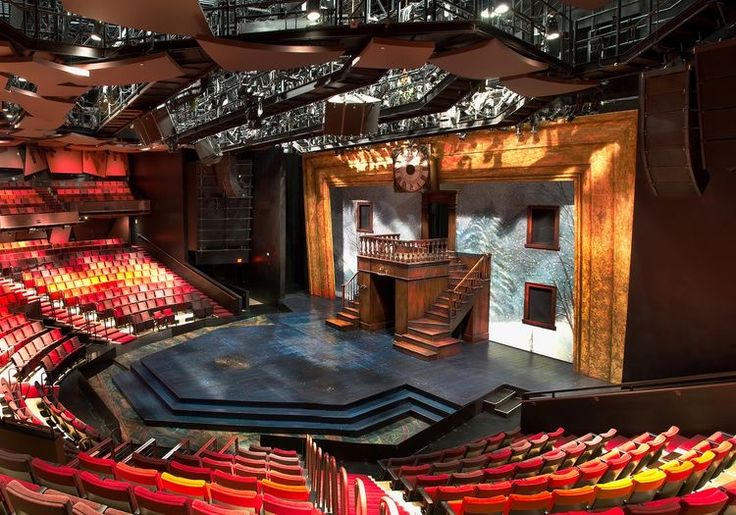
A theatrical production is never the work of one individual. Writers craft the narrative, actors embody the characters, directors shape the vision, and the stage provides the space where imagination becomes visible.
Yet theatre remains incomplete without its audience. Their presence, reactions, and interpretations transform a performance into a shared artistic experience. It is this interaction that keeps theatre as a performing art vibrant and meaningful even today.
Theatre and Society: How Theatre Reflects Reality
Despite being seen as a form of entertainment, theatre has always remained deeply connected to reality. The themes explored on stage often reflect the challenges, conflicts, and emotions present in everyday life.
Throughout history, theatre and society have influenced one another. Playwrights have used dramatic narratives to address social inequality, political struggles, and cultural shifts. In many cases, theatre became a safe space to question authority and explore uncomfortable truths.
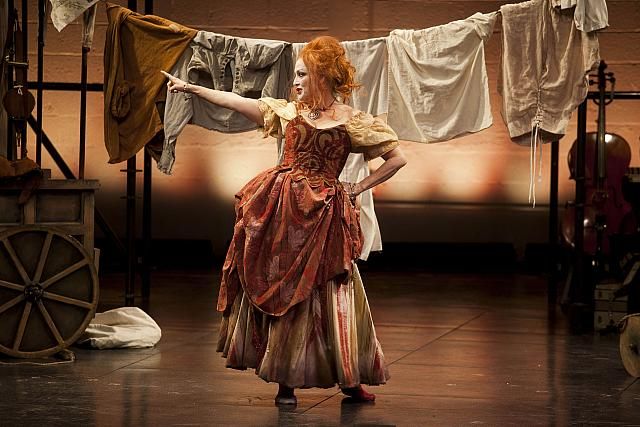
What unfolds on stage is often a reflection of the world outside it. Characters represent human experiences, while their struggles echo real-life emotions and dilemmas.
This connection explains why theatre continues to resonate with audiences. It does not merely offer escape — it encourages reflection. By presenting society through stories and characters, theatre helps audiences understand reality from new perspectives.
Why World Theatre Day Continues to Celebrate the Importance of Theatre
Theatre extends far beyond the stage. It lives in the belief that stories can transform perspectives, in the art that brings those stories to life, and in the reality that inspires them.
World Theatre Day reminds us that theatre is more than performance; it is a cultural experience that connects people across generations and societies. The celebration highlights the importance of theatre in preserving storytelling traditions, artistic expression, and cultural dialogue.
Even after the curtains fall and the lights fade, theatre leaves something behind – a thought, a feeling, or a perspective that continues to resonate.
And perhaps that is why World Theatre Day remains significant: because theatre does not simply end when the performance is over. It continues to live in the minds and emotions of those who experienced it.