

There is a famous saying that describes the artistic value of a work: the more personal the craft, the wider audience it can reach. This is reflected in the work of Indian singer and composer Gajendra Verma, whose songs have touched millions of hearts and given words to feelings that might otherwise have remained unexpressed. While recognising his contribution to music, we had the pleasure of speaking with Gajendra, who took us through his journey and creative process and shared his thoughts on the changing music industry and the impact of technological advancements on artists and their creativity.
Discovering the Power of Music and the Guidance of His Father
Gajendra's entry into music did not come through a sudden epiphany but through the comfort he found in listening to songs whose stories had no connection with his real life, yet felt deeply personal. “I remember feeling that the music was creating a space in my mind that I had never experienced before. Listening to or singing it would take me into that world. That fascinated me,” he reflected. This experience eventually set him on a journey that allowed him to create the same feeling for listeners through his songs.
However, long before his singing career found success, the singer had someone who taught him valuable lessons that shaped the person and artist he is today: his father, Surendra Verma, who was a poet and lyricist. Gajendra credits his father's experience and guidance for contributing significantly to his learning.
“He knew how to express himself, but he never imposed his opinions on us. He would never say, ‘Don't write this’ or ‘Don't sing this.’ He would simply encourage us to sing from the heart,” Gajendra shared, recalling a lesson that he continues to follow.
Enjoying the Creative Process and Remembering the Success of Emptiness
Repeating the same work over time can sometimes make an artist feel that the process has become mundane. Gajendra shared the mindset that keeps him excited about his work, even after a career spanning more than a decade. The key, according to him, is to remind yourself that you are doing something you love, even if you are now doing it professionally.
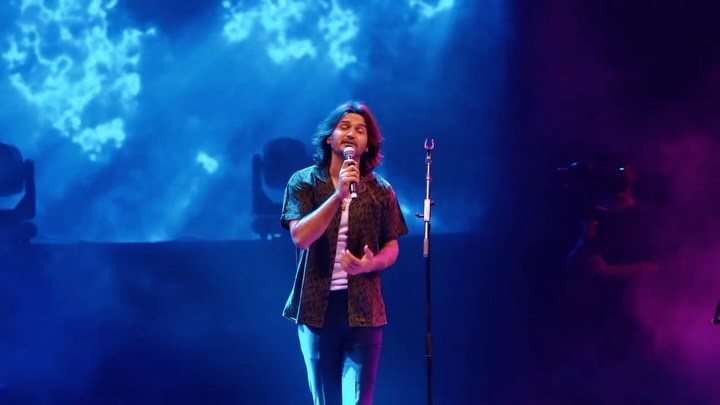
That brings us to his song Emptiness, which was special not only for its combination of English and Hindi but also for the response it received on YouTube in 2010, when the platform was still growing as a space for music discovery. Although the singer had not expected such a response, he described the experience as surreal. “For the first time, I felt that music was supporting me as much as I was supporting it, which felt like a proper friendship between music and me,” he shared, describing the connection he developed with music through the song's success.
Keeping Hope While Exploring Heartbreak and Treating Songs as Personal Diary Entries
More often than not, certain songs become associated with particular phases of our lives. No matter how much time has passed, returning to that music can evoke the same feelings, images, and memories that might otherwise have faded. Many of Gajendra's songs serve as reminders of particular stages in listeners' lives. But turning the question around, we asked the singer which of his songs felt like diary entries to him.
“Most of my songs are like diary entries for me. Whenever I make a song, it is usually connected to something that is going on in my life at that time,” he explained. These emotionally personal moments become expressions that eventually find their own place in the world, allowing listeners to relive those emotions or draw comparisons between their past and present.
To create music that becomes a part of listeners' lives, a singer must also understand what makes a song connect with its audience. For Gajendra, it is the emotion he brings to his singing that allows him to evoke those feelings in listeners. “When you are actually singing, you should be lost in the emotion,” he suggested, emphasising the importance of feeling the song rather than focusing only on its other elements.
Another characteristic that makes his songs stand out is their ability to balance heartbreak with a sense of healing. Gajendra credits this to his outlook on life and his belief in personal growth. “I am a big believer in learning and growing in life. If you want to hold on to something as an anchor, it should be the belief that your growth must never stop.” This outlook is reflected in his music, which explores heartbreak and sadness while also leaving room for hope.
His Personal Favourite Song from His Catalogue and the Thought Behind Revisiting Mann Mera
Having released several popular songs throughout his career, we asked Gajendra about his personal favourite from his catalogue. He named "Aaj Phir", adding that he believes listeners would enjoy the song.
From his personal favourite, we moved to the original version of Mann Mera, which he revisited to create an acoustic version after noticing its renewed popularity in recent years. Gajendra shared his response to this unexpected appreciation: "Over the last couple of years, the original version suddenly started gaining popularity. Even I had not revisited that version for a long time because I was performing the movie version at almost all my shows. It was quite surprising, but also a very pleasant experience.” His response reflects how a song can find a new audience even years after its release, sometimes bringing an earlier version back into the spotlight.
Balancing Technology with the Human Touch in Music
Gajendra also believes that while digitalisation and artificial intelligence have made music production and distribution easier, artists must continue working on their craft rather than becoming overly dependent on these tools. He feels that the convenience technology offers can sometimes reduce the effort people put into learning, while human imperfections are what make an artist's work distinctive. He has witnessed this change in his own journey since 2010, with recording becoming much faster through home studios in Jaipur and Mumbai. While recording a song once took four or five days, he can now sometimes record it overnight and send it back the next morning. However, he believes newcomers should not take shortcuts before developing their skills.
“A song becomes beautiful partly because of human imperfections. Something unique emerges because you are human,” he explained.
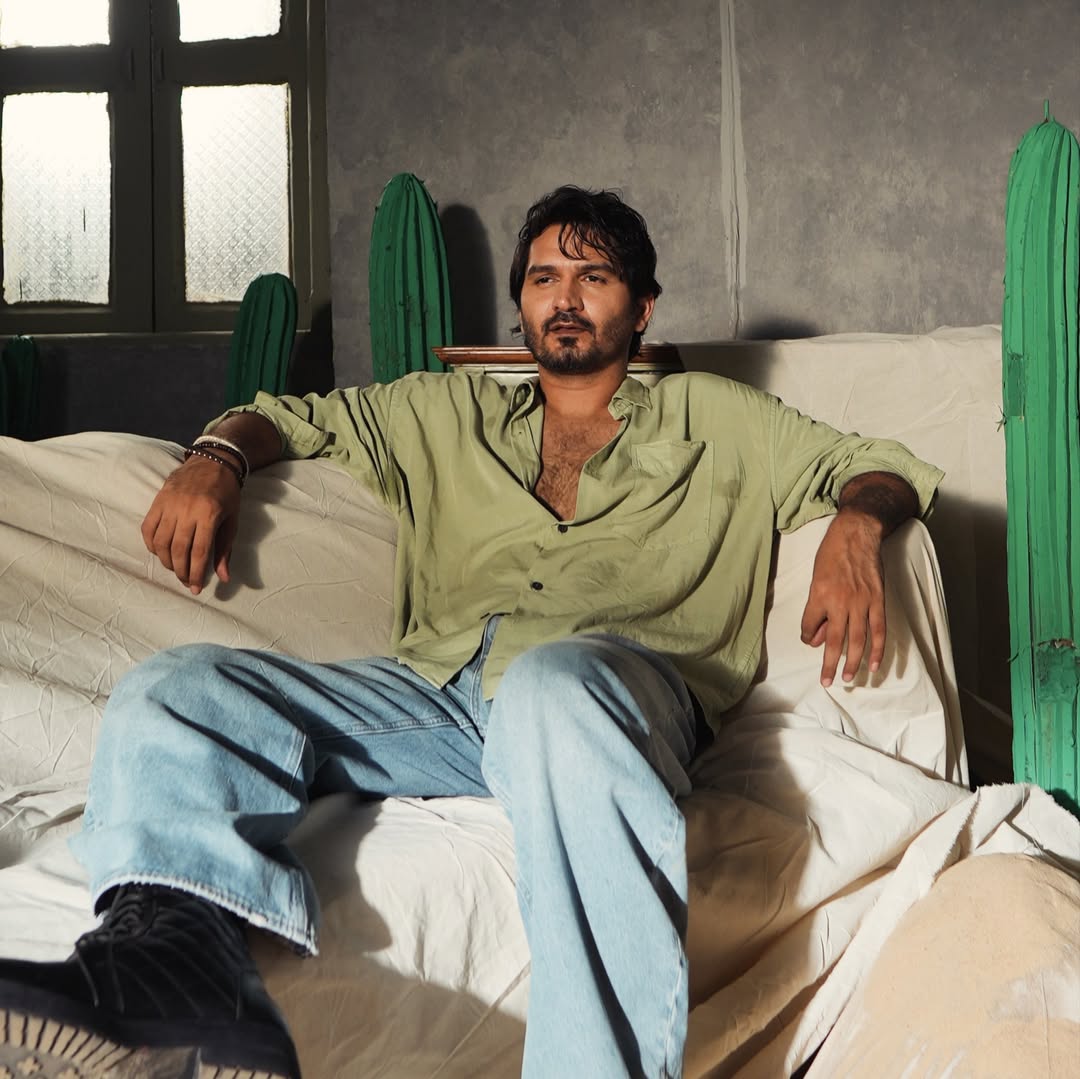
Looking ahead, he hopes to experiment with Indian classical music and R&B-style beats while creating music that encourages people to sit down and listen, just as they did with cassettes in the 1990s.
“I would like to create music that gives people a reason to sit at home, either alone or with their families, and simply listen,” he shared.
While the singer’s vision for the future really tapped into something unique, we came to know about his current release, “Sahra”, the first song from his new EP, In-Between, which has received immense love from listeners on the internet. He felt very grateful for the response and is looking forward to receiving similar responses to the upcoming releases from the EP.