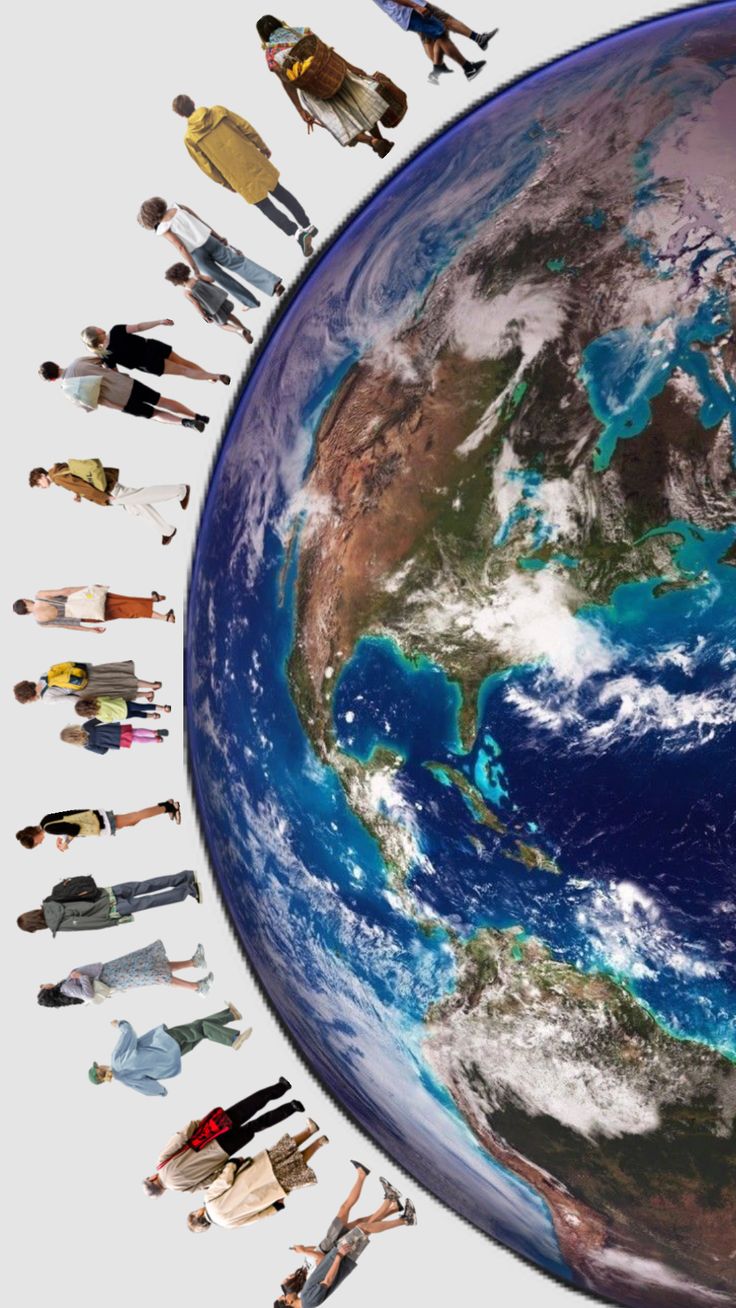
Every year on July 11, the world marks World Population Day. The United Nations established the day in 1989, a couple of years after the global population crossed the five billion mark in 1987. This year, in 2026, the world population stands at more than 8.3 billion people, and the day is once again a chance to pause and ask what that number really means for people’s lives.
This year’s theme
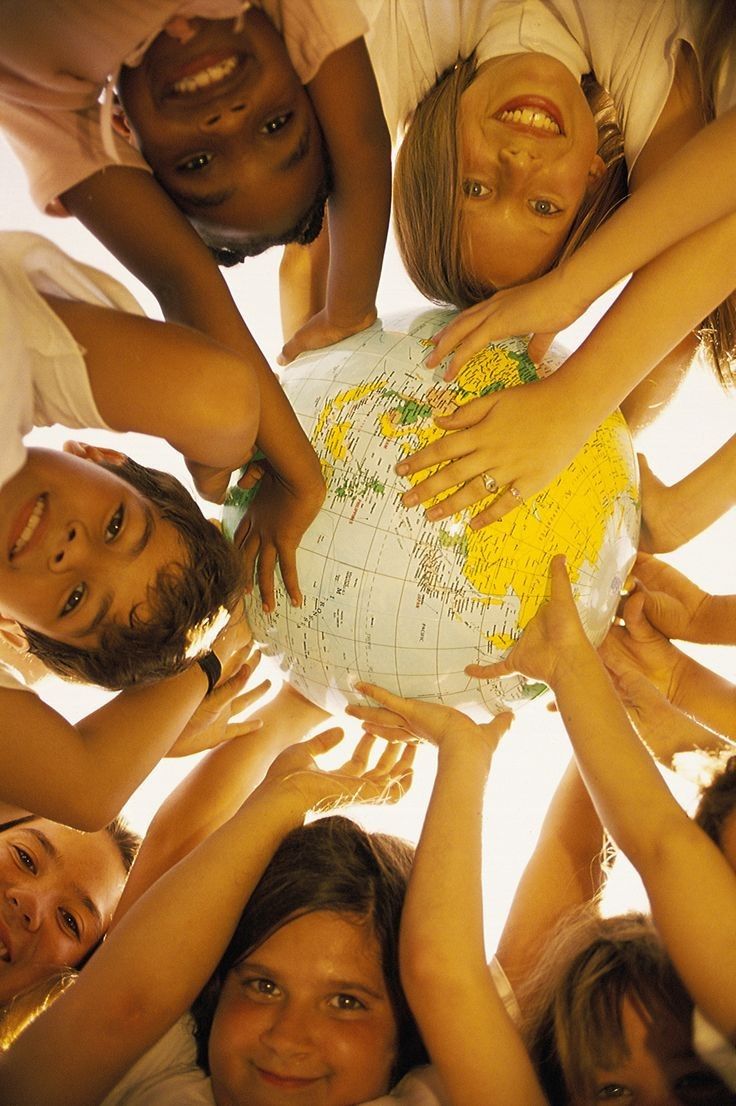
According to the United Nations Population Fund, this year’s theme is “Realizing the hopes and aspirations of young people, today and for the future.” The theme grows out of a new UNFPA survey that asked more than 100,000 young people, aged 18 to 39 across 73 countries, about their hopes for family, work, and life. The report was released just days before the observance.
What other outlets are reporting
Coverage this year has largely moved away from old fears of overpopulation. Several outlets note that many governments are now more worried about falling birth rates than rising ones, with some even calling it a population slowdown. But reports also point out that this is not simply about numbers going up or down. Many young adults say they want children but are held back by the cost of living, job insecurity, housing prices, and worries about the future, including climate change. Writers covering the day this year describe it less as a warning about too many people and more as a reminder that people everywhere deserve the freedom to make their own choices about their families.
The bigger picture
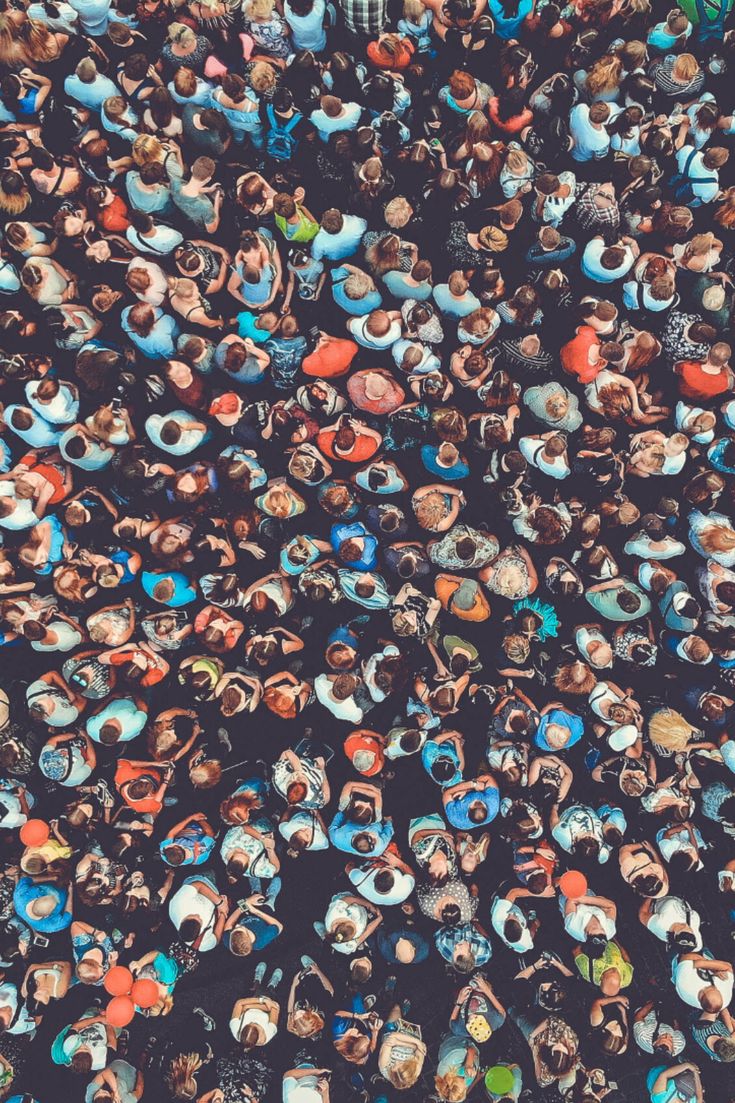
The United Nations projects that the world population will reach about 9.7 billion by 2050, before growth slows further and eventually levels off later in the century. Alongside this, cities keep growing. More than half the world already lives in urban areas, and that share is expected to keep rising. These shifts touch almost everything, from schools and hospitals to jobs, housing, and the environment.
Why the day still matters
World Population Day is not a public holiday, and it will not change policy on its own. But it gives governments, charities, and ordinary people a shared moment to talk about family planning, gender equality, and the needs of young people. This year’s focus on youth hopes is a useful shift. Instead of only counting people, it asks what kind of future those people actually want and what stands in their way. That question may matter more than any single number.