
There is something about a leather jacket that never seems to go out of style. Whether it is paired with denim, thrown over a simple dress or worn as part of an all-black outfit, it has a way of making even the simplest look stand out. But behind its familiar silhouette lies a history that goes far beyond fashion. Before becoming a wardrobe staple, the leather jacket was designed for protection, shaped by changing lifestyles and eventually adopted by some of the most recognisable faces in popular culture.
From Function to Fashion
The story of the leather jacket did not begin on a fashion runway. Its early popularity was closely connected to aviation and motorcycling, when people needed clothing that could protect them against harsh weather and demanding conditions. Pilots wore leather flight jackets to keep warm in open cockpits, while motorcyclists needed durable outerwear that could withstand the wind and the challenges of the road.
One of the most significant developments came in 1928, when American manufacturer Irving Schott introduced the Perfecto motorcycle jacket. Created for a Harley-Davidson distributor, its asymmetrical zip, cropped fit and sturdy construction were designed with riders in mind. What started as practical clothing would eventually become one of the most recognisable fashion silhouettes in history.
Hollywood Gave It an Attitude
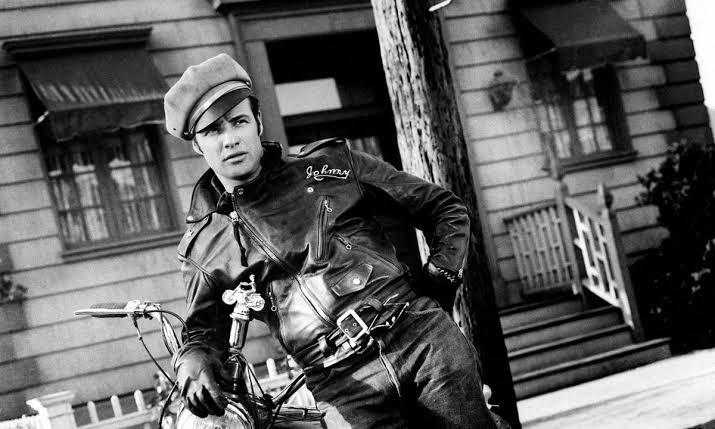
The leather jacket's journey into popular culture took a major turn in the 1950s. Marlon Brando's appearance in The Wild One (1953), wearing a black motorcycle jacket, helped establish its association with rebellion and youthful defiance. Soon, the jacket was no longer just something worn by motorcyclists. It became a statement. James Dean further strengthened this image, both on and off screen. His association with the rebellious youth culture of the decade helped turn the leather jacket into a symbol of independence and nonconformity. It was no longer simply about what someone wore but what that choice represented.
From Rock 'n' Roll to the Runway
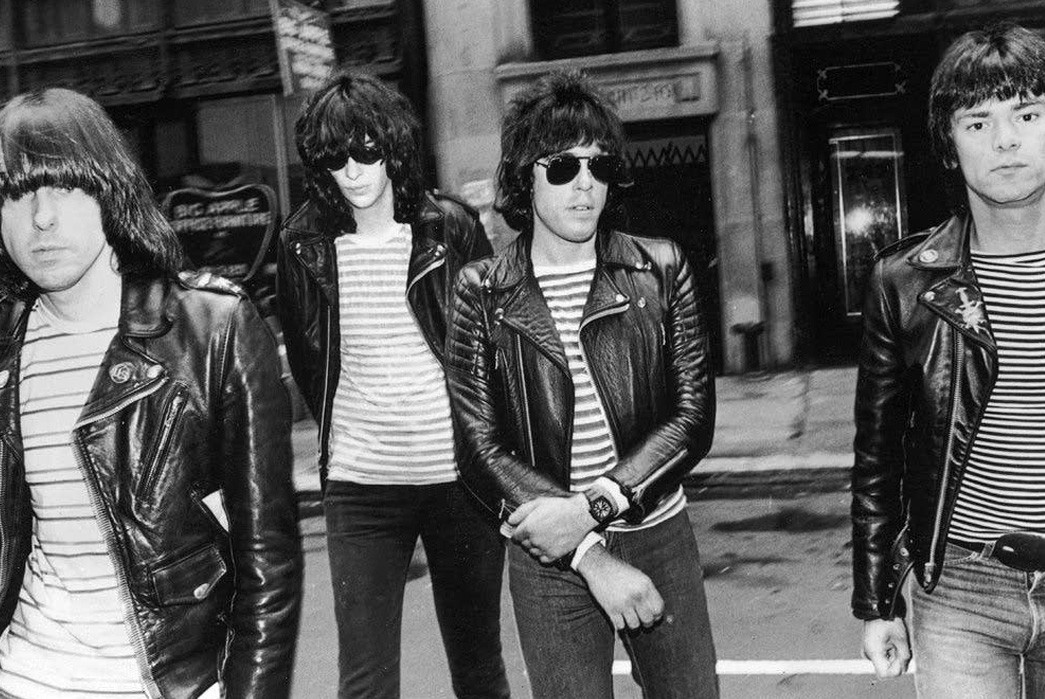
As the decades passed, musicians and subcultures gave the jacket new meaning. Punk rock bands such as the Ramones adopted the black biker jacket as part of their unmistakable identity. Its rugged appearance suited the music's rebellious spirit, while its association with rock stars made it even more desirable. Fashion designers eventually embraced the silhouette, taking it beyond its original purpose. Different cuts, colours, textures and finishes allowed the jacket to move between streetwear and luxury fashion without losing its original character.
The Brands Behind the Icon
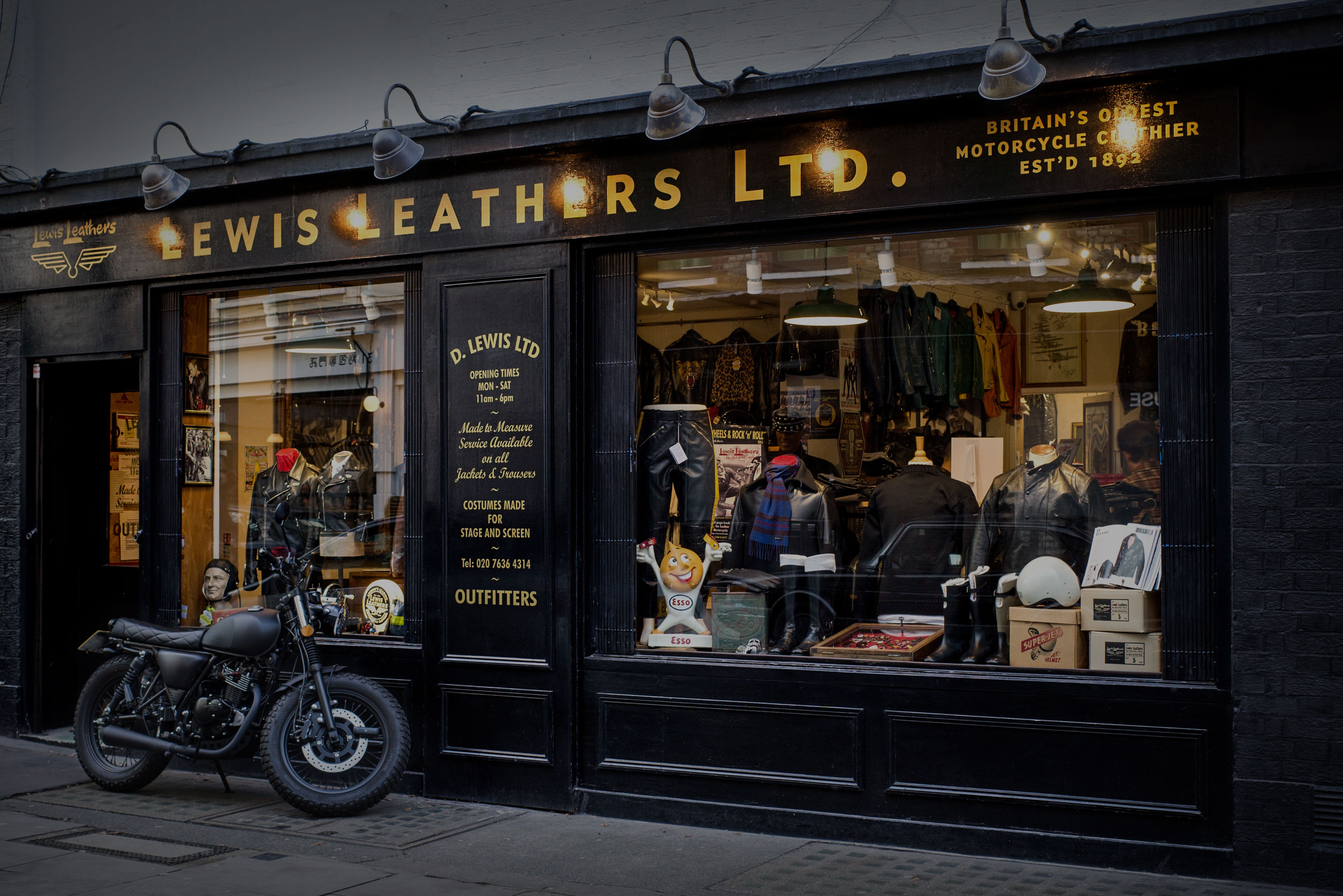
Some brands have also played an important role in keeping the leather jacket's legacy alive. Schott NYC, the American brand behind the iconic Perfecto, continues to carry its motorcycle-jacket heritage into its collections. Britain's Lewis Leathers, which dates back to 1892, initially built its reputation by supplying protective clothing to Royal Air Force (RAF) pilots before becoming closely associated with British motorcycling and rock culture. Belstaff, founded in 1924, made its mark through weather-resistant outerwear, particularly its waxed cotton and leather jackets worn by racers and adventurers. Despite their different beginnings, these brands share a connection to the garment's history. Their continued presence is a reminder that the leather jacket's appeal goes beyond its appearance, with its craftsmanship, heritage and cultural associations playing an equally important role.
The New Chapter: Vegan Leather and Changing Fashion Choices
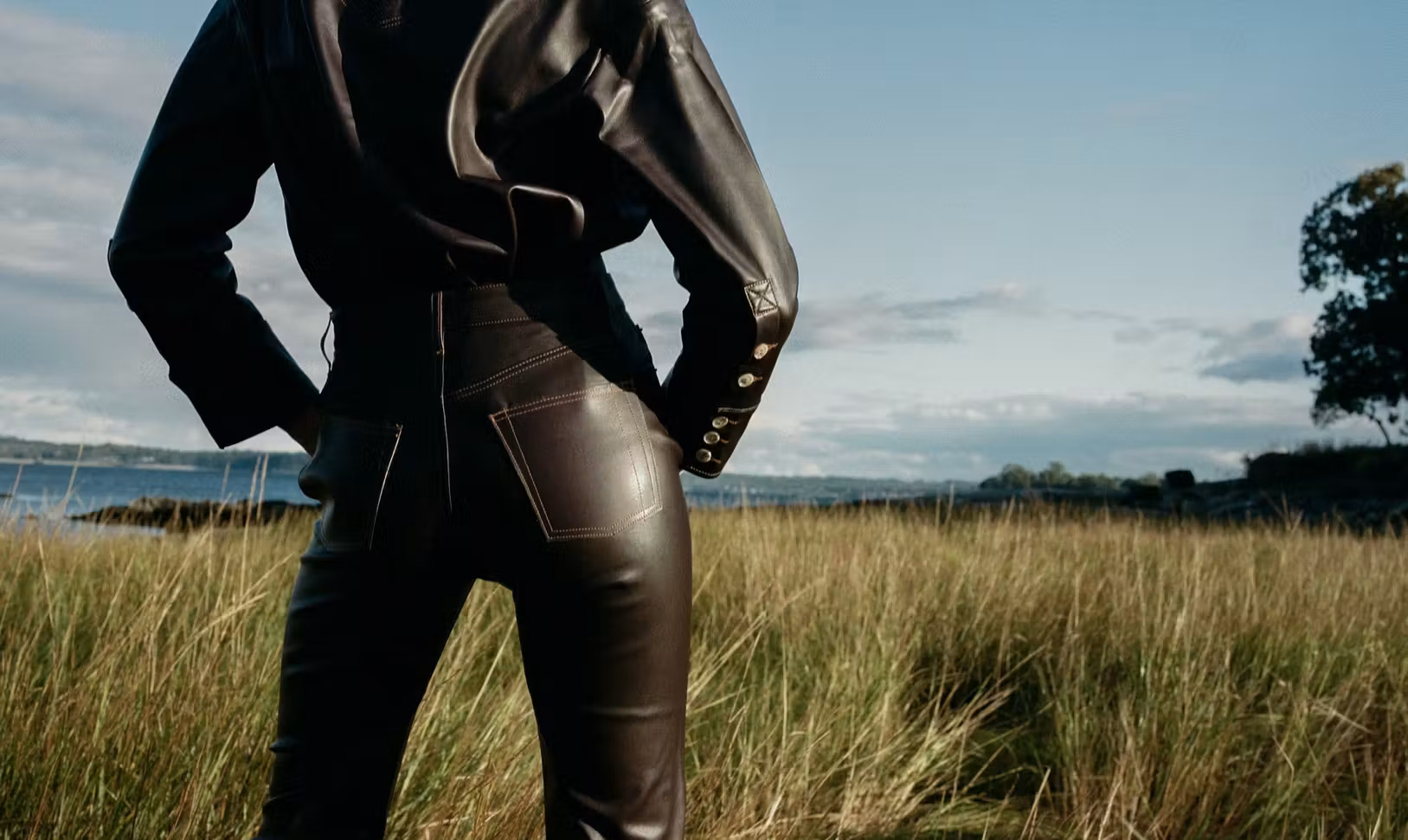
As fashion continues to evolve, so does the conversation around the materials used to create it. While genuine leather remains popular for its durability, texture and association with traditional craftsmanship, changing consumer preferences have brought alternatives into the spotlight. Vegan leather, made using materials such as polyurethane (PU) and other plant-derived alternatives, has become an increasingly visible option for those seeking animal-free fashion. Several fashion brands have incorporated these alternatives into their collections, offering leather-inspired jackets in different styles and finishes.
However, not all alternatives have the same environmental impact. Conventional synthetic leather can involve petroleum-based plastics, while newer plant-based materials are exploring different ways of reducing reliance on animal-derived leather. This shift reflects how the leather jacket continues to adapt to changing attitudes towards fashion, consumption and material choices. Its identity may have been built on rebellion, but its future is also being shaped by a new generation of consumers asking different questions about what they wear.
An Icon That Never Really Left
Today, leather jackets come in countless styles, from oversized bombers and cropped designs to classic biker silhouettes. They have moved beyond their original associations and found a place in wardrobes across generations.
Perhaps that is what makes the leather jacket so enduring. Trends may change, but a garment with such a rich cultural history rarely loses its appeal. What was once designed for the open road has become a symbol of individuality, confidence and timeless style. And the next time we reach for one, there is a little more to appreciate than just the look.