Imagine a Wednesday evening, the week has already worn you down, and you open a music app not to find something new, but to build something. You drag in a slow song, then another, then one that reminds you of a specific autumn three years ago. Within minutes, you have a playlist called something like "soft landing" and you feel, somehow, a little steadier. Music has always had the power to shift our mood. But lately, something has changed. People are not just listening to music. They are deliberately building it into collections designed to help them feel, heal, cope, and reflect. Playlist-making has quietly grown into one of the most accessible forms of self-care around.
Music as Emotional Regulation

There is a big difference between putting music on and actually curating it. People today are doing the latter with real intention. A "Calm Morning" playlist eases you into the day before the noise kicks in. A "Post-Breakup Recovery" playlist holds space for grief without anyone having to say a word. "Focus Mode" playlists help the brain settle into deep work. "Sunday Reset" playlists signal that the weekend is winding down in the gentlest possible way.
What makes this meaningful is the sense of agency it creates. When everything feels out of hand, choosing exactly which songs accompany your morning or your evening is a small but real act of control. You are telling yourself what kind of moment you want this to be.
The Rise of Personalised Listening
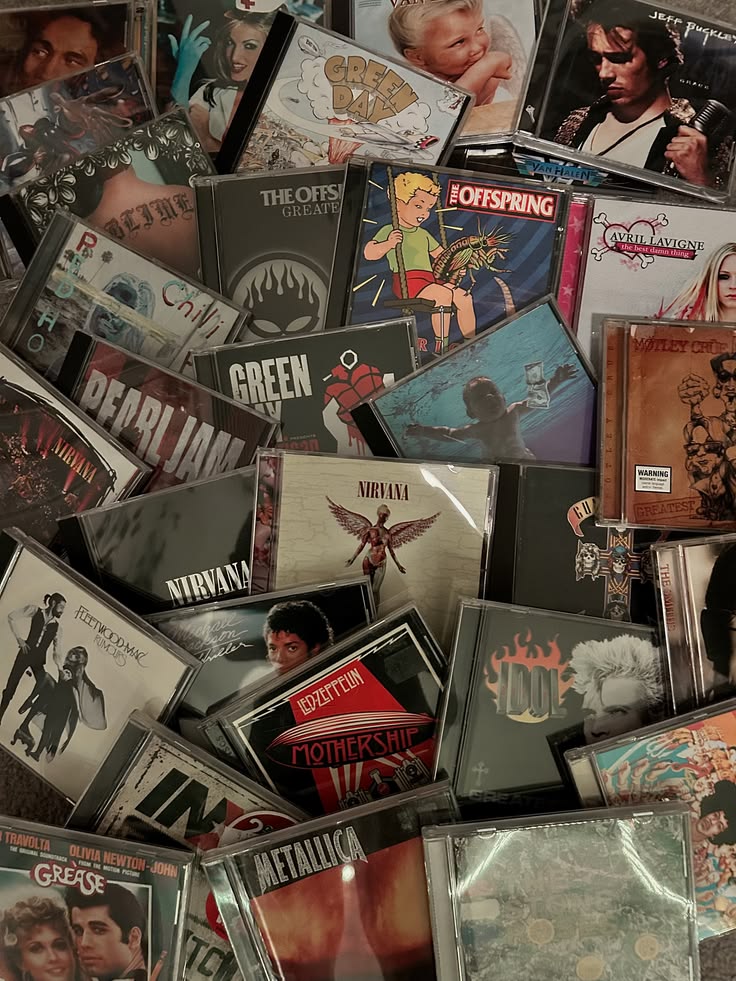
Streaming platforms have made all of this far easier than it used to be. You no longer have to wait for a radio show to play the right song or hunt for a CD that matches your mood. Everything is there, and the tools to organise it are right at your fingertips.
For Gen Z and millennials especially, playlists have become a kind of living document. They archive moods, memories, seasons, and life phases in a way that feels more immediate than photos. A playlist from the summer you moved to a new city, or the winter you were trying to get back on your feet, carries something that words alone cannot quite hold. In that sense, playlists have become a form of digital journaling, one that is easier to return to and harder to explain.
Why Curating Feels Therapeutic
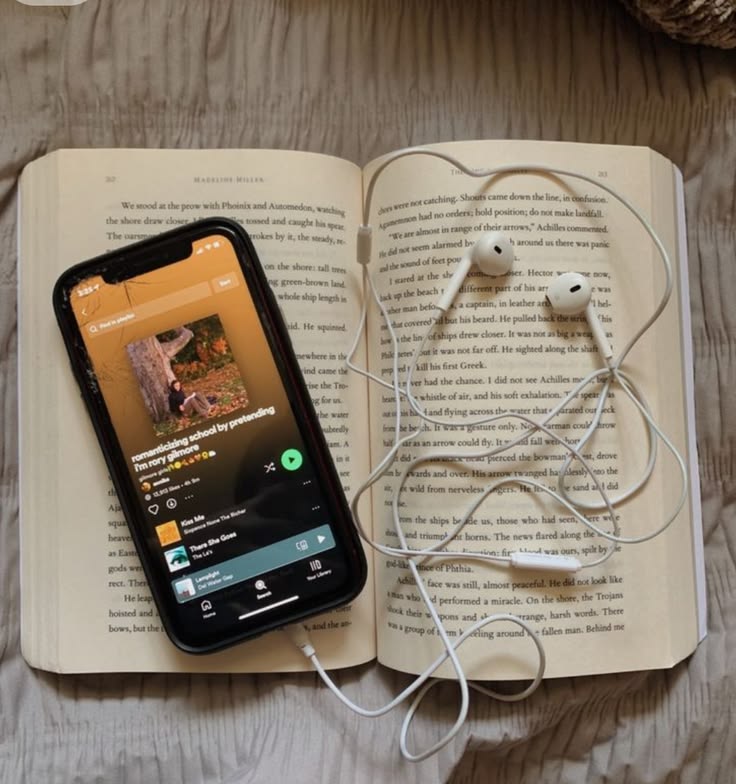
The act of making a playlist is a form of self-reflection in itself. Choosing songs, arranging them in a certain order, changing your mind, and adding or removing tracks forces you to pause for a moment and ask yourself how you're feeling and what you need. In that sense, it is not so different from journaling or creating a vision board. It becomes a small but meaningful way of checking in with yourself.
There is something special about revisiting old playlists, too. A song you added during a difficult time can remind you of how much you've grown since then, while a track from a happier chapter can bring an immediate sense of comfort. Music has a unique way of holding memories, and when those songs have been carefully collected into a playlist, returning to them feels less like looking back and more like coming home.
More Than Music, It Is Self-Expression
Playlists rarely stay private for long. People share them with close friends, send them to partners without explanation, and post them online with carefully chosen names and cover art. There is something in a playlist that communicates personality and feeling in ways that are sometimes easier than finding the right words. The aesthetic names, the tiny image chosen to represent a collection of songs, the order in which everything sits, all of it is a small self-portrait. A playlist is a way of saying, this is where I am right now.
Press Play
On World Music Day, it feels worth celebrating not just the music we listen to, but the way we engage with it. In a world that is constantly demanding our attention, creating a playlist can be a surprisingly meaningful act. It gives us a chance to slow down, reflect on how we feel, and choose something that brings comfort, energy, or joy.
Self-care does not always have to look like a wellness trend or a perfectly planned routine. Sometimes it is much simpler than that. Sometimes it is finding the song that says exactly what you cannot put into words, turning up the volume, and letting yourself be present in the moment.