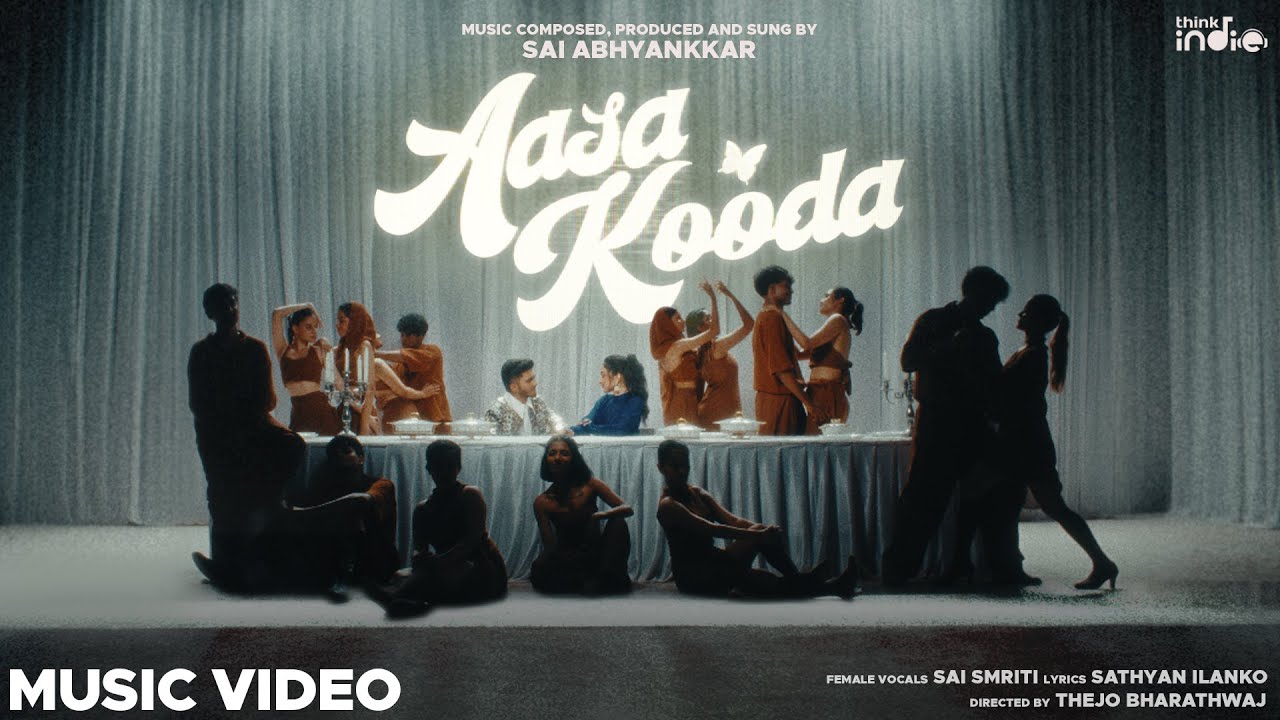
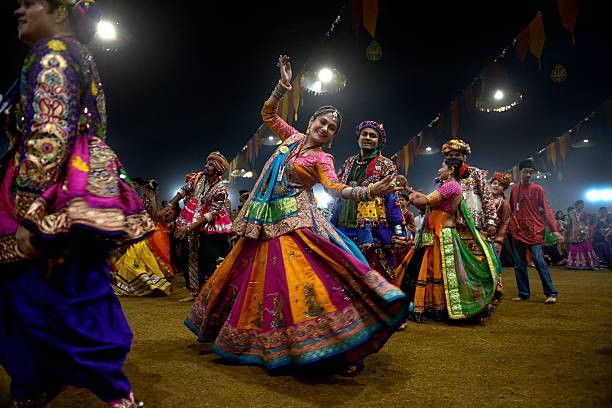
Every festive season, the celebrations begin with music. During Navratri, the sound of dhol beats and garba songs fills community grounds, bringing people together on the dance floor. As the season moves towards Diwali, the music shifts to party anthems, familiar Bollywood hits and songs that make their way onto everyone's playlists. But the Indian festive soundtrack is no longer limited to a handful of Hindi film songs. Traditional folk music, regional hits and independent artists are finding space alongside familiar favourites. With social media helping songs travel beyond their original audiences, the way India celebrates is also changing.
Navratri: Where Tradition Meets Bollywood
Navratri has always had a distinct musical identity. Gujarati garba and dandiya songs are at the heart of the celebrations, keeping regional traditions alive through music and dance. Songs such as Pankhida O Pankhida continue to be associated with the festive season, bringing generations together through familiar rhythms. At the same time, Bollywood has played a major role in expanding garba’s reach to audiences across India and beyond. Falguni Pathak’s classic hits remain staple festive tracks, while big-screen numbers like Dholida (Gangubai Kathiawadi) and Nagada Sang Dhol (Goliyon Ki Raasleela Ram-Leela) brought the theatrical grandeur and explosive energy of garba to a new generation of listeners.
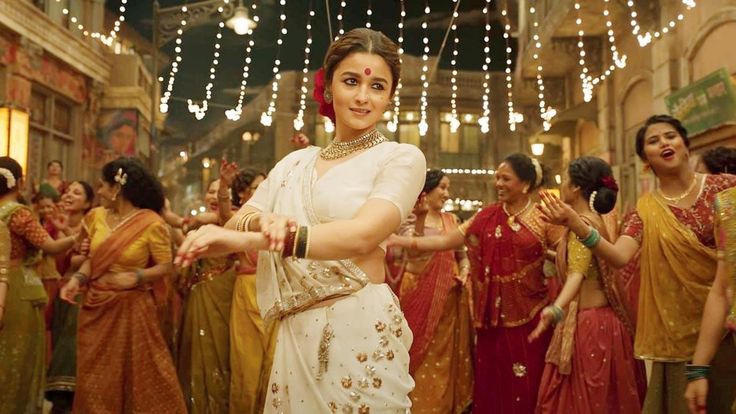
The appeal lies in how these sounds coexist. Traditional folk music preserves the cultural roots of the festival, while cinema gives those familiar rhythms a grander, modern setting. For many, a Navratri playlist smoothly transitions between traditional garba beats and high-octane film music without losing the spirit of the occasion.
From Garba Nights to Diwali Parties
As Navratri gives way to Diwali, the musical mood shifts. The focus moves from garba circles and dandiya grounds to lit-up homes, family gatherings, and late-night card parties.

While Diwali doesn't rely on a single genre of dance music, Bollywood provides the festive backdrop that defines these nights. Grand family anthems like Bole Chudiyan (Kabhi Khushi Kabhie Gham) evoke warmth and nostalgia, while high-energy favourites like Gallan Goodiyaan (Dil Dhadakne Do) bring every generation onto the floor during card parties and get-togethers. Alongside these familiar Hindi tracks, regional party music and independent festive releases bring a fresh energy to the mix—even when listeners don't understand every lyric. The resulting playlist reflects a modern celebration where traditional nostalgia and contemporary beats share the exact same space.
How Social Media Is Changing the Playlist
Social media has made this exchange easier. A dance trend, a wedding video or a short reel can introduce a song to listeners who might never have discovered it otherwise. Streaming platforms then allow them to find the full track and explore more music from the same artist or region. This shift is part of a broader change in Indian music consumption. Spotify's September 2026 Loud & Clear report recorded growth in royalties generated by music in several Indian languages, including Telugu, Marathi, Bengali and Malayalam. Haryanvi music also saw a substantial increase in streams on the platform. While streaming figures do not tell us exactly what people play during Navratri or Diwali, they point towards a wider appetite for music beyond the most familiar Hindi-language releases.
One Festive Season, Many Sounds
Bollywood still has a place in India's festive celebrations. Its songs carry nostalgia, familiar hooks and memories of celebrations past. But today's festive soundtrack has room for much more. From traditional garba songs to regional party tracks discovered online, music is bringing different sounds into the same celebration. The change is not about replacing one musical tradition with another. It is about allowing more of them to be heard. This festive season, the soundtrack may still begin with a familiar Bollywood beat. But somewhere between a garba night and a Diwali party, a new regional favourite might find its way onto the playlist, too.