For decades, Indian “mainstream music” had a fairly obvious centre: Hindi cinema. A song could originate in another language, but the route to national recognition often passed through Bollywood. Regional music existed everywhere, but it was usually treated as regional first and mainstream second. The internet has begun to disturb that hierarchy. Today, a Tamil hook can become a national reel sound, a Marathi independent track can dominate feeds across India, and a Mizo song can find listeners thousands of kilometres away. The new gatekeeper is not necessarily a film studio or music label. Sometimes, it is the algorithm.
When Fifteen Seconds Becomes the Gateway
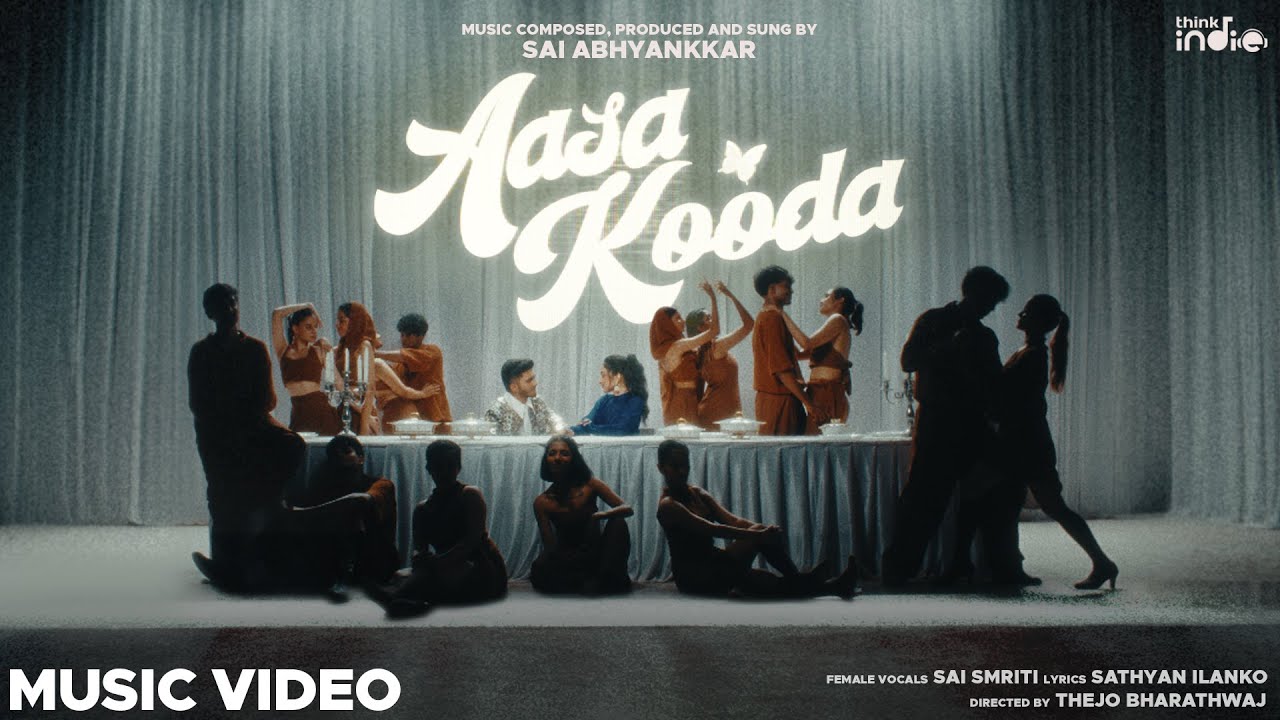
Short-form video has changed how audiences discover music. A listener may encounter fifteen seconds of a song repeatedly before ever hearing the full track. The beat, vocal texture or one instantly recognisable hook can become familiar even when the listener does not understand the language. That is part of what made songs such as Sai Abhyankkar's Aasa Kooda and Katchi Sera travel beyond Tamil-speaking audiences. Their circulation did not depend entirely on translation. The sound itself became the invitation.
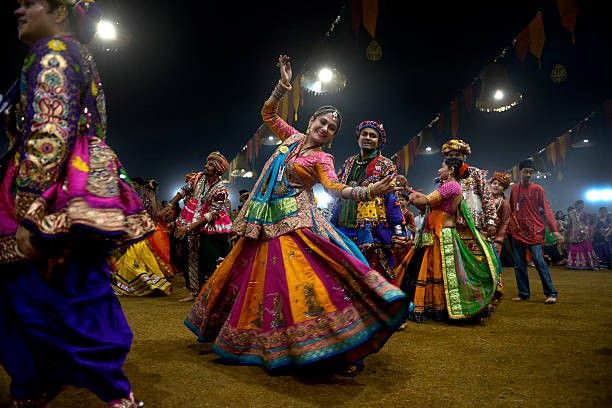
The same shift can be seen in Marathi pop. Gulabi Sadi became a social media phenomenon before it needed Bollywood to introduce it to a national audience. Its hook travelled through reels, performances and everyday celebrations, turning an independent Marathi song into a recognisable piece of Indian pop culture. And the map can stretch even further. Mizo artist H.O.M.'s Siali, built around Mizo vocabulary, folklore and an alternative-rock-influenced sound, crossed a million Spotify streams and became one of the platform's highest-streamed Mizo tracks. These songs are not identical phenomena. That is precisely the point. They show that regional music no longer needs to sound “national” to travel nationally.
The Regional Is Becoming the Mainstream
The word 'regional' itself starts to feel outdated when a song can move between linguistic communities without changing its identity. For a long time, the assumption was that regional music travelled upward: towards Hindi cinema, larger labels and national platforms. Now, it can travel sideways. A listener in Delhi can discover Tamil music through a reel. A Marathi song can become a wedding soundtrack in another state. An artist from the Northeast can build an audience through streaming without first passing through Mumbai.
The algorithm has therefore changed more than music discovery. It has changed the definition of the centre. The mainstream is increasingly determined by reach rather than language. But there is a catch. A song being everywhere on Reels does not necessarily mean people will listen to the entire track, follow the artist or buy a concert ticket. The fifteen-second hook rewards instant recognition, while an artist's career still depends on making music that can hold attention beyond the loop. The viral clip can open the door. It cannot, by itself, build the house.
From the Remake Trap to the Collaboration Shift
This changing power relationship becomes even clearer when compared with the older Bollywood model. Punjabi music has long provided successful material for Hindi cinema, with songs such as Wakhra Swag, High Rated Gabru, Angreji Beat and Kala Chashma being recreated or adapted for Bollywood. The pattern was familiar: regional success was followed by a Hindi version, giving the song access to a much larger mainstream machinery.
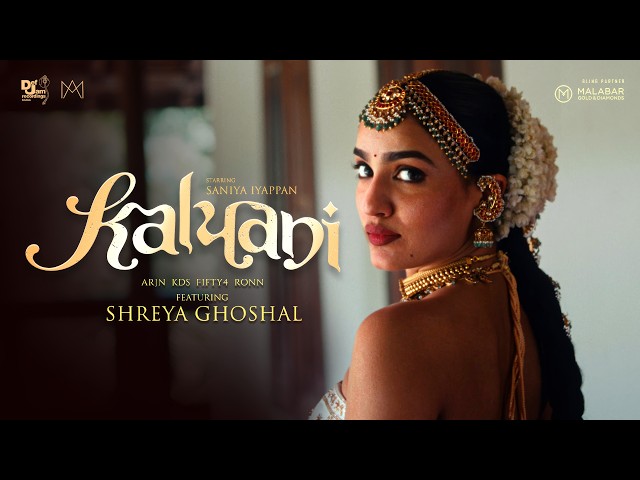
But something more interesting is happening now. Consider Kalyani, the Malayalam independent hit by ARJN, KDS, FIFTY4 and RONN. The original became a major streaming and social media success before its creators collaborated with Shreya Ghoshal. The new version retained Malayalam while adding a Hindi verse, bringing an established Hindi playback voice into the regional song's world rather than simply converting the song into a Hindi product. That reversal matters. The regional artist does not always have to enter the mainstream anymore. Sometimes the mainstream comes to them.
A New Indian Sound
The significance of this moment is not that regional songs are finally becoming popular. They always were. What has changed is who gets to decide when that popularity counts as mainstream. The old system moved largely from regional to Hindi to national. The new one is messier: Tamil to Instagram to Delhi, Marathi to weddings to Bollywood, Mizo to Spotify to audiences beyond the Northeast, and Malayalam indie music to a collaboration with one of India's biggest playback voices. Indian pop culture is no longer being built from one centre outward. It is being built from everywhere, one loop at a time.