Every year on July 7, World Chocolate Day arrives with the same easy affection it has always inspired, a small excuse to enjoy something sweet. But look closer at what people are actually buying and eating, and a quieter shift becomes obvious. Chocolate is no longer just a treat picked up at the checkout counter. For a growing number of people, it has become something closer to wine or specialty coffee—a product worth slowing down for, asking questions about, and paying more for.
A Shift in the Cacao World
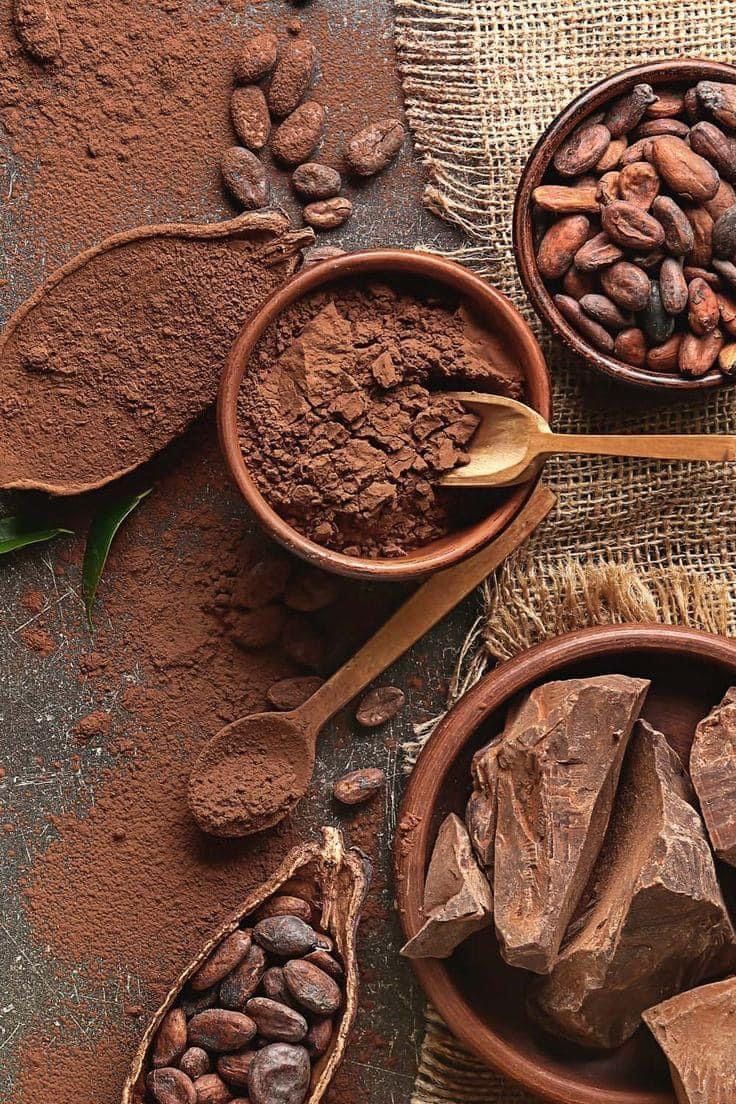
This change has been building for years, largely outside the spotlight. Small bean-to-bar makers have been sourcing cacao directly from specific farms and regions, then crafting it into chocolate with the same attention a winemaker gives a vineyard. Instead of blending beans from multiple countries to create a consistent, mass-market flavour, these makers highlight the differences between origins. A bar made from Madagascar cacao might taste bright and fruity, while one from Venezuela leans rich and nutty. Suddenly, chocolate has terroir.
Learning From Wine and Coffee
That word, terroir, is worth pausing on, because it is exactly the language wine drinkers have used for decades to describe how soil, climate and technique shape flavour. Coffee went through a similar transformation once specialty roasters began talking about altitude, processing methods and single farms rather than generic blends. Chocolate is simply the latest indulgence to get the connoisseur treatment, and the parallels are not accidental. Once people learn to taste subtlety in one product, they start looking for it elsewhere.
Sourcing as Storytelling
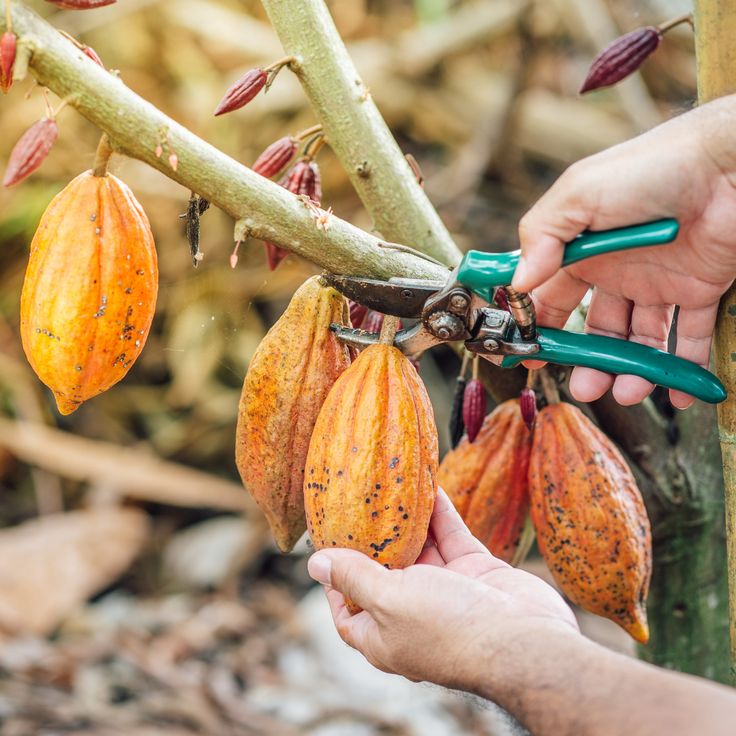
Ethical sourcing has become part of this story too. Shoppers increasingly want to know where their cacao comes from and whether the farmers who grew it were paid fairly. Direct trade relationships, where chocolate makers buy straight from cooperatives or individual farms, have given brands a story to tell beyond flavour alone. That story, more than the packaging or the price tag, is often what convinces someone to choose one bar over another.
Tasting and Gifting, Elevated
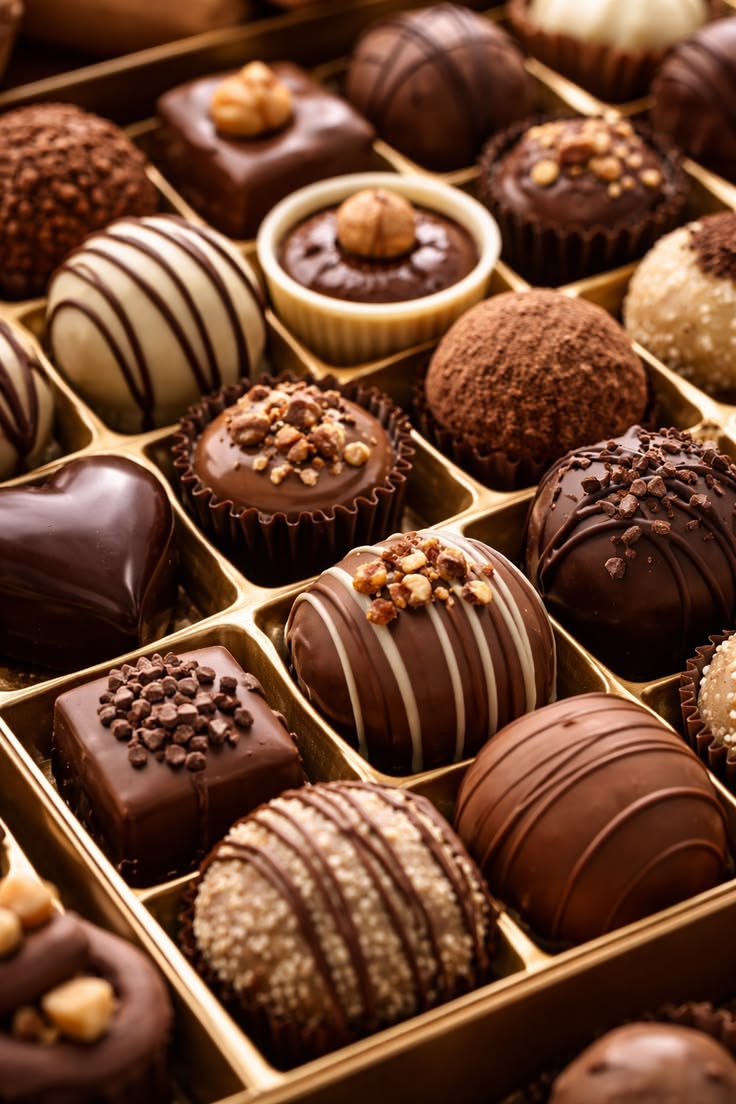
Chocolate tastings have followed a similar path to wine tastings, encouraging people to notice texture, aroma and aftertaste rather than simply enjoying a bite and moving on. Gifting has shifted too. A beautifully boxed selection of single-origin bars now reads as a considered, personal gesture in a way that a supermarket box of assorted chocolates rarely does.
What This Says About Modern Taste
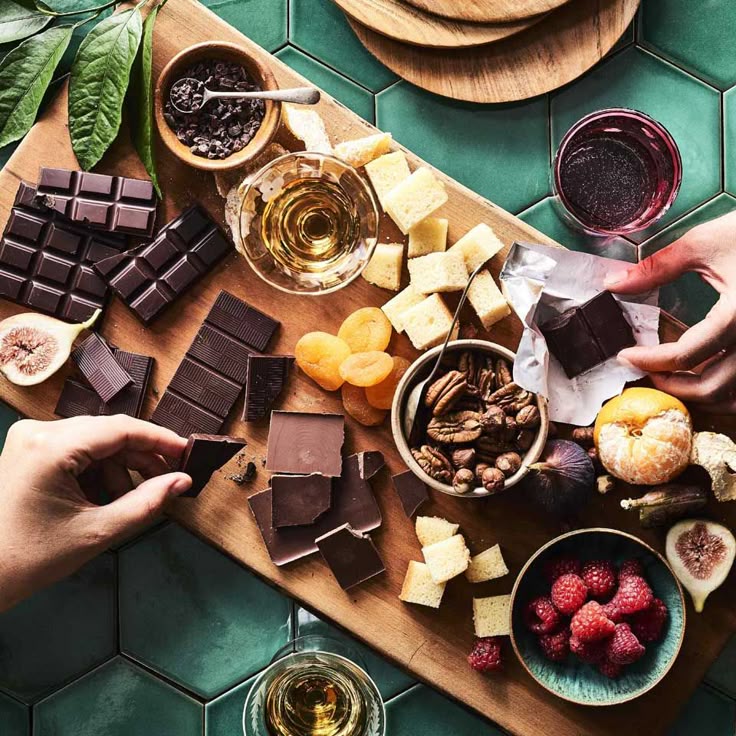
Underneath all of this is a broader change in what people want from the things they buy. Many consumers, especially younger ones, are less interested in owning more and more interested in owning or experiencing something meaningful. They want to know who made a product, how, and why it matters. Mass production still dominates the shelves, but it no longer dominates the conversation.
World Chocolate Day is a fitting moment to notice this shift, not because chocolate suddenly needs celebrating, but because it shows how far an everyday pleasure can travel when people start paying attention to where it comes from.