Stories have always been a quiet companion in our lives, finding us in moments of solitude, confusion, and even joy. On World Book Day, we are reminded of how literature travels across time and space, carrying voices, cultures, and emotions that continue to resonate long after they are written. Some books do more than just tell a story—they leave a mark. They shape the way we think, challenge what we believe, and stay with us in ways we often don’t realise, but not all books stay with us in the same way. Some change the course of literature itself, while others quietly reshape how we see the world. There are stories that challenge us, stories that comfort us, and some that do both at once.
And for this year’s World Book Day, here are five remarkable works—written by Nobel Prize in Literature laureates—that stand out for their literary impact, cultural resonance, accessibility, global voice, and enduring relevance.
One Hundred Years of Solitude—Gabriel García Márquez (1967)
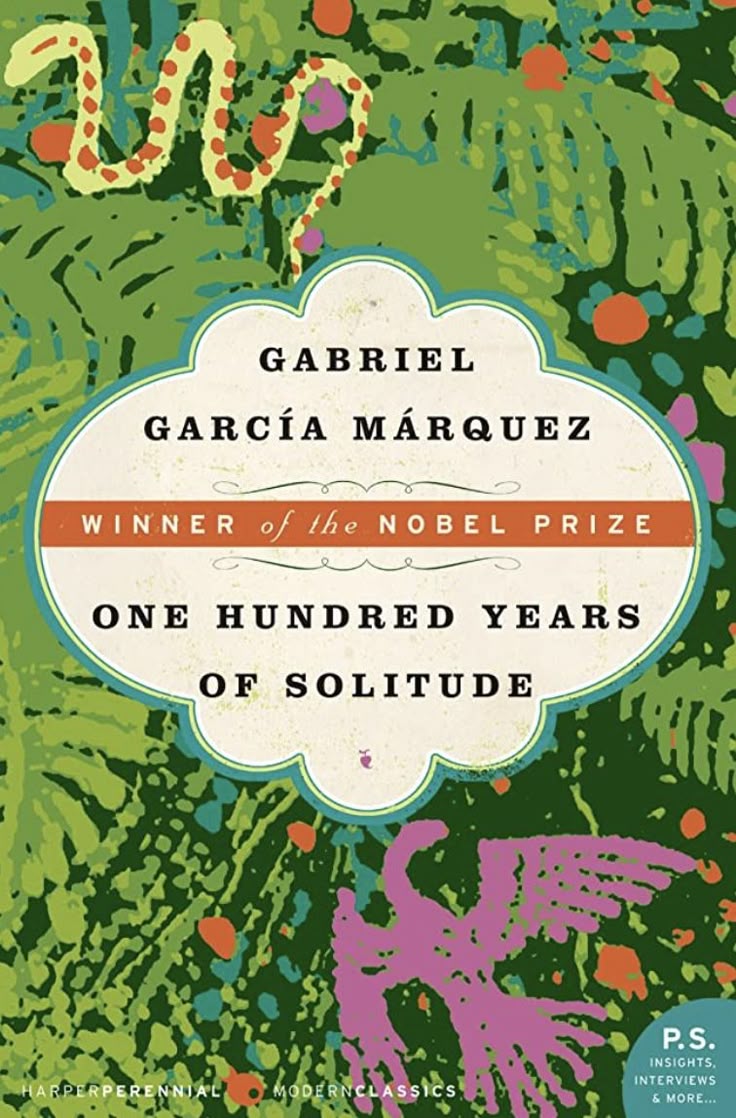
One Hundred Years of Solitude by Gabriel García Márquez follows the lives of the Buendía family over several generations in the town of Macondo. The novel moves through their relationships, struggles, and repeated patterns, showing how the past continues to shape the present. Alongside this, there are unusual moments—like characters interacting with spirits or events that feel almost unreal—but they are treated as a natural part of life. Márquez was awarded the Nobel Prize in Literature in 1982, recognised for transforming storytelling through magical realism. What makes this novel stand out is how effortlessly it blends the real with the magical, creating a world that feels both imaginative and deeply human.
Beloved—Toni Morrison (1987)

Beloved by Toni Morrison follows Sethe, a formerly enslaved woman trying to build a life for herself and her daughter after escaping a traumatic past. But the past does not leave her—it returns in the form of a mysterious girl named Beloved. As the story unfolds, we see how memory, grief, and guilt continue to shape her life. Morrison was awarded the Nobel Prize in Literature in 1993 for her powerful and poetic exploration of the African American experience. What makes Beloved so significant is how it brings history to life through emotion. It does not present the past as something distant but as something that continues to exist within people. It is a story that demands to be felt, not just read.
The Stranger—Albert Camus (1942)
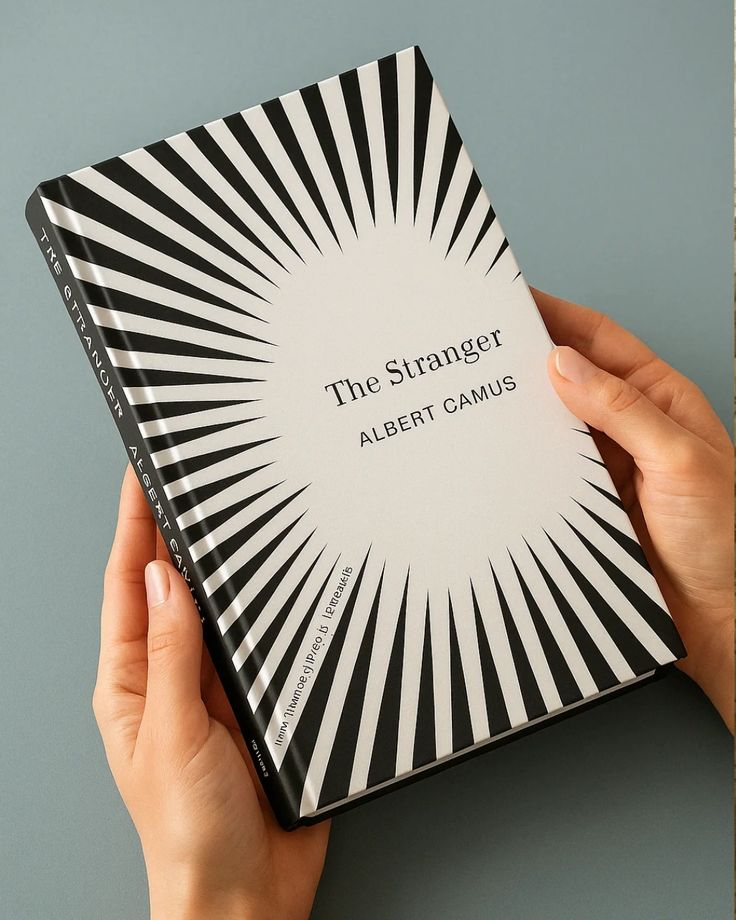
The Stranger by Albert Camus follows Meursault, a man who seems emotionally distant from everything around him. The story begins with the death of his mother, but instead of reacting in expected ways, he remains detached. As the narrative unfolds, a sudden act of violence changes his life, leading to a trial where he is judged as much for who he is as for what he has done. Camus was awarded the Nobel Prize in Literature in 1957, recognised for his contribution to literature that explores the human condition with clarity and depth. What makes The Stranger stand out is its simplicity. The language is direct, and the story is easy to follow, yet it quietly introduces ideas of existence and meaning without overwhelming the reader.
The Years—Annie Ernaux (2008)
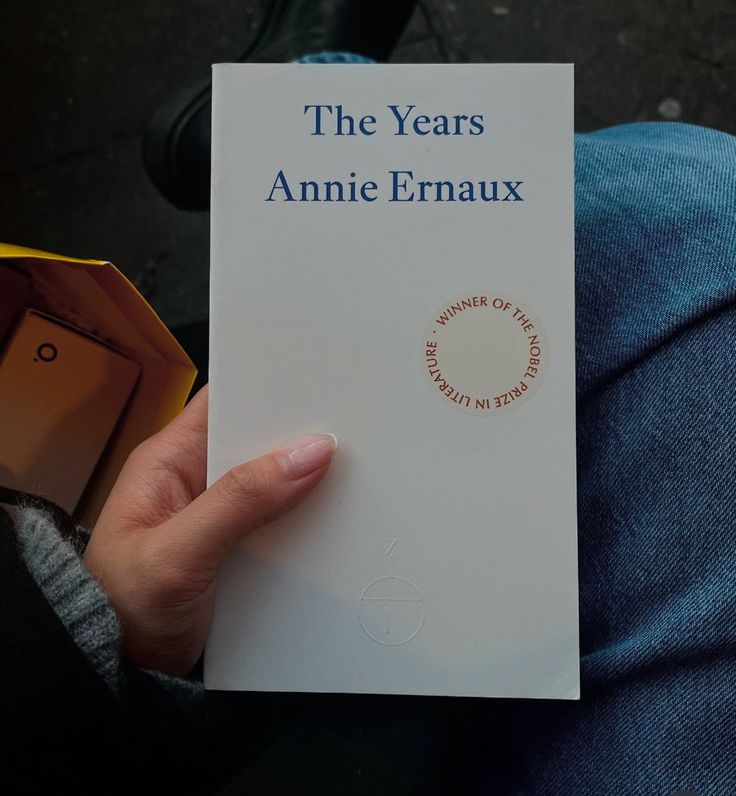
The Years by Annie Ernaux is not built around one central character but instead moves through time, capturing moments from different stages of life—childhood, youth, and adulthood—against the backdrop of changing society. It blends personal memory with collective experience, reflecting how individual lives are shaped by history, culture, and everyday moments. Ernaux was awarded the Nobel Prize in Literature in 2022 for her ability to capture personal experience with honesty and precision. What makes The Years stand out is how it feels both deeply personal and widely relatable at the same time. It does not focus on one voice alone but creates a shared memory that crosses boundaries, making it a powerful reflection of life as it is lived across time and place.
The Vegetarian—Han Kang (2007)
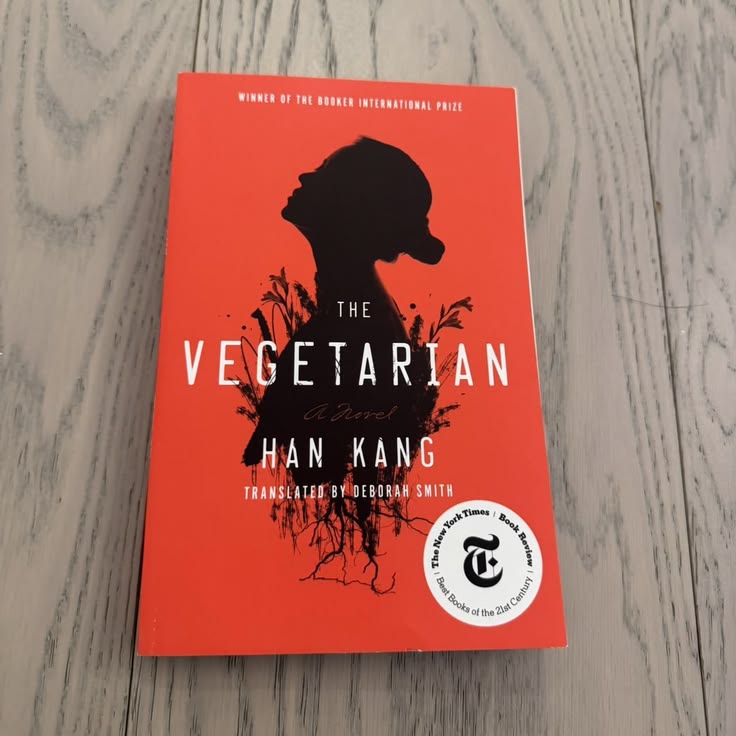
The Vegetarian by Han Kang follows Yeong-hye, a woman who suddenly decides to stop eating meat after a disturbing dream. What begins as a personal choice slowly turns into something much larger, affecting her relationships, her sense of self, and how others perceive her. As the story unfolds, we see her being pushed and controlled by those around her, as they struggle to understand her decision. Han Kang was awarded the Nobel Prize in Literature in 2024, recognised for her intense and deeply reflective writing. What makes The Vegetarian so relevant is how it quietly explores themes of autonomy, control, and identity. It raises questions without giving clear answers, leaving the reader slightly uncomfortable yet deeply thoughtful.
More Than Just Books
And perhaps that is the true beauty of literature—it does not belong to a single time, place, or reader. On World Book Day, these stories remind us that books are more than just pages bound together; they are experiences that continue to evolve with every reader. From shaping the very structure of storytelling to reflecting deep cultural and personal truths, each of these works carries something unique, yet universally felt. They may differ in style, language, and origin, but they all share one thing in common—they stay. Long after the last page is turned, they linger in thought, in feeling, and in the quiet moments in between, waiting to be rediscovered once again.