
Walk through the international aisle of almost any major grocery store today and Korean packaging dominates the shelf. Red packets of fire noodles sit next to pastel cartons of banana milk and foil bags of shrimp crackers. A few years ago these products lived almost entirely inside Korean supermarkets. Now they are becoming default stock at retailers with no obvious Korean angle at all.
Samyang and the Noodle That Would Not Fade
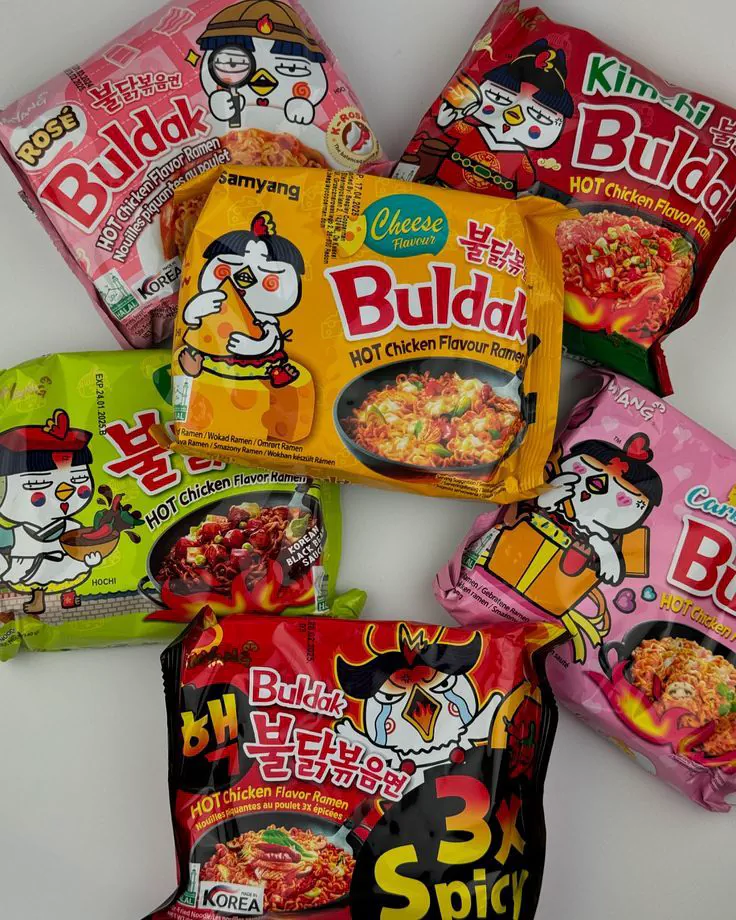
Samyang’s Buldak fire noodles are the closest thing this trend has to an origin story. The instant noodles went viral through the Fire Noodle Challenge, a dare that spread across YouTube and TikTok as people filmed their reactions to the heat. Unlike most viral food moments, this one did not fade once the clips stopped circulating. Samyang has reported climbing overseas revenue for several years running, and the company says Buldak is now sold in more than a hundred countries. BTS member Jimin and Blackpink’s Rose are both known fans of the product, a detail that keeps the noodles tied to the K-pop audience already paying attention.
Nongshim’s Bet on the Global Convenience Store
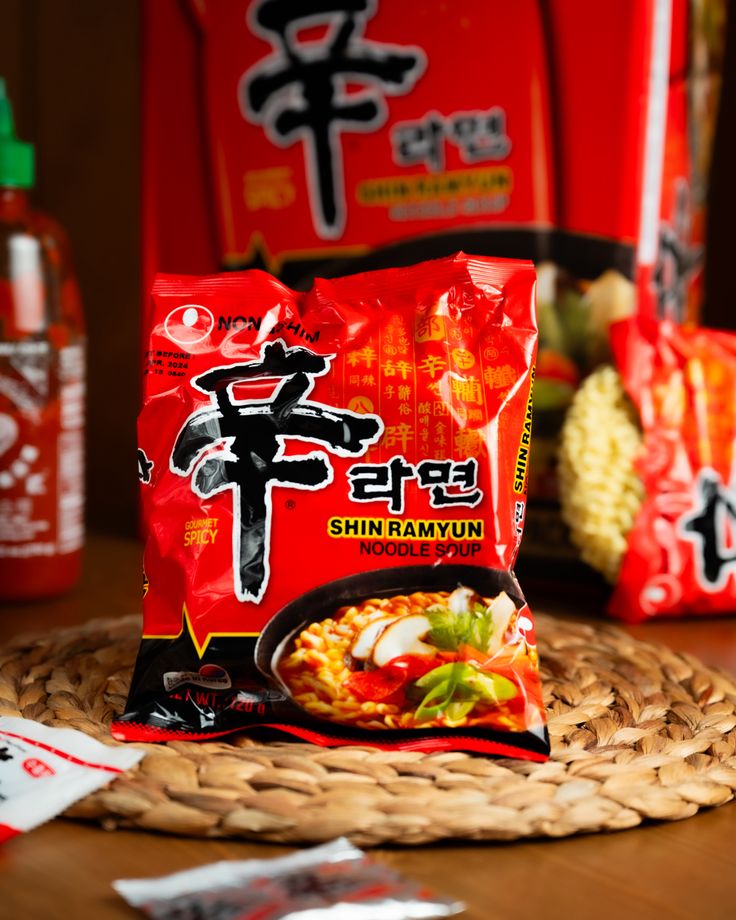
Nongshim built its reputation on Shin Ramyun, and the company has pushed hard to make that reputation international. At Anuga, the world’s largest food trade fair, Nongshim set up a Shin Ramyun tasting bar and introduced a new kimchi fried noodle variant aimed squarely at markets outside Korea. The move reflects a broader strategy of exporting not just the product but the experience, one built around the same instant, snackable convenience that defines Korean corner stores like CU and GS25.
Orion and Lotte Turn Snacks Into Souvenirs
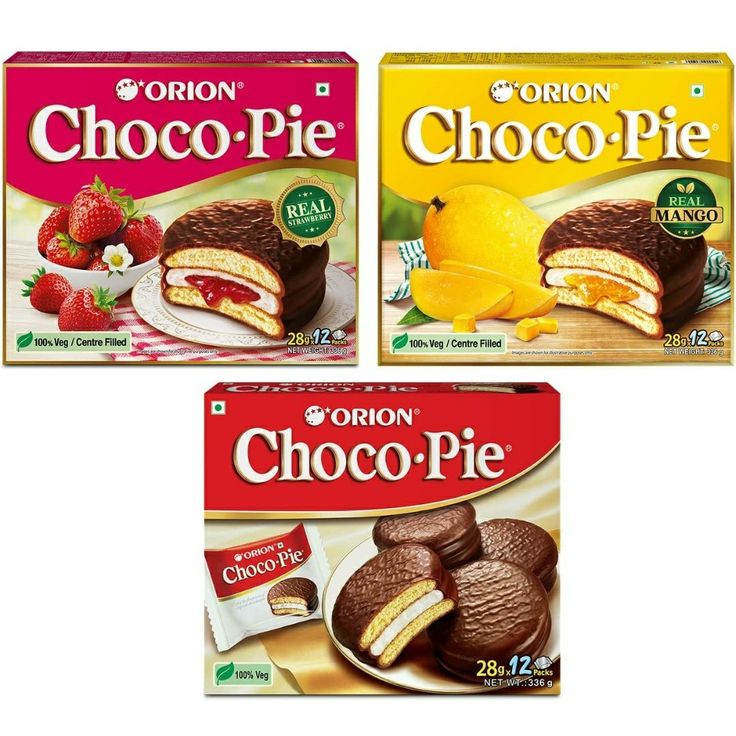
Some Korean snacks have become associated with the country itself. Orion’s Choco Pie has sold billions of units since its launch and remains a steady favorite with foreign tourists, regularly ranking as a top seller among visitors shopping at Lotte Mart’s flagship Seoul Station store. Lotte’s own Pepero, a thin chocolate covered biscuit stick, has become well known enough abroad that the company opened its first overseas Pepero factory in India this year, part of a push that has carried the snack into more than fifty countries and past one hundred million packs shipped worldwide.
Binggrae and CJ Bibigo Move Past the Snack Aisle
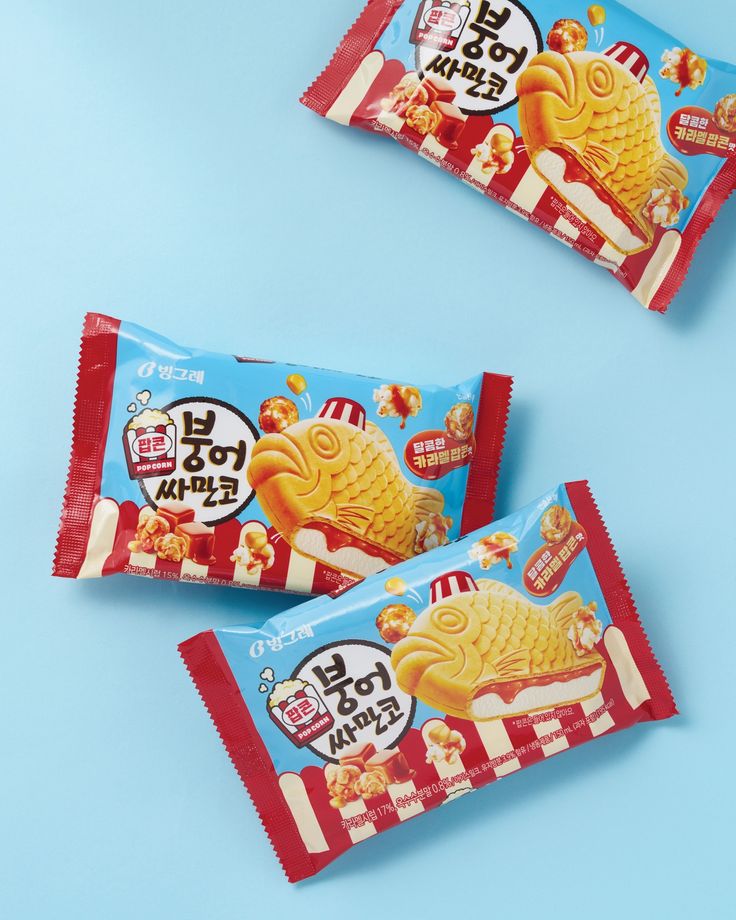
The appetite is not limited to chips and cookies. Binggrae introduced its Bungeoppang Samanco, a fish shaped ice cream sandwich, to European buyers for the first time at Anuga, betting that dessert can travel as well as noodles. CJ, meanwhile, has shown that Korean food can succeed well beyond snacking. Driven largely by its Bibigo line of dumplings, rice and kimchi, CJ Cheiljedang’s international sales neared four billion dollars, evidence that consumer trust built on snack shelves is translating into frozen food aisles too.
What the Brands Have in Common
Each of these brands sells a different product, but they share a strategy. Bold, layered flavor, packaging built to be photographed, and a willingness to show up at the trade fairs and store shelves customers already frequent. Retailers are not creating this demand. They are catching up to it.