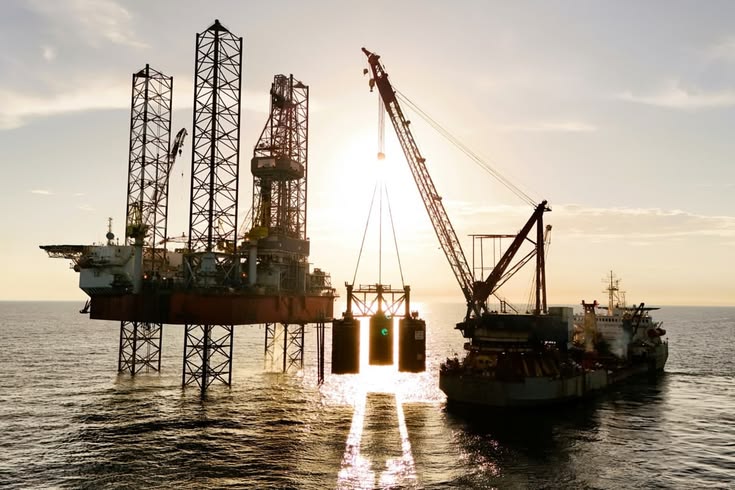
The escalating tensions involving Iran, Israel, and the United States have once again exposed the fragile link between geopolitics and global energy markets. The Middle East remains one of the world's most important oil-producing regions, and conflicts here often trigger immediate volatility in global fuel prices.
A critical concern is the Strait of Hormuz, a narrow shipping corridor through which nearly 20% of the global oil supply passes each day. Any threat to this route can quickly disrupt supply chains and send crude prices soaring.
The ripple effects extend beyond oil. The conflict is also affecting the supply of Liquefied Petroleum Gas (LPG)—a key household and industrial fuel. With large volumes of LPG linked to energy production in the Middle East, geopolitical tensions are tightening global supply and pushing prices upward.
Current Situation: Rising Oil Prices and Economic Pressure
Energy markets have already reacted sharply. Benchmark Brent Crude prices have surged from around $70 per barrel to above $100, reflecting fears of supply disruption and prolonged geopolitical uncertainty.
Higher crude prices quickly ripple across economies. Transportation costs rise, manufacturing becomes more expensive, and inflationary pressure intensifies. Industries such as aviation, logistics, petrochemicals, and manufacturing are especially sensitive to these fluctuations.
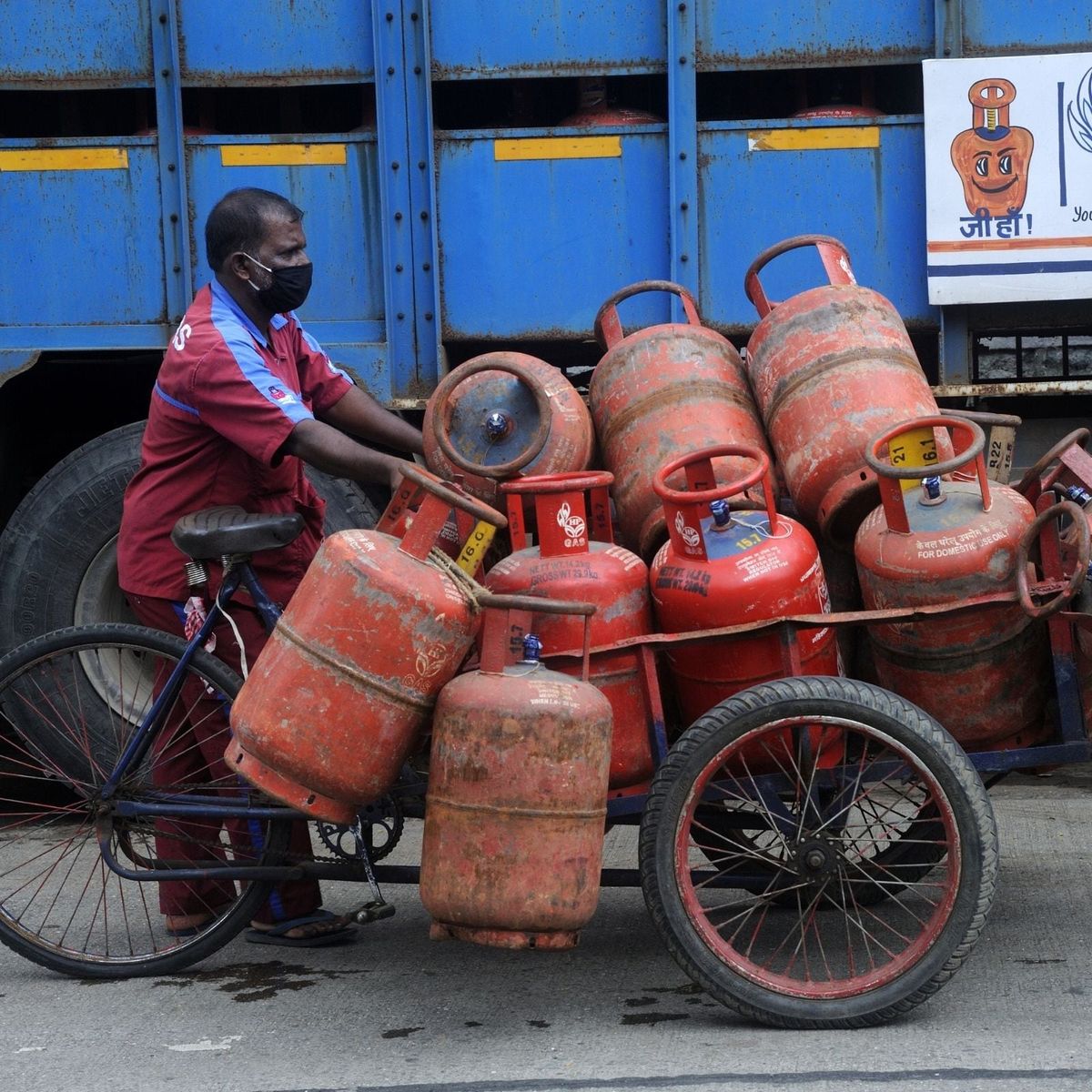
The LPG market is also under strain. Shipping risks and refinery disruptions have tightened global LPG availability, increasing import costs for many countries.
For India, the impact is particularly significant. The country imports nearly 85% of its crude oil and more than 60% of its LPG consumption. Rising energy prices increase India's import bill, widen the current account deficit, and put pressure on the rupee.
Consumers ultimately feel the impact through higher fuel prices and rising costs of goods and services. In several regions, higher import costs and distribution challenges have also led to localised LPG supply constraints.
Strategic Responses: Managing the Energy Shock
To mitigate the impact, governments are deploying strategic petroleum reserves and diversifying crude import sources. India has expanded procurement from multiple suppliers while accelerating investments in renewable energy and electric mobility.

Policymakers are also strengthening LPG storage capacity and import infrastructure to prevent future supply disruptions.
Geopolitical analyst Jiang Xueqin warns that the conflict could evolve into a prolonged geopolitical contest, meaning global energy markets may face continued volatility.
What Lies Ahead: Energy Transition and Supply Resilience
If diplomatic efforts ease tensions and shipping routes remain secure, global oil markets may gradually stabilise. However, the current crisis could also accelerate structural changes in global energy systems.
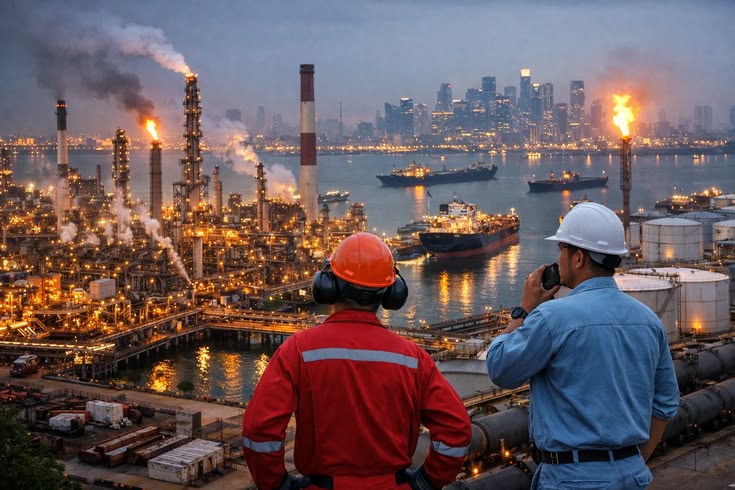
Countries are likely to increase investments in renewable energy, diversify supply chains, and strengthen strategic reserves. For India, expanding renewable capacity, improving refining infrastructure, and diversifying LPG imports could significantly strengthen long-term energy security.
Final Verdict: A Wake-Up Call for Energy Security
The conflict involving Iran, Israel, and the United States highlights how quickly geopolitical tensions can disrupt global energy systems. Rising oil and LPG prices ripple across economies, driving inflation and exposing the vulnerabilities of import-dependent nations.
For India, the crisis is a strategic wake-up call. Reducing dependence on imported energy through diversified supplies, stronger reserves, and accelerated renewable adoption is no longer just a policy objective—it is essential for long-term economic resilience in an increasingly uncertain energy landscape.