Financial emergencies can arise when we least expect them. A sudden medical expense, job loss, urgent home repairs, or vehicle breakdown can quickly disrupt your monthly budget. While many people rely on credit cards or loans during such situations, these options often lead to additional financial stress due to interest and repayment obligations.
This is where an emergency fund becomes essential. It acts as a financial safety net that helps you handle unexpected expenses without affecting your long-term financial goals. Whether you are a student, a working professional, or running a business, having an emergency fund can provide both financial security and peace of mind.
What Is an Emergency Fund?
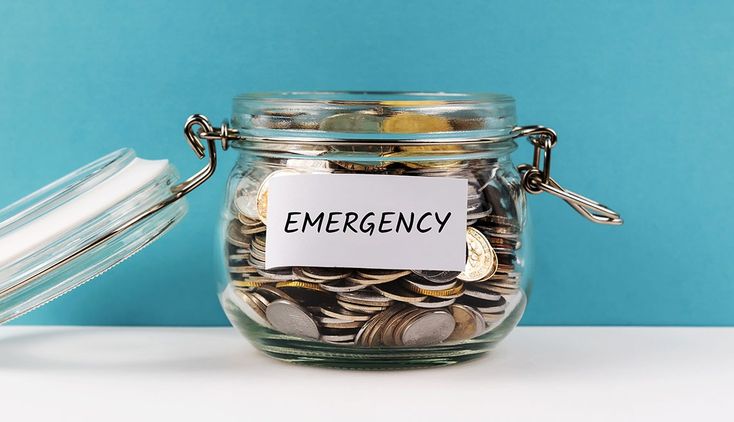
An emergency fund is a dedicated amount of money set aside specifically for unexpected expenses or financial emergencies. Unlike your regular savings, this fund is not meant for shopping, vacations, gadgets, or planned purchases. It should only be used when you face a genuine financial emergency.
Some common situations where an emergency fund can be useful include:
- Medical emergencies not covered by insurance
- Sudden job loss or reduction in income
- Emergency home repairs
- Unexpected vehicle repairs
- Family emergencies requiring immediate financial support
Having money readily available during these situations allows you to focus on solving the problem instead of worrying about arranging funds.
Why Everyone Needs an Emergency Fund
Many people believe they can start saving later because they currently have a stable income. However, financial emergencies rarely come with a warning. A single unexpected expense can force someone to borrow money or break long-term investments.
An emergency fund offers several benefits:
Financial Security
Knowing that you have money set aside for emergencies reduces financial uncertainty. You are less likely to panic when unexpected expenses arise.
Avoiding Debt
Without emergency savings, many people rely on personal loans or credit cards. An emergency fund helps you avoid high-interest debt and keeps your finances under control.
Protection During Job Loss
Losing a job can create immediate financial pressure. An emergency fund can help cover essential expenses such as rent, groceries, utility bills, and insurance while you search for a new source of income.
Peace of Mind
Financial stress affects both mental and physical well-being. Having an emergency fund provides confidence that you are better prepared to deal with unexpected situations.
How Much Should You Save?

Financial experts generally recommend saving enough to cover three to six months' worth of essential living expenses. These expenses usually include:
- House rent or home loan EMI
- Groceries
- Utility bills
- Transportation
- Insurance premiums
- Children's education expenses
- Essential medical costs
For example, if your monthly essential expenses are ₹30,000, your emergency fund should ideally be between ₹90,000 and ₹1,80,000.
However, if saving this amount seems difficult, don't let it discourage you. The most important step is to begin with whatever amount you can comfortably save and gradually build the fund over time.
How to Build an Emergency Fund
Building an emergency fund does not require a large salary. It requires consistency and discipline.
Start Small
You don't need to save thousands of rupees immediately. Even saving ₹500 or ₹1,000 every month is a good beginning. Small contributions can grow into a meaningful fund over time.
Set a Monthly Savings Goal
Treat your emergency savings like a monthly bill. Decide on a fixed amount and transfer it to your savings account as soon as you receive your income.
Keep the Money Separate
Maintain a separate savings account dedicated to your emergency fund. This reduces the temptation to spend the money on non-essential purchases.
Cut Unnecessary Expenses
Review your monthly spending and identify areas where you can reduce expenses. Dining out less frequently, cancelling unused subscriptions, or limiting impulse purchases can help increase your savings.
Save Windfall Income
If you receive a bonus, tax refund, cashback rewards, or festival gifts, consider putting a portion of that money into your emergency fund instead of spending it all.
Where Should You Keep Your Emergency Fund?
Your emergency fund should be easily accessible while remaining safe. Many people choose:
- A regular savings account
- A high-interest savings account
- A liquid mutual fund (after understanding the associated risks and withdrawal process)
Avoid locking your emergency savings in investments that may take time to redeem or fluctuate significantly in value, as the purpose of this fund is quick access during emergencies.
Common Mistakes to Avoid

While building an emergency fund, avoid these common mistakes:
- Using the fund for shopping or vacations
- Keeping all your emergency savings in risky investments
- Stopping contributions after reaching a small milestone
- Ignoring inflation and rising living expenses
- Not rebuilding the fund after using it
Remember, if you withdraw money for a genuine emergency, make it a priority to rebuild the fund as soon as your financial situation improves.
Final Thoughts
An emergency fund is one of the simplest yet most effective ways to strengthen your financial future. It does not make emergencies disappear, but it helps you face them with greater confidence and less financial stress.
Building an emergency fund is not about how much you earn—it is about developing the habit of saving consistently. Even small monthly contributions can make a significant difference over time. By starting today, you create a financial cushion that protects you and your family from life's unexpected challenges while helping you stay focused on your long-term financial goals.