There was a time paying for chai meant fishing out coins, maybe waiting for the vendor to break a note. Now you scan a QR code, type a PIN, and you’re done in five seconds. Somewhere in that upgrade, money quietly stopped feeling like money.
Built for speed
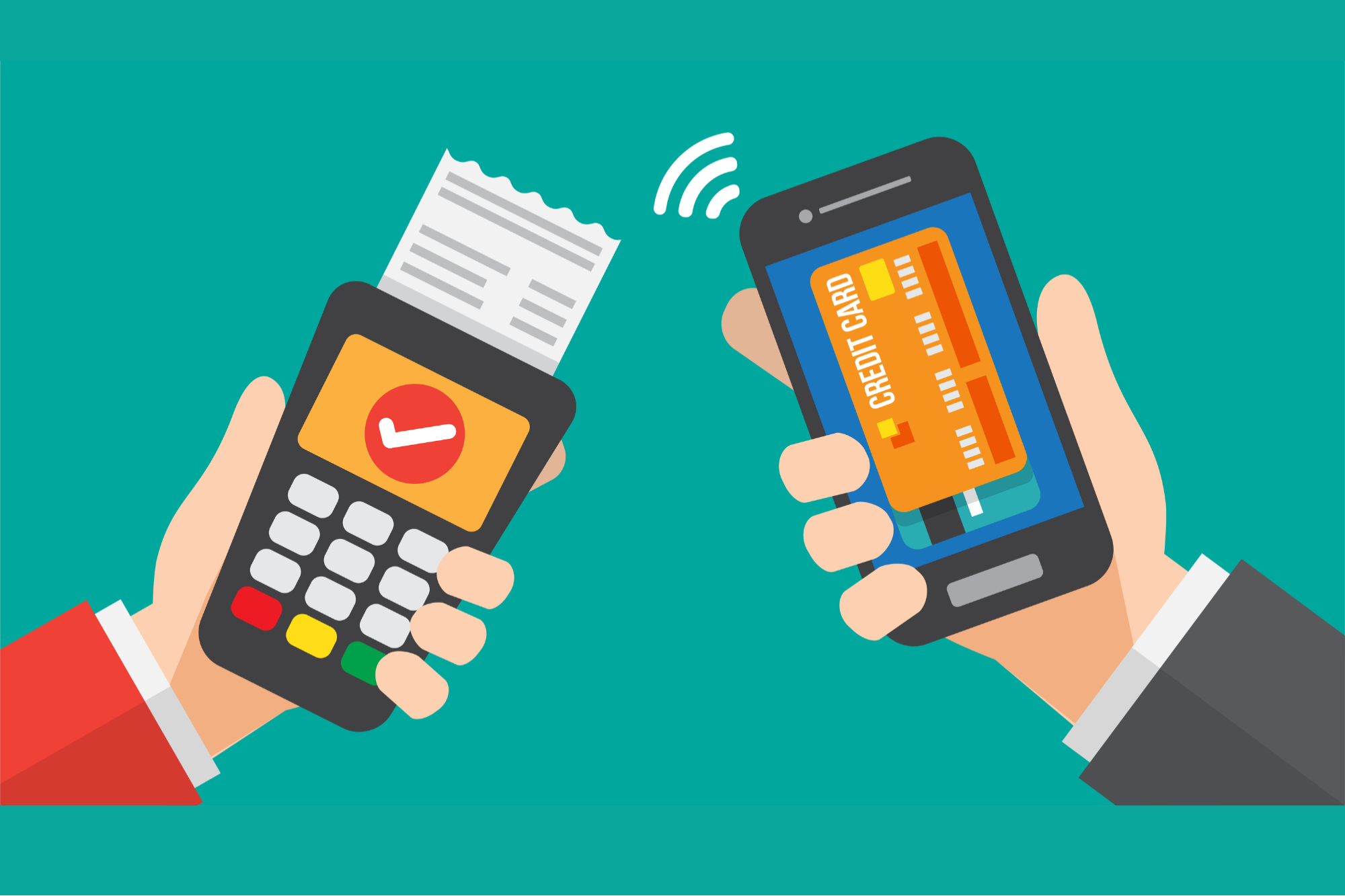
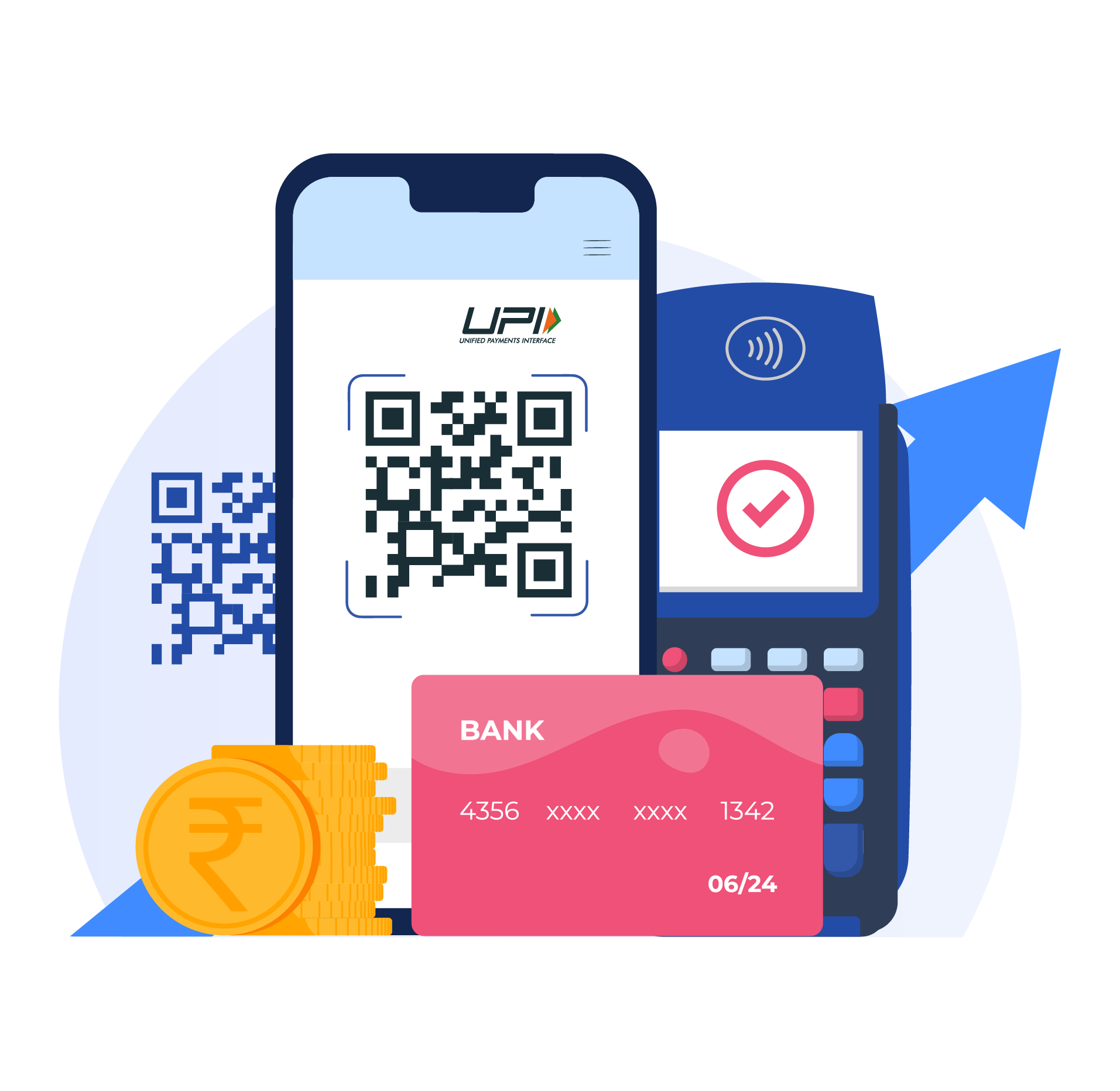
PhonePe, Google Pay, Paytm: whichever one you use, the experience is much the same. Type a phone number or scan a code, and the payment is done. No notes to count, no change to wait for, nothing to physically hand over. It works so smoothly that you barely register it as spending, which says a lot about how well these apps are built.
Cash used to hurt a little
There’s an actual name for this in behavioural economics: the “pain of paying.” Researchers Drazen Prelec and George Loewenstein introduced the concept in a 1998 paper on the mental accounting of spending and debt, describing how parting with cash tends to register as a small psychological cost in a way that other payment methods don’t. The famous finding often cited alongside it—that people bid roughly twice as much for the same items when paying by card instead of cash—comes from related auction experiments Prelec ran with Duncan Simester a few years later, in 2001. Together, the research points the same way: paying by card or app tends to sting less than handing over cash. Later studies have found broadly similar patterns, though the size of the effect seems to depend a lot on the person and the purchase. Still, the basic idea has held up well over the years.
One tap, and it’s already done
Saved UPI IDs, one-click checkout balances, auto-debit mandates that renew themselves quietly every month. Each of these removes a small pause that used to sit between wanting something and actually buying it. CRED, for instance, turns paying your credit card bill on time into something that earns you CRED coins and the occasional cashback, instead of the old routine of logging into three different bank apps. It’s a genuinely useful convenience—and, like most conveniences, it also tends to smooth over the moment where you might otherwise pause and think twice.
That ₹20 cashback is a nudge, not just a discount
Getting ₹20 back on a ₹500 order feels like you’ve saved money. It’s also a gentle invitation to transact again. Scratch cards, reward points, small streaks and badges: some version of this shows up across most Indian payment apps, and it’s a fairly standard way for any rewards program to encourage repeat use. The real effect tends to show up less in how much you spend per transaction and more in how often you tap pay—worth noticing about your own habits every now and then.
So what do you actually do about it?
Digital payments are quicker and safer than cash, and they leave a paper trail cash never could. Most apps will happily show you exactly where your money went last month. The trick is actually opening that screen once in a while: check your UPI statement, turn on transaction alerts, or just pause for two seconds before the one-tap buy. The money hasn’t stopped mattering. It’s just gotten a lot better at staying quiet.