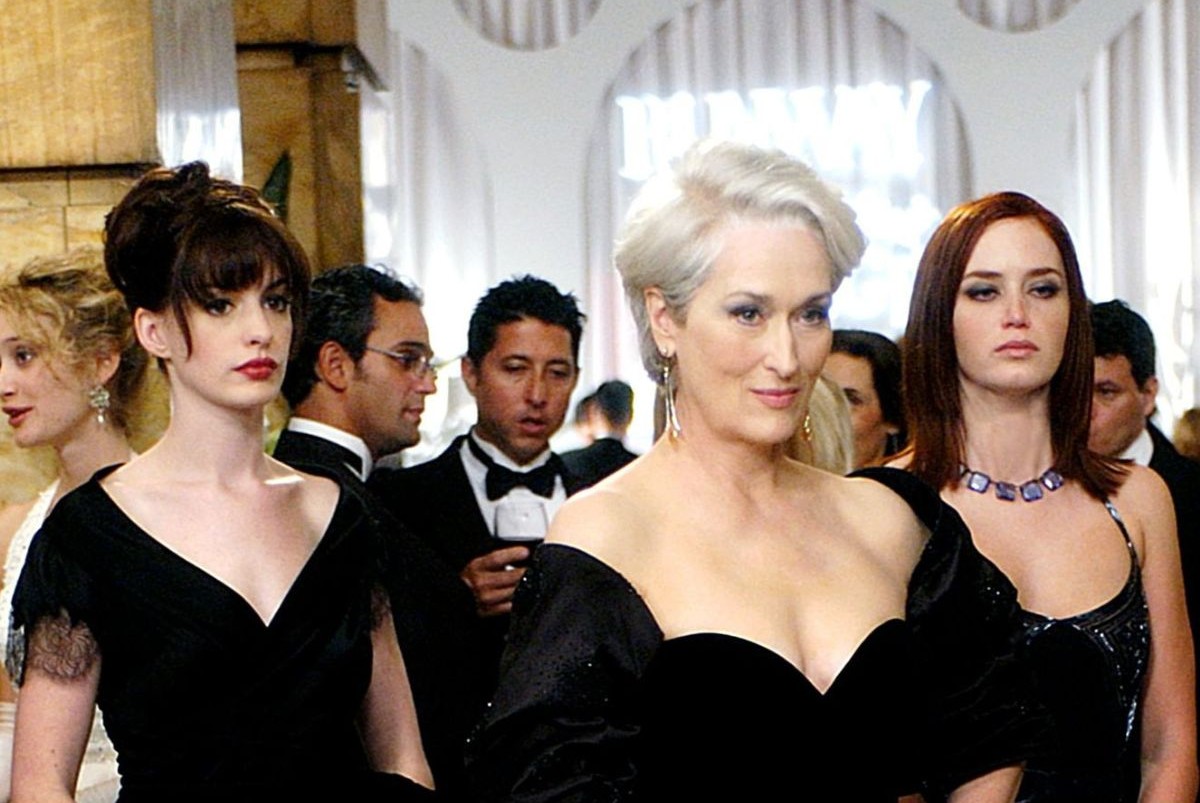
Before a character says who they are, their clothes often tell us. From a carefully chosen colour to a changing silhouette, costume has become one of cinema’s quietest—and most powerful—storytelling tools. Sometimes, a character tells us who they are without saying a word. It can happen through an oversized jacket, a perfectly tailored suit, a faded kurta or a dress in a colour we have already learned to associate with them. We notice what they wear before we fully understand why they wear it.
That is the quiet power of costume in cinema. Fashion has always been part of movies, but today, it increasingly feels like it is doing more than making characters look convincing. It is helping build their personalities, their worlds and even their transformations.
When Clothes Become Character Development
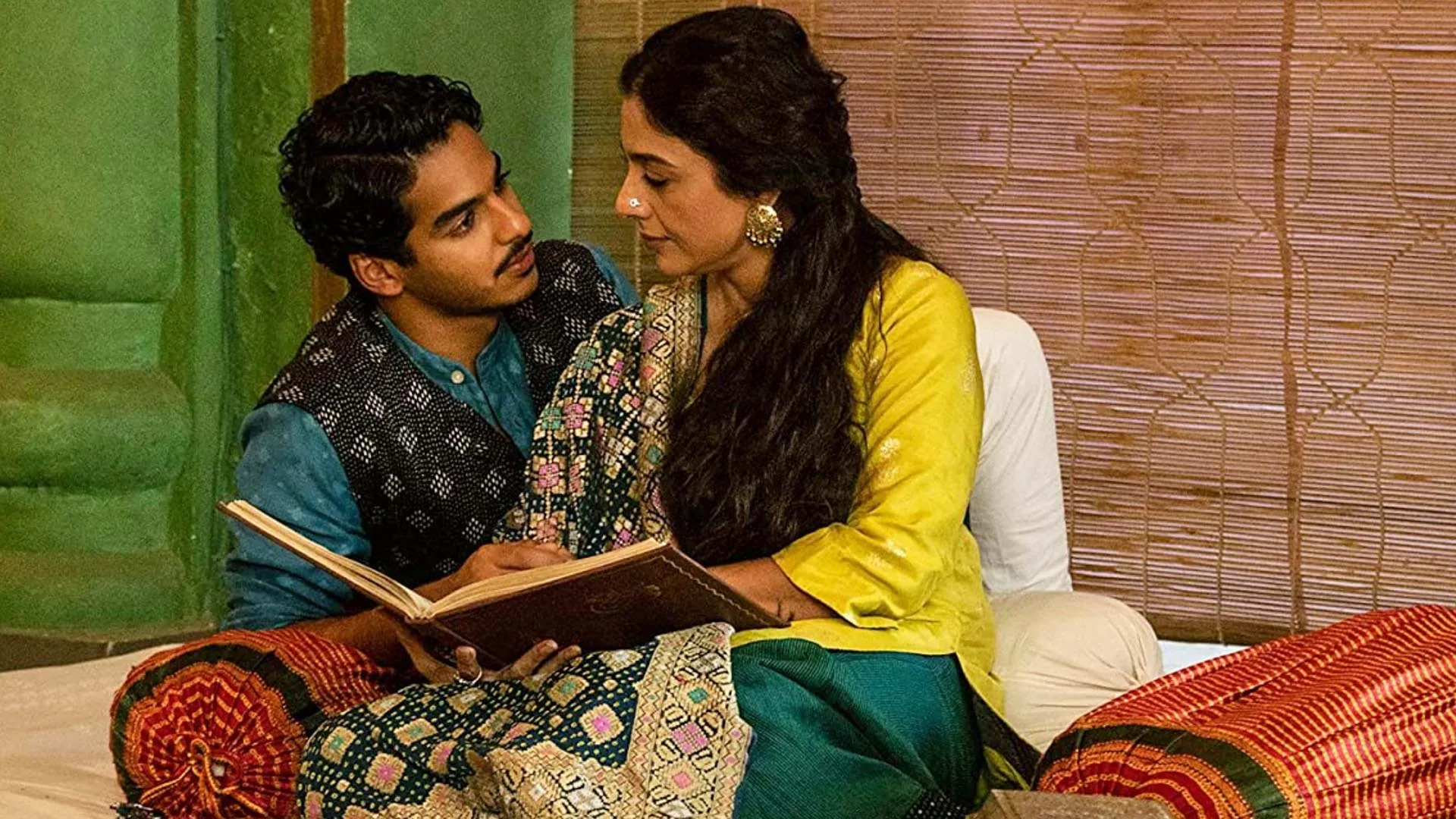
Think about a character at the beginning of a film and then look at them again near the end. Often, something has changed. The clothes may have become sharper, looser, darker, brighter or simply more comfortable. A character who once dressed to fit into their surroundings may eventually begin dressing entirely for themselves. These changes can be subtle enough that we barely notice them consciously. But they still register.
In A Suitable Boy, costume designer Arjun Bhasin spoke about using colour palettes and textiles to distinguish characters, describing costume as part of the larger alignment between production design, camera and storytelling.The clothes are not simply sitting on the character. They are moving with the character.
The Wardrobe Can Say What Dialogue Doesn't
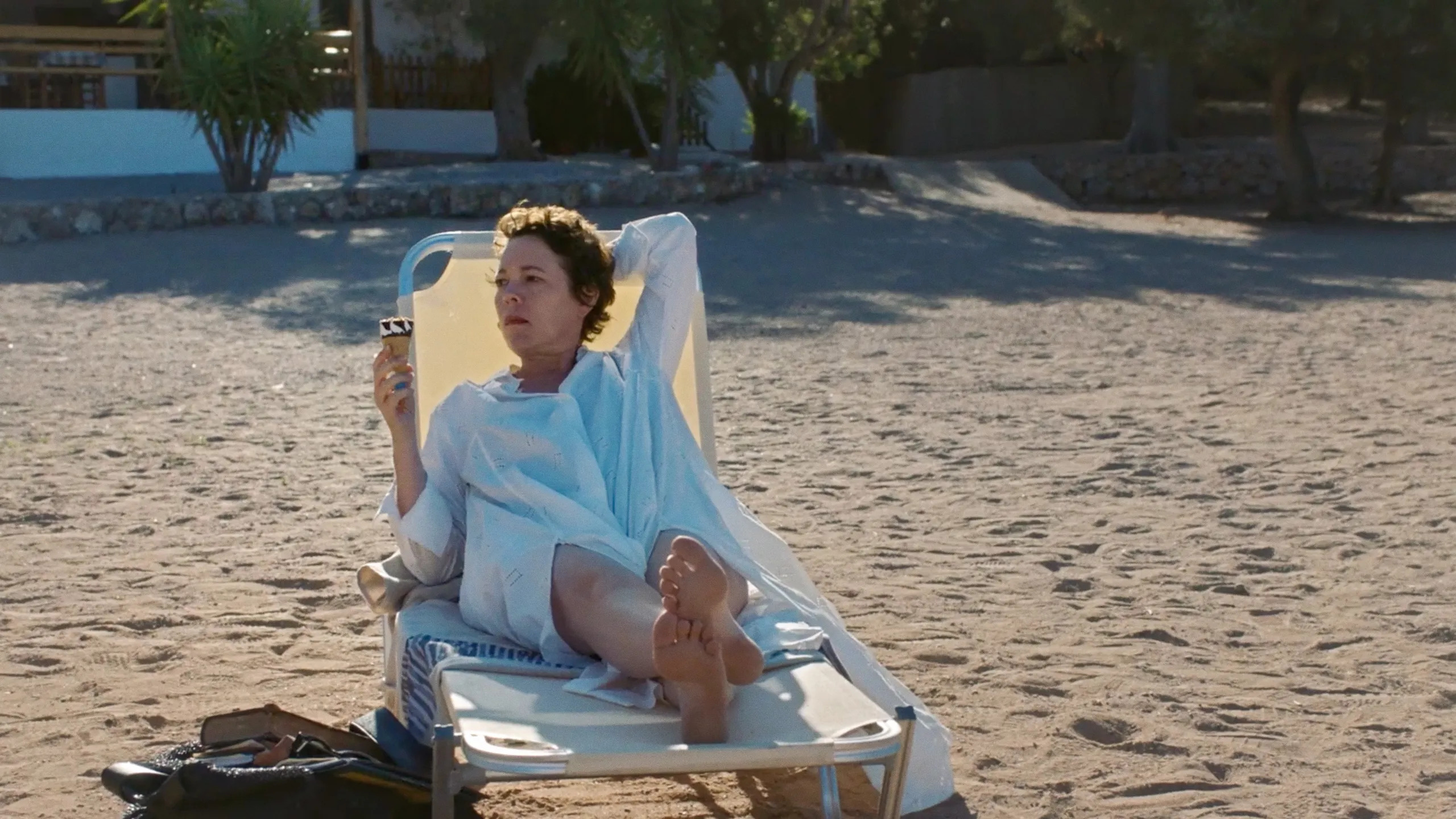
A character doesn't always have to tell us that they feel trapped, powerful, insecure or out of place.Their wardrobe can do it for them. Netflix's Persuasion, for instance, used Anne Elliot's clothing to establish her as someone who does not quite fit into the world around her. Costume designer Marianne Agertoft drew from figures such as Patti Smith and Audrey Hepburn to create a heroine whose attitude felt deliberately more modern than the period setting around her. In The Lost Daughter, Leda's increasingly loosened and less controlled wardrobe mirrors the emotional disruption taking place within her.These choices work because clothing is something audiences understand instinctively.
We know what it means when someone overdresses for a situation. We recognise the confidence of a sharply tailored suit. We notice when someone suddenly stops caring about how they look. Cinema simply turns those everyday observations into visual language.
We Remember the Clothes Because We Remember the Character
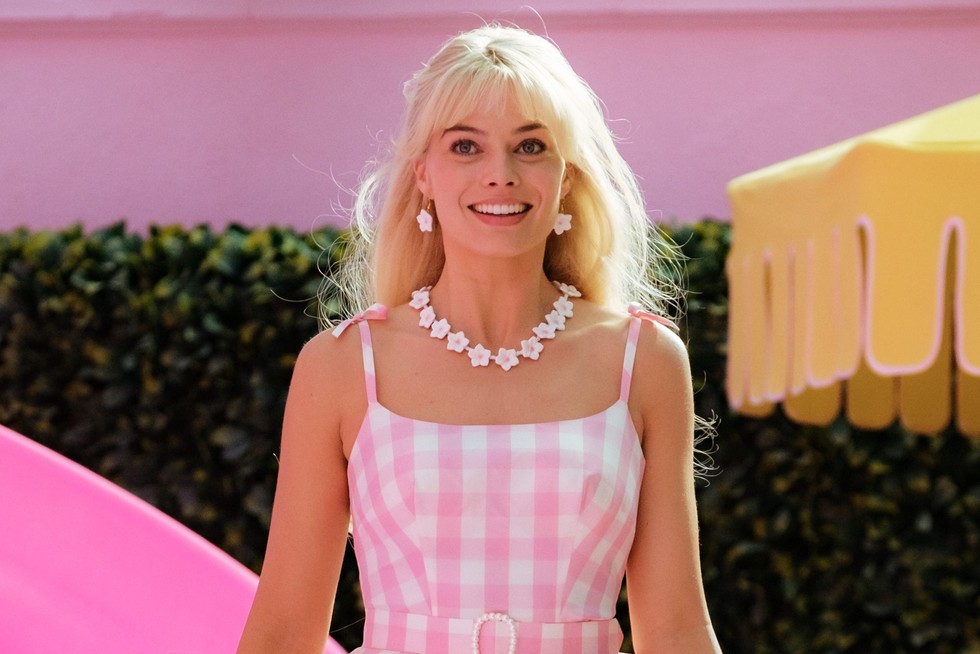
There is also a reason certain film costumes become cultural objects long after the movie itself has ended. We remember Holly Golightly's little black dress. We remember the pinks of Barbie. We remember the sharply defined wardrobes of The Devil Wears Prada. We remember characters not just by their faces or dialogue, but by silhouettes, colours and details that become inseparable from them.The clothes become part of the character's mythology. And increasingly, filmmakers seem to understand that a memorable costume does not have to be spectacular. Sometimes the most effective wardrobe is one that feels so natural to the character that we forget someone deliberately designed it.
The Best Costume Doesn't Look Like Costume
Perhaps that is what makes great costume design so interesting..At its best, it doesn't announce itself. It doesn't stop the story to say, Look at this beautiful outfit. Instead, it quietly tells us something we haven't been told yet. Who is this person? Where do they come from? What do they want people to think of them? Who are they becoming? By the time the audience understands the character, the wardrobe may have already told us.
And perhaps that is why fashion has become such an important part of contemporary screen storytelling. Because sometimes the most revealing line a character can deliver is not a line at all. It is what they choose to wear.