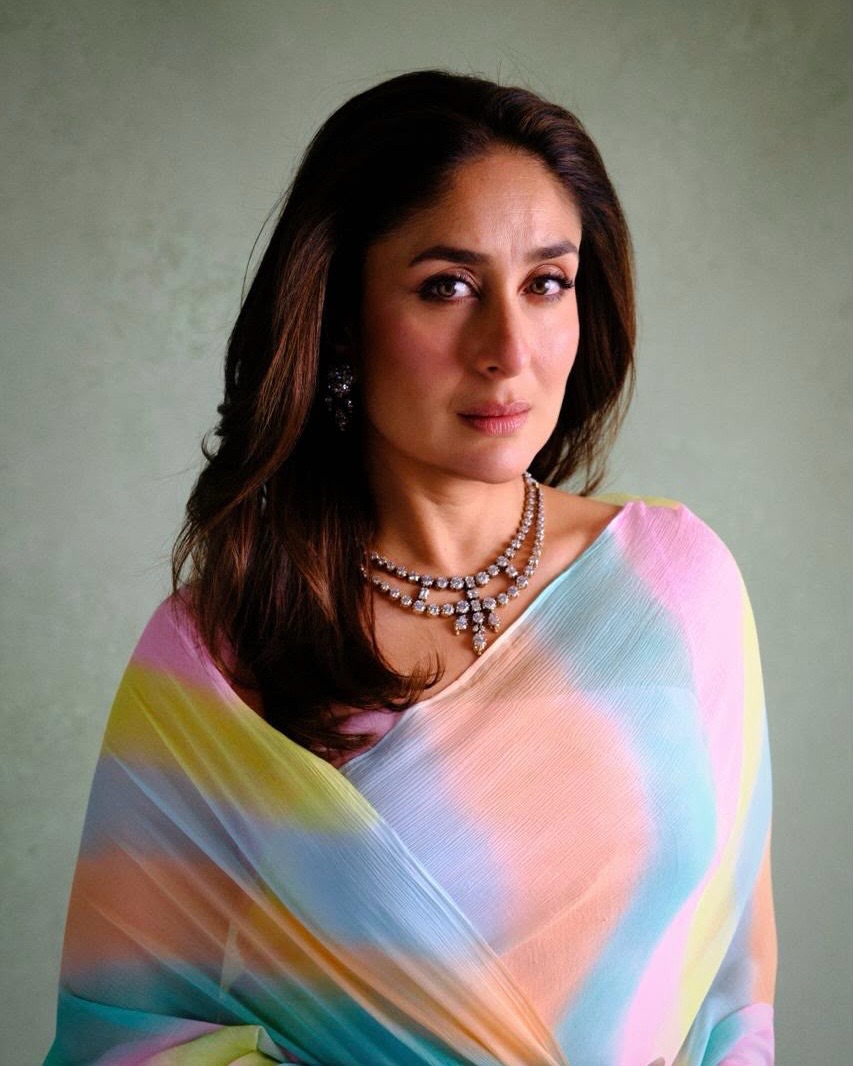
There was a time when a film's trailer was the first thing people discussed after a Bollywood announcement. Today, it is the outfit the lead actor wore to the airport before flying to the promotional event. This shift — quiet but significant — reflects a fundamental change in how celebrity culture operates in India and what people are actually consuming when they follow their favourite stars.
The Promotion That Became the Product
Film promotions in India have always been a spectacle. But somewhere between the multiplex era and the social media age, the promotional circuit transformed from a marketing tool into a fashion event of its own. Today, a major Bollywood release comes with a meticulously curated wardrobe plan — city-wise looks, stylist credits, brand collaborations and coordinated couple outfits that are planned weeks before the film reaches theatres.
The audience that shows up for these appearances is not always the same one that shows up for the film. Millions follow promotional tours entirely for the fashion — tracking outfit changes across Mumbai, Delhi and Jaipur legs of the same tour — without any particular investment in the film itself. The clothes have become the content.
The Airport Look and What It Started
The airport look is perhaps the clearest illustration of this shift. Kangana Ranaut has openly credited herself with starting the trend of treating the airport as a runway in India — and the culture she helped build has since become its own media vertical. Every major celebrity arrival at Mumbai's Chhatrapati Shivaji Maharaj International Airport is now photographed, published and analysed within hours. The outfit is rated, the brand is tagged, the price is researched and the styling is either celebrated or critiqued — all before the film's release date is even confirmed.
What began as candid paparazzi photography has evolved into a structured performance. Stylists coordinate airport looks with the same intention applied to red carpet appearances. The outfit communicates the film's mood, the celebrity's current positioning and the brands they are aligned with — all through a single ensemble worn for a flight.
Cannes, Premieres and the New Red Carpet Economy
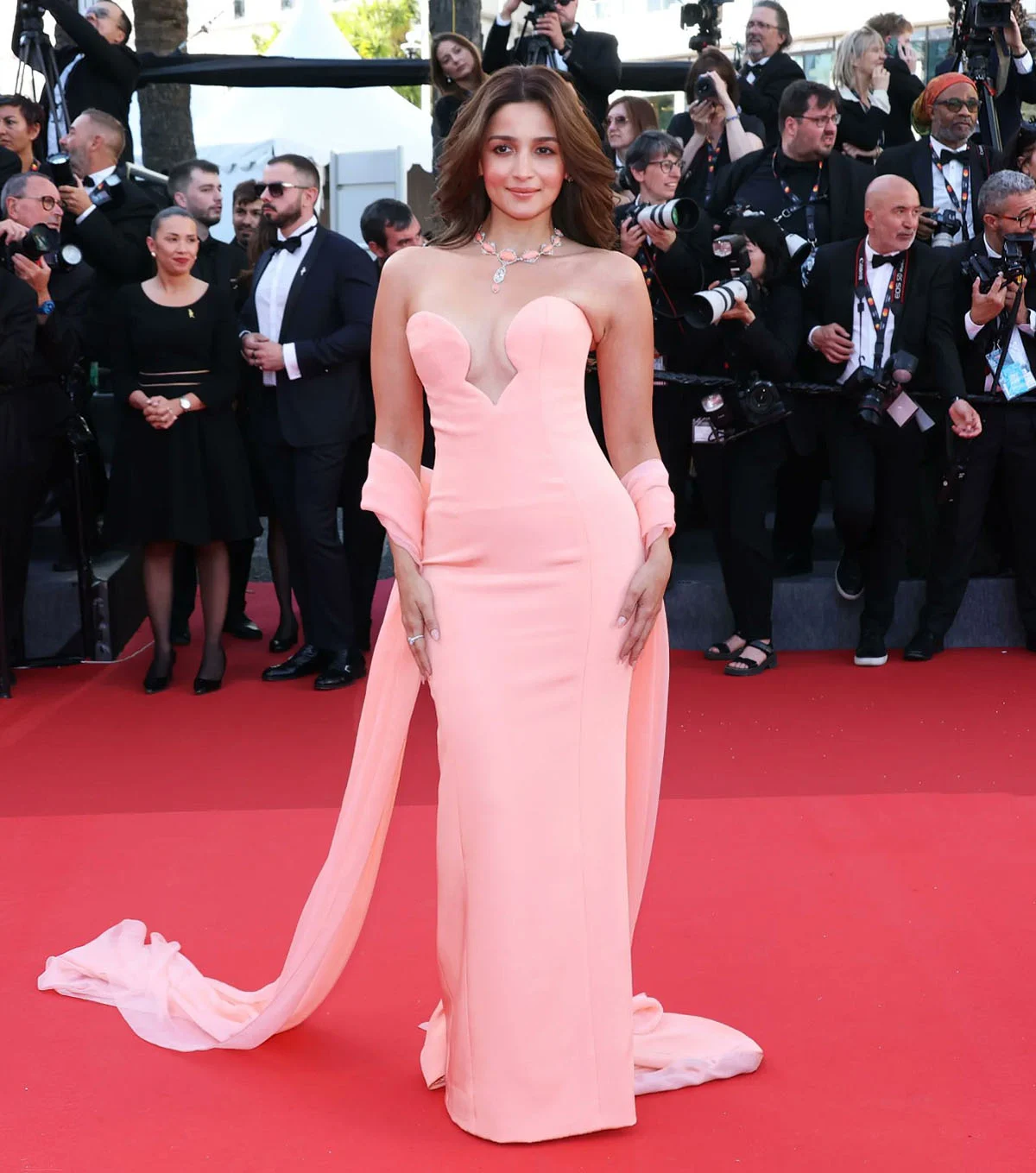
At the international level, Bollywood's presence at events like the Cannes Film Festival has demonstrated how completely fashion has overtaken cinema as the primary conversation. At Cannes 2026, Alia Bhatt represented India as a L'Oréal Paris global ambassador — and while the festival is fundamentally about cinema, the discourse around India's participation was almost entirely about her blush-toned Tamara Ralph couture gown and her vintage-inspired daytime looks. The films screened were secondary to the fashion documented on the Croisette.
This is not unique to international events. The premiere of Aryan Khan's debut directorial in 2026 drew as much coverage for the celebrity fashion assembled in the audience as for the film itself. The red carpet had become the event — the film, the reason to gather for it.
Why This Is Happening — The Social Media Factor
The mechanics behind this shift are not complicated. Social media, and Instagram in particular, rewards visual content with immediate and measurable engagement. An outfit photograph generates likes, saves, shares and brand searches within minutes of posting. A film review takes time to write, read and form an opinion on. In a media environment optimised for speed and visual impact, fashion wins every time.
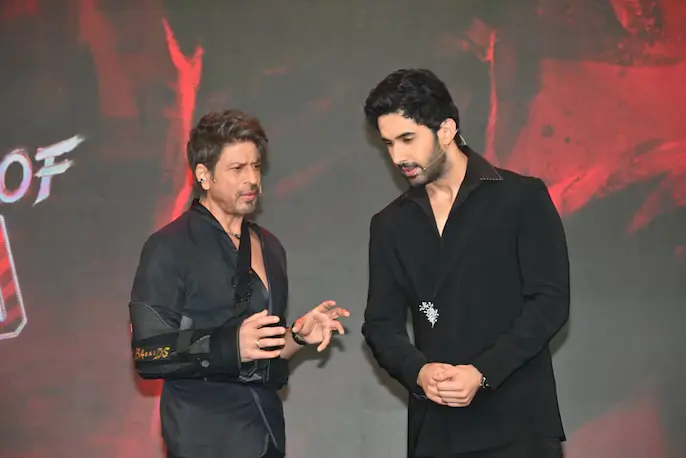
For celebrities, this creates a clear incentive — the promotional wardrobe is now as important a career investment as the film itself. A well-executed promotional fashion run can elevate a celebrity's cultural presence regardless of the film's box office performance. The clothes speak when the trailer cannot.
Final Thought
The growing importance of celebrity fashion over film promotion is not a sign that cinema is losing relevance — it is a sign that the way people engage with celebrity culture has fundamentally expanded. The film remains the reason the machine runs. But the outfits, the airport looks, the red carpet moments and the promotional tours have become a parallel culture that now stands entirely on its own. For the Indian fashion industry, this is an opportunity. For the audience, it is simply a new way of watching.