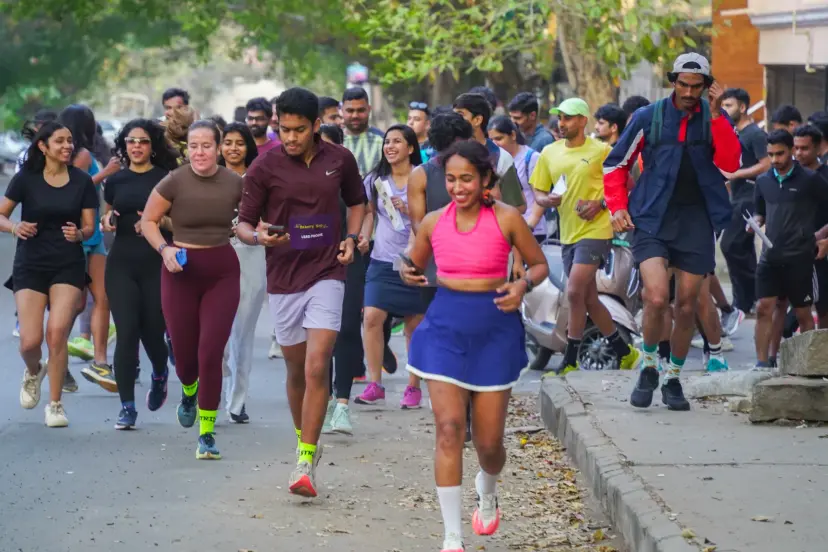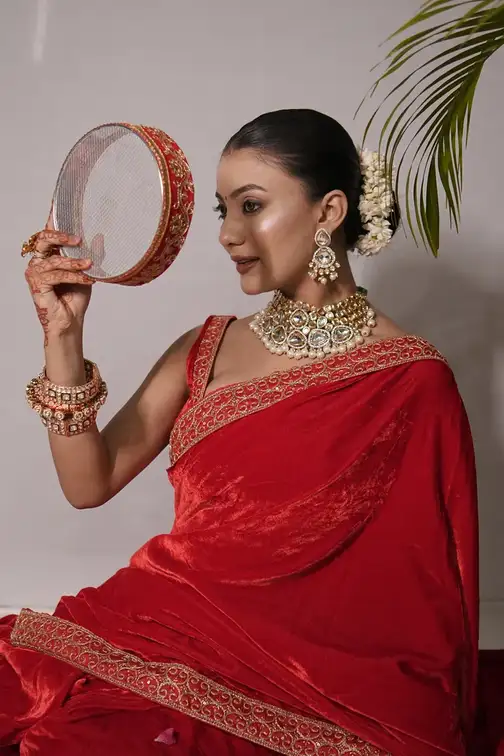
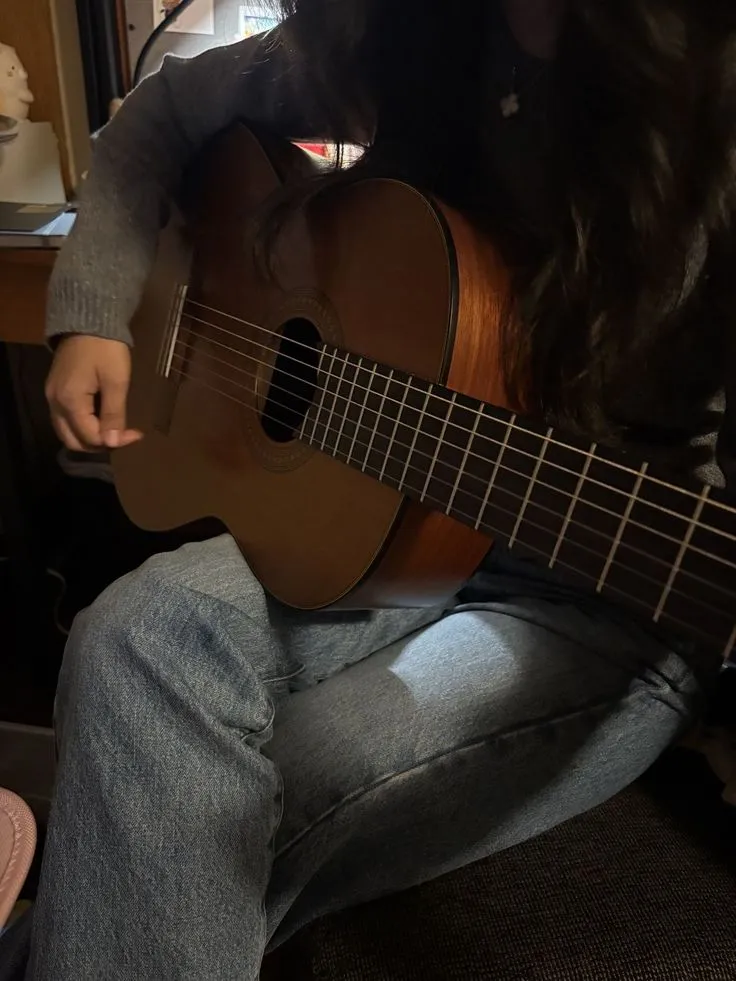
There was a time when hobbies were simply hobbies. People painted because they enjoyed mixing colours. They learned the guitar to play a few favourite songs. They baked cakes that leaned to one side and knitted scarves with uneven stitches. There was no expectation that these activities would become a business, attract thousands of followers, or prove a hidden talent.
Today, that expectation often feels unavoidable. Social media celebrates polished results and productivity culture encourages us to improve every skill. Even leisure can begin to feel like another item on a to-do list. Against this backdrop, a quiet shift is taking place. More adults are choosing activities they know they may never master, and that is exactly the point.
The rise of the happy beginner
Pottery studios are full of first-timers. Community choirs welcome people who have never sung on stage. Local art classes, gardening clubs, knitting circles and film photography groups continue to grow. Many participants are not chasing perfection. They are looking for a place where it is acceptable to be a beginner.
Why it feels so good
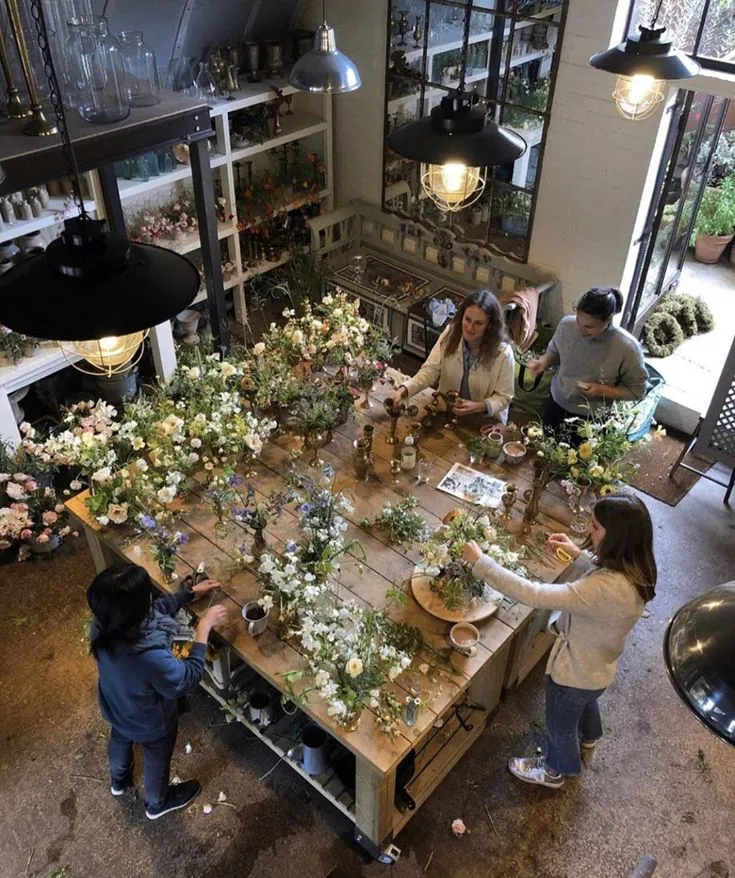
Psychologists have long argued that play has value beyond achievement. Activities done purely for enjoyment can lower stress, improve mood and offer a break from constant performance. Research on leisure and well-being also suggests that creative hobbies can help people recover from work-related stress and build a stronger sense of satisfaction with everyday life.
This change is also a response to burnout. Many people spend their working hours meeting targets, answering emails and measuring success through numbers. A hobby with no scorecard offers something different. It creates room for curiosity instead of competition.
Creating without an audience
There is another reason this movement feels refreshing. Not everything needs to become content. More people are choosing to keep parts of their lives private. They attend a dance class without filming it or finish a sketchbook without posting every page online. The value lies in the process rather than the applause.
The freedom to stay an amateur
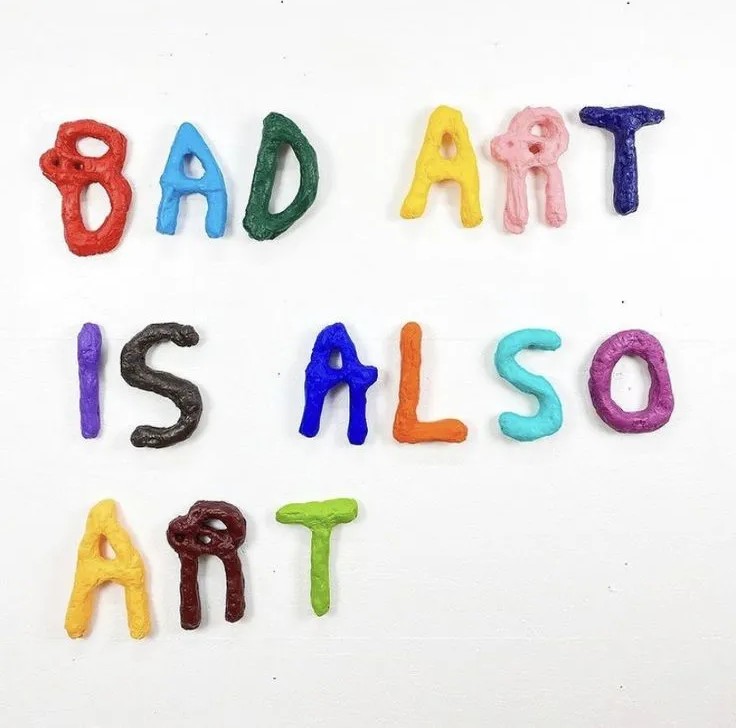
Being a beginner reminds us how learning actually works. Progress is rarely neat. It requires patience, mistakes and repetition. In a culture that celebrates instant expertise, allowing ourselves to be inexperienced can feel surprisingly freeing.
Perhaps that is why this trend resonates with so many people. It is not really about pottery, painting or knitting. It is about reclaiming time that does not have to be useful in the traditional sense. The greatest reward of a hobby may not be becoming good at it. It may be remembering that some of the best parts of life are worth doing simply because they make us feel more human.