For generations, Indian beauty came with a familiar set of instructions. Fair skin, long hair, a slim figure, youthful features and a certain kind of femininity formed an almost unspoken checklist. From matrimonial advertisements to beauty commercials and Bollywood screens, the message was rarely subtle: some faces were considered more desirable than others but the picture is changing. Today, Indian fashion and beauty campaigns are making room for darker skin tones, different body types, natural hair, ageing faces and identities that were once pushed to the margins. The idea of what an “Indian beauty” looks like is no longer quite as singular as it once was.
Yet there is a question worth asking: have we moved beyond beauty standards, or have we simply learned to make them look more inclusive?
The Faces We See Are Changing
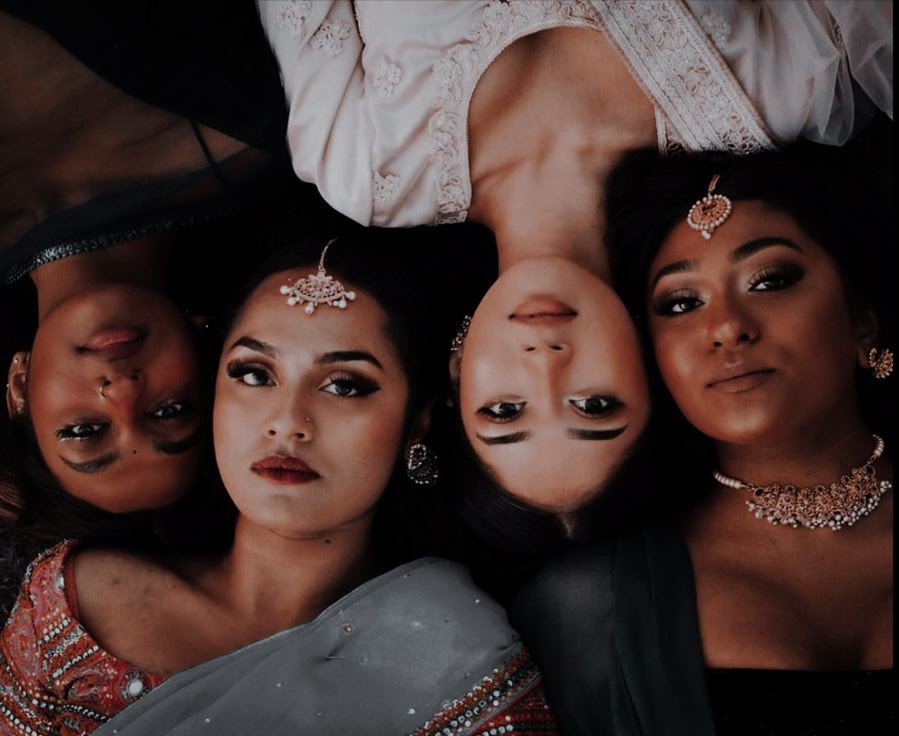
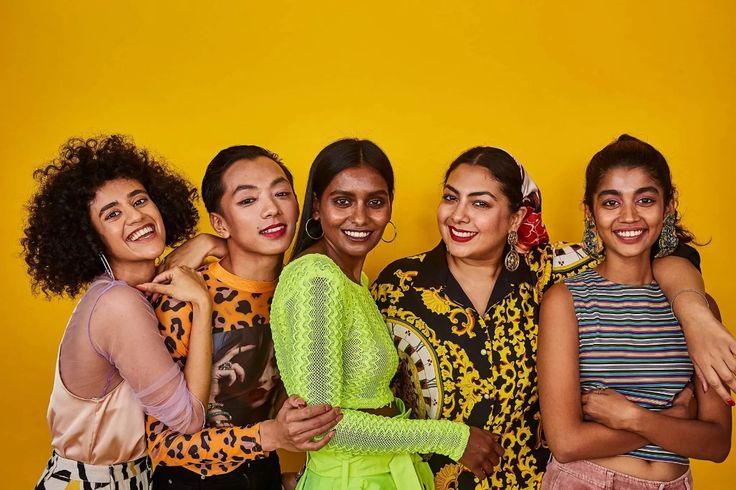
Representation matters because visibility can change what people believe is possible. Models and public figures who do not fit the traditionally narrow beauty ideal have increasingly found space in Indian fashion, entertainment and digital culture. The shift can be seen in the growing visibility of diverse skin tones, body shapes and gender identities. Trans voices such as designer Saisha Shinde have brought conversations around identity and representation into mainstream fashion, while social media has allowed creators with acne, textured skin, curly hair, stretch marks and unconventional features to build audiences without waiting for traditional gatekeepers to approve them.
Even beauty advertising has begun to move away from the unapologetic language of “fairness.” The vocabulary has evolved towards words such as glow, radiance and brightening, reflecting a broader cultural discomfort with openly promoting fairness as the ultimate beauty goal. But changing the language does not necessarily mean changing the desire behind it.
The New Beauty Ideal Is Everywhere
The internet has given people more freedom to define beauty for themselves, but it has also made comparison almost impossible to escape. The old beauty ideal may have told women to be fair and thin. The new one can ask them to have clear skin, a toned body, perfect hair, defined features and an effortlessly polished appearance—all while looking “natural.” Social media has turned beauty into something constantly visible and measurable. Filters smooth skin, reshape faces and alter proportions before an image even reaches an audience. Beauty treatments and cosmetic procedures can further blur the line between enhancement and expectation. The irony is difficult to miss. We may have rejected one impossible beauty standard only to inherit thousands of smaller ones.
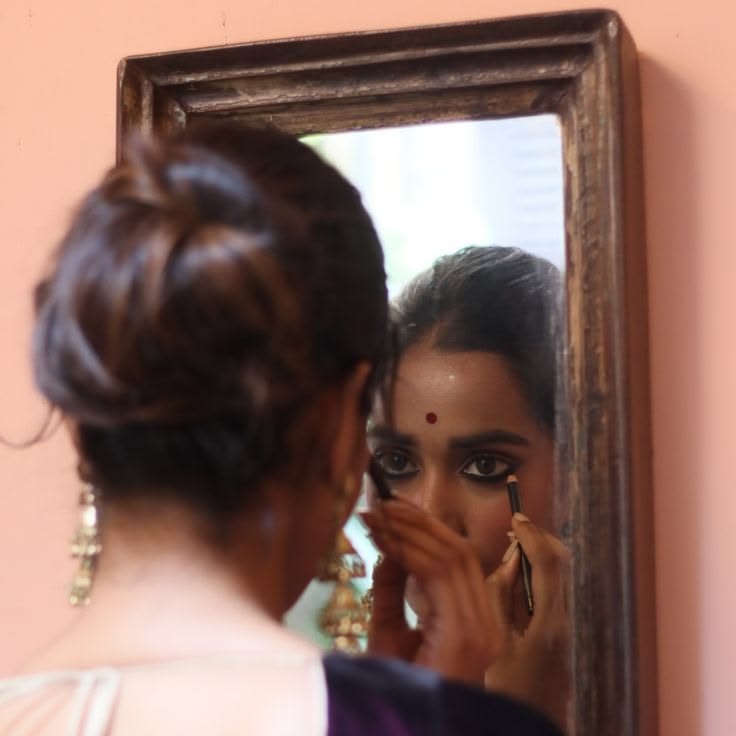
Instead of being told to look exactly like a particular actress or model, we are increasingly encouraged to become the “best version” of ourselves. But when everyone is chasing the same glowing skin, sculpted body and carefully curated imperfection, individuality can begin to look surprisingly uniform.
Is Beauty Becoming More Inclusive?
Yes—but perhaps not as quickly or completely as we would like to believe. India is too diverse to have ever truly fit into a single beauty template. Regional features, skin tones, hair textures, cultural aesthetics and ideas of femininity have always existed far beyond what mainstream media chose to spotlight.
What is changing is who gets to be visible.
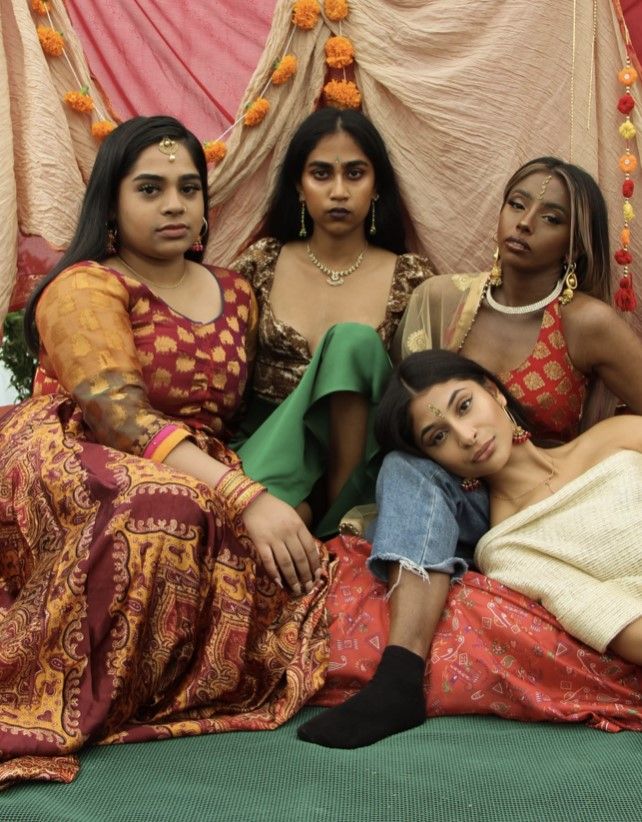
The beauty conversation is becoming broader, and that matters. But representation should not become another marketing strategy where diversity is celebrated only when it is commercially convenient. A campaign featuring one unconventional face cannot, by itself, undo decades of conditioning. True change may lie in making difference ordinary rather than exceptional—where a dark complexion does not need a “celebrity breaking barriers” headline, where an ageing woman does not become news simply for appearing beautiful, and where a body does not have to be described as “body positive” before it is allowed to exist.
Perhaps Beauty Needs Fewer Rules
Indian beauty is undoubtedly changing. The faces being celebrated are becoming more varied, and the conversation is moving beyond the narrow ideals that once dominated advertising, cinema and fashion. But perhaps the ultimate goal should not be to replace one beauty standard with another, however inclusive it may appear. Maybe the real revolution is not deciding that everyone is beautiful according to a new checklist. It is creating a culture where people do not constantly need to qualify for beauty in the first place.
Because perhaps the most beautiful future for Indian beauty is one where there is no single face, body, colour or age that represents it—and where being seen does not require becoming someone else.