In an industry increasingly crowded with algorithmic ad buys, loyalty point promotions, and influencer campaigns, the most compelling marketing strategy in luxury hospitality may be the one that predates modern marketing entirely — art. From the carved marble corridors of a heritage property to a site-specific installation in a hotel lobby, art is no longer decorative wallpaper. It is the story, the strategy, and increasingly, the sale.
The Canvas Behind the Campaign
Walk into any landmark luxury property today and you will notice something: the design is no longer trying to simply impress you. It is trying to make you feel something — to locate you in a place that could exist nowhere else on earth. This shift is deliberate, and it is reshaping how hotels approach their brand communications from the ground up.
Hospitality design in 2025 has moved decisively away from uniform global aesthetics. As Hilary Kroll of INC Architecture & Design observed, the most compelling projects are those that establish design narratives around local culture, history, and place. This is not merely an aesthetic preference — it is a marketing philosophy. When a space is irreplaceable, so is the stay. And when the stay is irreplaceable, word of mouth, social media, and organic storytelling do the heavy lifting no paid campaign could replicate.
The interior of a hotel, then, is its first and most enduring advertisement.
Art as the Architecture of Brand Identity
The most sophisticated luxury hospitality brands have understood for some time what art museums grasped long before them: that physical space is an argument. Every material choice, every installation, and every commission is a statement about what a brand values and whom it is speaking to.
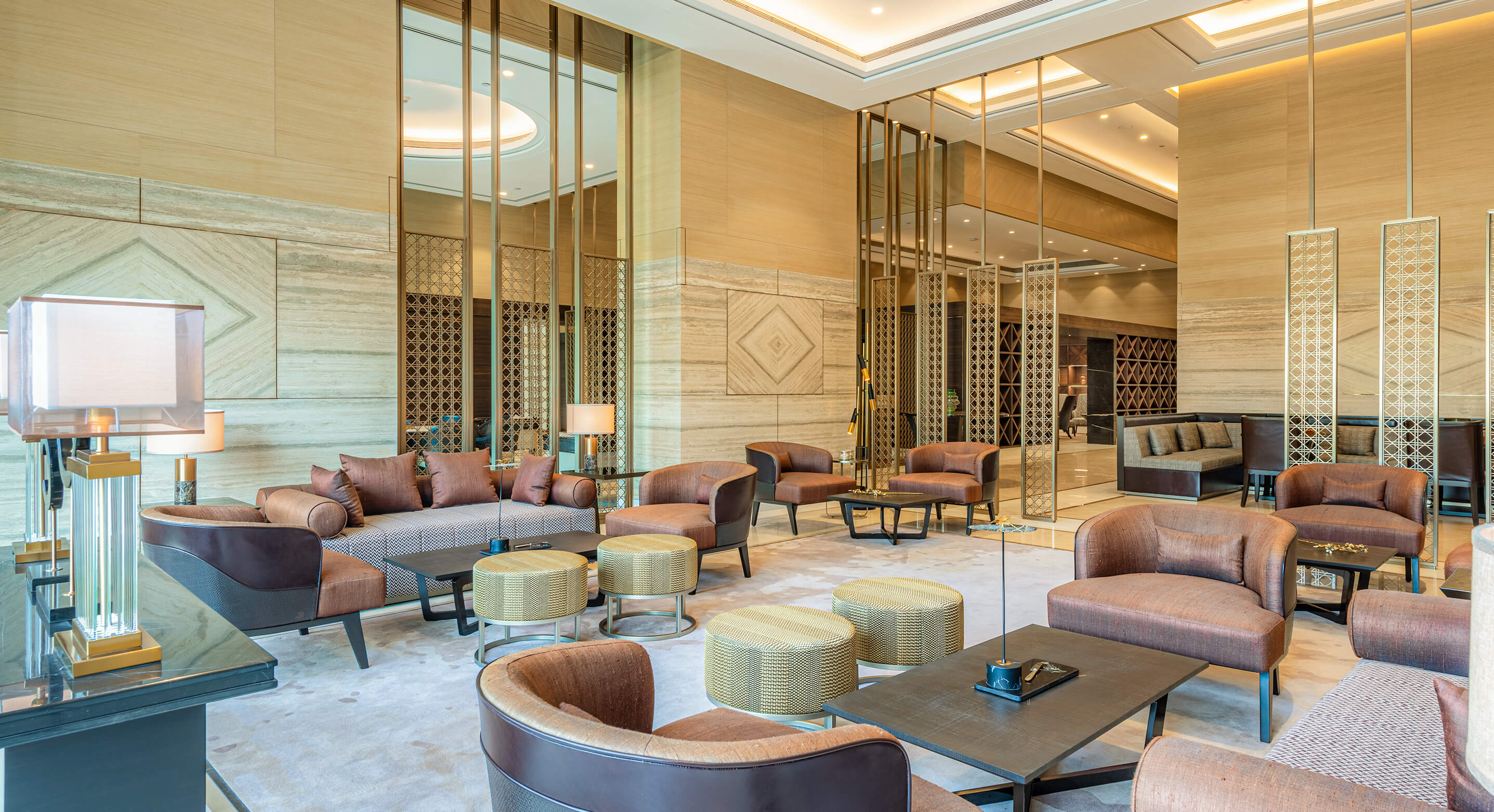
Leading hospitality spaces now employ what designers call “evocative design" — the art of creating atmospheres that elicit specific feelings by treating every material, texture, sound, and scent as an instrument in a carefully orchestrated composition. This is not interior decoration. This is brand strategy rendered in stone, light, and silk.
For luxury hotels specifically, the integration of local art has become a hallmark of intentional design. Murals, sculptures, textiles, and photography sourced from local artists create an authentic sense of place and spark guest conversation, functioning as what design experts now call “cultural anchors” — points of emotional connection that bind a guest to a destination, not merely a property.
Consider the commercial logic: a guest who feels genuinely moved by a commissioned artwork curated for a hotel corridor, or who learns the story behind a hand-crafted installation during check-in, is not just staying at a hotel. They are participating in a cultural experience with a named author. They are far more likely to share it, recommend it, and return for it.
A Space That Cannot Be
The most effective luxury hotel interiors share one quality: they could not exist anywhere else. This is not an accident of budget or taste — it is a deliberate design strategy rooted in the belief that specificity is the highest form of luxury.
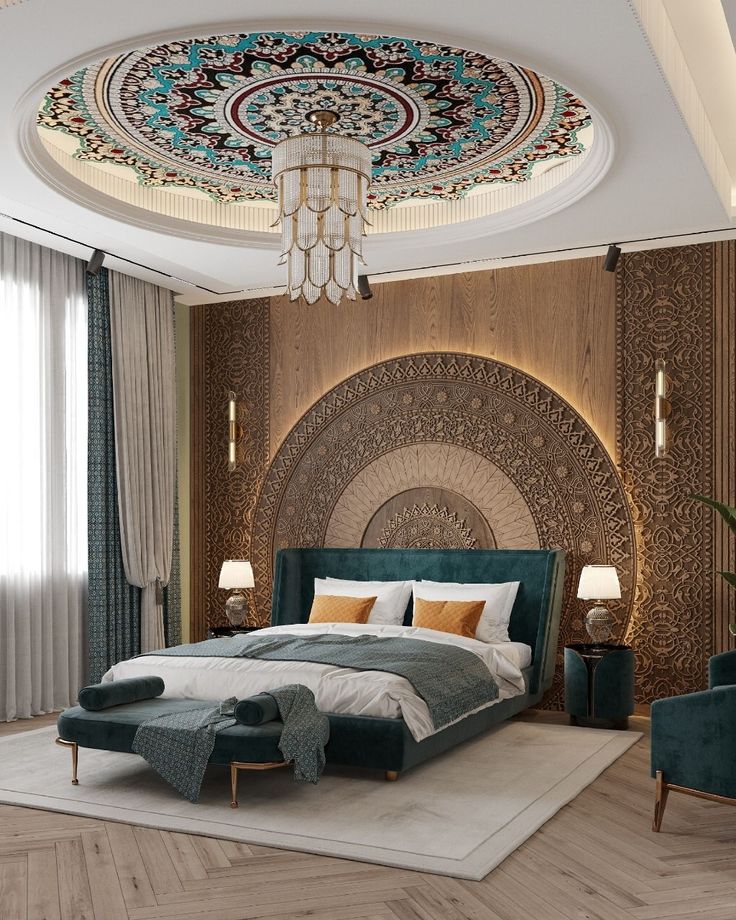
Where a generic five-star hotel offers marble floors and neutral palettes that could belong to any city in any country, a truly placed hotel speaks the visual language of its surroundings. Arched screens that echo local architectural tradition. Hand-painted ceilings that carry the motifs of regional craft. A sculpture in the arrival courtyard commissioned from an artist whose family has worked in that medium for generations. These details do not merely photograph well — they generate the kind of content that carries credibility, because they cannot be replicated. They are visually singular, which is the only currency that matters in the attention economy.
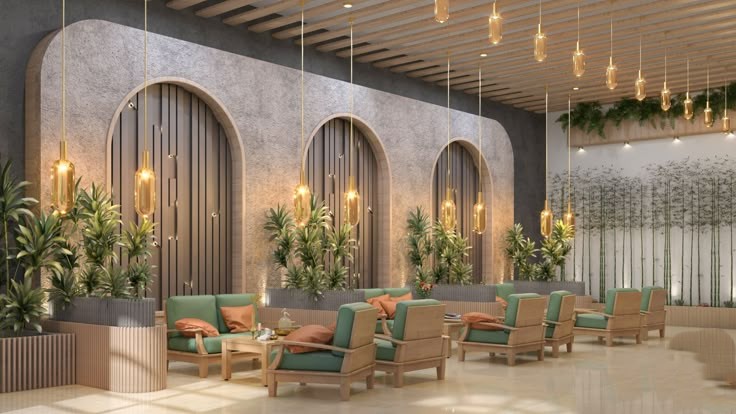
Architecture and design rooted in a specific place — in its geography, its craftsmanship, its palette — are inherently photogenic in the way no generic luxury finish can be. Before a single marketing message is received, before a booking engine is consulted, a prospective guest’s decision is shaped by what a hotel looks like on screen, in editorial coverage, and in the social feeds of people they trust.
Interior design, then, is the most effective silent salesperson a hotel possesses.
From Passive Display to Active Activation: Art as Marketing Engine
The most progressive properties are no longer content to let art serve as ambient atmosphere. They are deploying it as the centrepiece of marketing activations — turning aesthetics into experiences, and experiences into earned media.
Experiential marketing has emerged as a powerful tool that allows hotels to create memorable brand interactions, increase guest engagement, and enhance long-term loyalty. Luxury hotels that implement such activations see significant increases in organic social media exposure, as guests naturally document and share visually compelling, high-end experiences. A well-designed experiential moment drives user-generated content, influencer participation, and digital storytelling — generating brand reach without traditional advertising spend.
The practical implications are exciting. An artist-in-residence programme inviting a local craftsperson to work within a hotel’s public spaces is simultaneously a conservation effort, a guest amenity, a PR story, a social media moment, and a brand differentiator. A live craft demonstration in the courtyard — with guests participating — transforms a hotel amenity into a shareable memory. A curated walk through the property’s art collection, led by a local cultural expert, turns a corridor into a gallery and a one-night stay into an education. Industry forecasts explicitly point to on-property galleries, artist-in-residence programmes, and heritage-inspired programming as among the defining strategies of leading luxury properties in 2025 and beyond. The hotels investing in these experiences are not doing so out of altruism — they are doing so because it works.
Selling the Destination, Not Just the Room
Perhaps the most significant evolution in luxury hospitality marketing is the recognition that a hotel’s most powerful brand asset is not its thread count or its restaurant — it is the place it inhabits. The most discerning travellers want to feel the destination, not just stay in it.
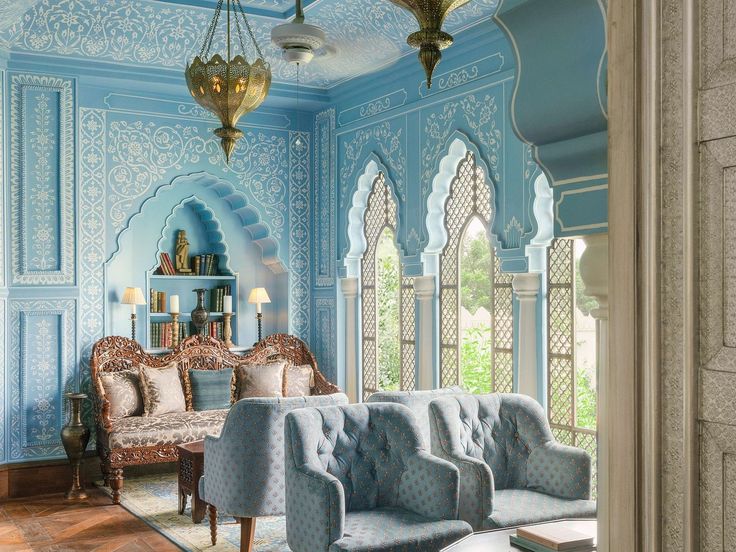
This creates a compelling mandate for luxury properties: to market the local cultural landscape as aggressively as the property itself. Partnerships with local arts foundations, collaborations during annual cultural festivals, curated itineraries through artisan quarters, and content series profiling local craftspeople — all of these extend a hotel’s marketing footprint into the destination, creating a halo of cultural authority that is impossible to fake and difficult to compete with.
When a luxury property positions itself as the definitive gateway to a destination’s artistic soul — not merely a comfortable place to sleep near it — it achieves something no promotional campaign can buy: it becomes necessary.
The Numbers Behind the Narrative
It would be a mistake to frame this as simply a creative conversation. The commercial logic is robust.
The global luxury hotel market, valued at over $154 billion in 2024, is projected to surpass $218 billion by 2029. Within this, the properties that grow fastest are invariably those that have answered one question clearly: 'Why here and why us?'
Properties with strong cultural and artistic identities consistently outperform peers on key metrics — guest satisfaction scores, average length of stay, repeat visit rates, and social media reach among them. Art is not a soft investment. It is a commercial one with measurable returns in brand equity, earned media, and guest loyalty.
Art, architecture, and the cultural identity of place are the most credible answers to the questions every luxury hotel must answer. And in a market where differentiation is everything, credibility is everything.
A Final Word: From Decoration to Differentiation
The shift from art-as-decoration to art-as-differentiation is not merely a design trend. It is a rethinking of what hospitality marketing is fundamentally for. When a guest stands before a commissioned painting in a hotel corridor and feels, for a moment, that they are in the presence of something real — something made by human hands, rooted in a specific history, offered with care — they are experiencing the highest form of brand communication.
No algorithm engineered that moment. No media buy placed it. It was built into the walls, woven into the fabric, and hung in the light. And it will be remembered long after the checkout date.
The marketing brief for luxury hospitality has never been more clear: build spaces that move people, tell stories that only you can tell, and let the art do the rest.