Open a novel on a tablet and your eyes start working overtime—fighting glare, adjusting to a backlight, resisting the pull of a notification. Open the same book on an E-Ink reader and none of that happens. The page just sits there, matte and still, behaving the way paper always has. That small difference is why a growing number of readers are choosing dedicated e-readers over the glowing screens already in their pockets.
What Makes E-Ink Different
Unlike LCD or OLED panels, which generate light and refresh dozens of times a second, E-Ink displays are reflective. Tiny charged particles form an image and then simply hold it in place using almost no power until the next page turn. There's no backlight aimed at your eyes, only an optional front light that shines onto the page instead — which is why many readers report less eye strain during long sessions. The tradeoff is speed: E-Ink refreshes far more slowly than video-capable screens, which is exactly why it's built for reading and little else.
That tradeoff is the whole appeal. Without a screen constantly drawing power, e-readers run for weeks on a charge instead of hours. Without an app grid competing for attention, the device becomes a single-purpose tool rather than a portal to everything else.
One Category, Many Readers
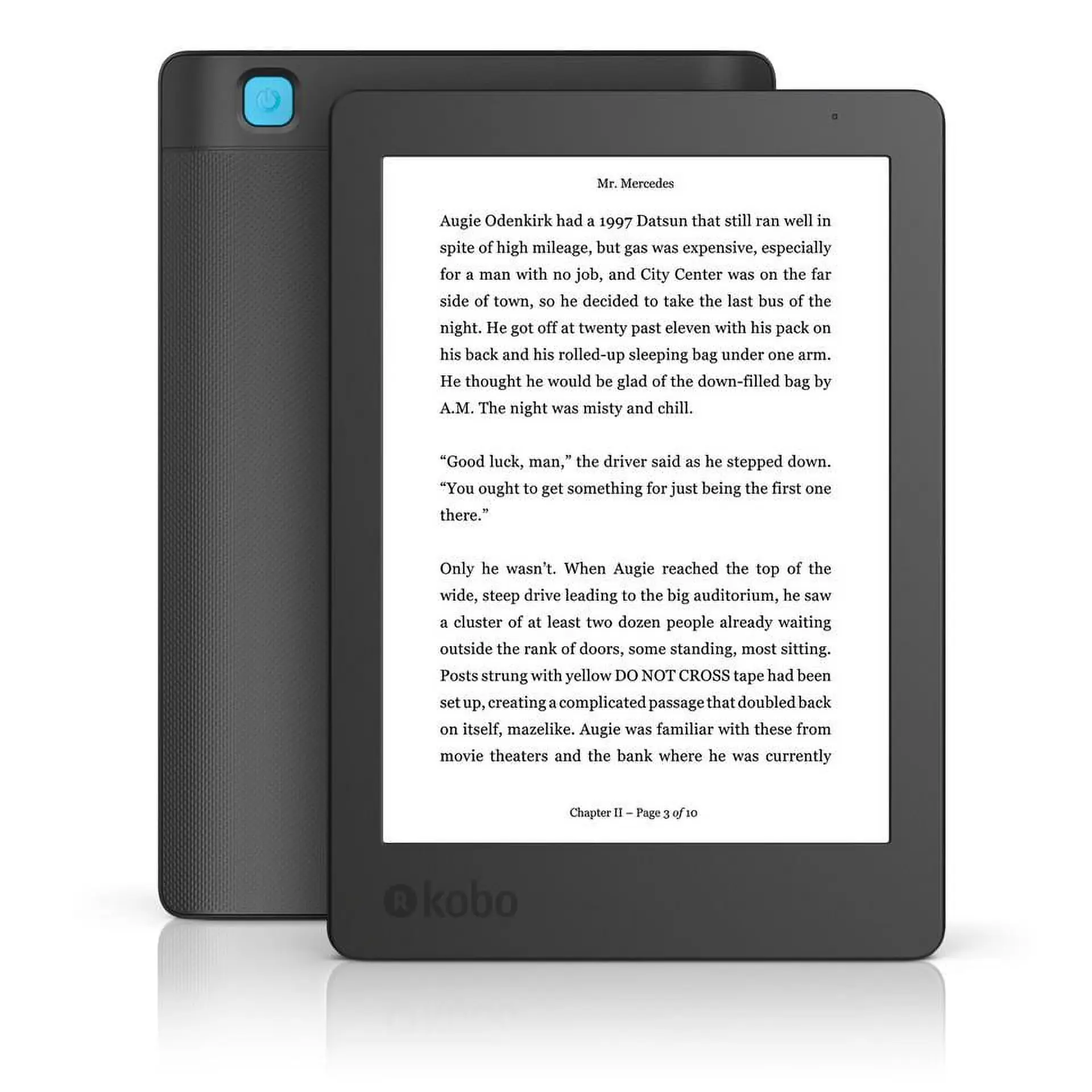
The Amazon Kindle remains the default choice for casual readers, largely on the strength of Amazon's book catalog and a simple, unfussy interface — the e-reader equivalent of a paperback.
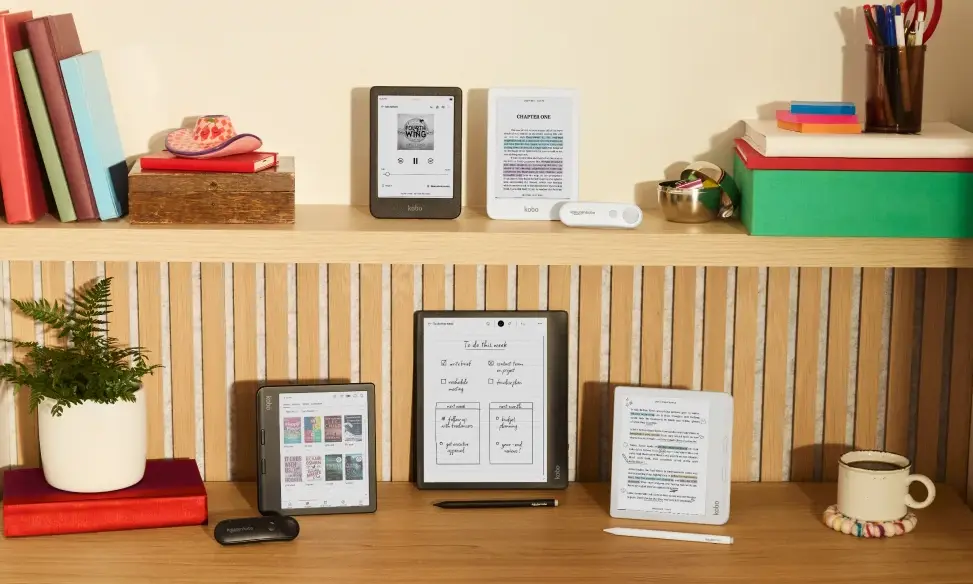
Kobo has built its lineup around openness. The Kobo Libra Colour pairs a 7-inch E Ink Kaleido 3 color screen with stylus support, aimed at readers who want to annotate or browse comics without losing the paper-like feel, while the smaller, waterproof Kobo Clara Colour packs the same color technology into a compact reader built for portability. Both support library borrowing through Libby and formats beyond Amazon's ecosystem.
BOOX sits at the more experimental end. The BOOX Go Color 7 runs full Android with access to Google Play, letting readers install Kindle, Libby, or any other app on one color E-Ink screen. The larger BOOX Note Air 4C, with its 10.3-inch color display and stylus, pushes further into productivity — built for students and professionals who want to read PDFs and take handwritten notes on the same page.
PocketBook's InkPad line fills a similar large-format niche: bigger screens for readers working through dense PDFs or textbooks that shrink into illegibility on a 6-inch display, without a tablet's constant distractions.
Where E-Ink Still Falls Short
None of this makes E-Ink a universal replacement for LCD or OLED. Video is unwatchable, color on today's panels is muted rather than vivid, and fast navigation can leave faint ghosting behind. For anyone who wants one device to do everything, a tablet is still the practical choice.
Why It's Catching On Anyway
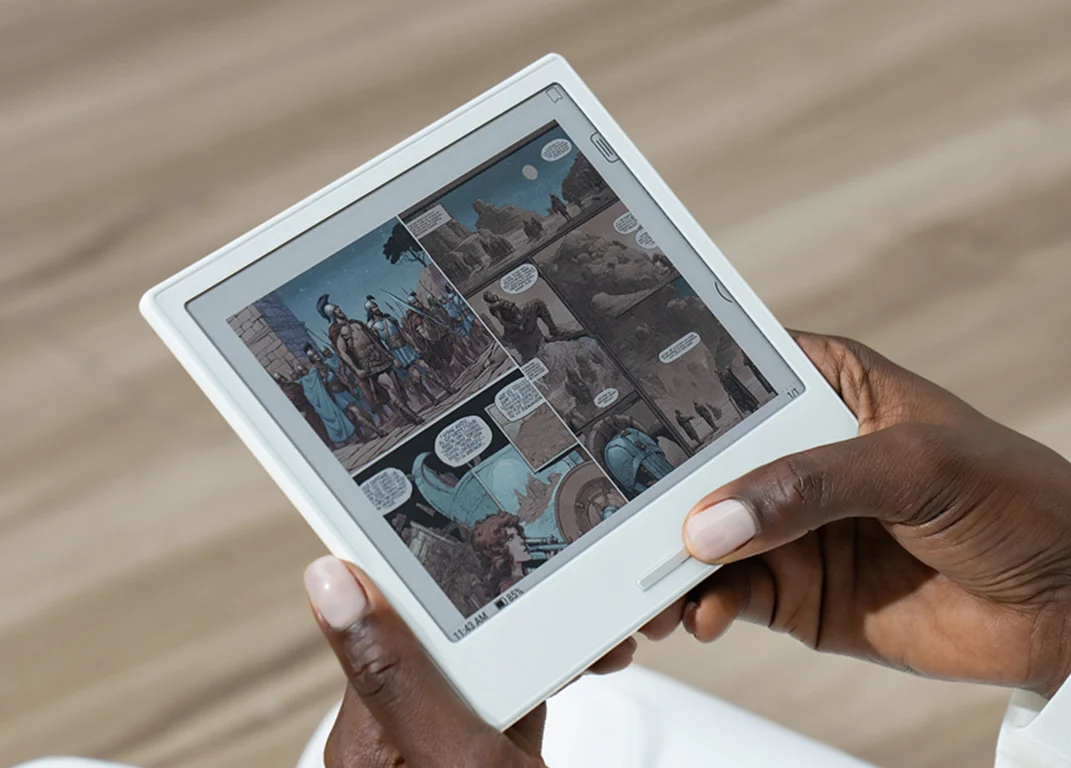
That narrowness is exactly the point. In an attention economy engineered to keep eyes on backlit screens, an E-Ink reader is a deliberately boring device — and that's become the appeal rather than the limitation. As color panels, styluses, and Android access have matured, E-Ink has quietly grown from a single-purpose reading tool into a limited but legitimate productivity device, one built around focus instead of features.