A few years ago, “vegan” on a makeup label was mostly a signal for a small, dedicated crowd. Today it shows up on foundation bottles at the supermarket, on limited-edition lipstick collections from global names, and on the packaging of homegrown Indian brands sitting next to more conventional options. The category hasn’t taken over the beauty aisle, but it has stopped being a fringe choice. It’s becoming just another feature shoppers weigh, alongside shade range, finish and price.
What “Vegan” Actually Means on a Label
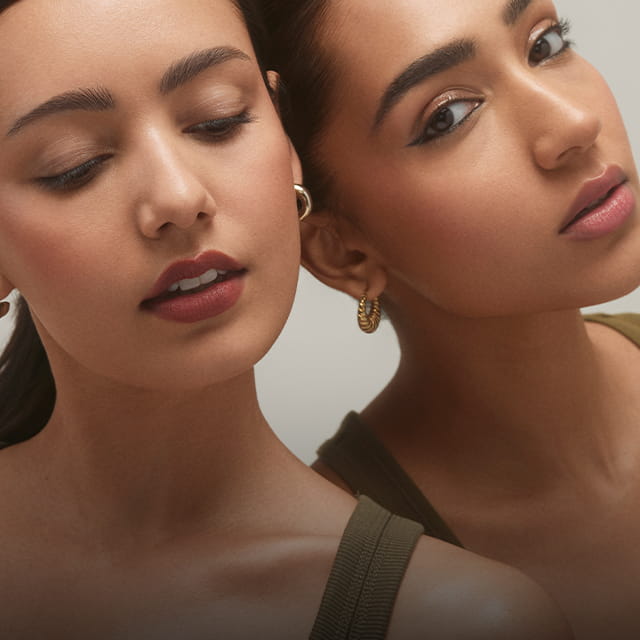
In cosmetics, vegan simply means a product contains no animal-derived ingredients or by-products. That rules out things like carmine (a red pigment made from crushed cochineal insects), beeswax, lanolin, collagen and honey, which have historically shown up in lipsticks, mascaras and balms. Brands usually swap these for plant waxes, minerals and lab-made alternatives that can perform a similar job.
This is a different claim from “cruelty-free,” though the two are often bundled together in marketing. Cruelty-free refers to whether a product, or its ingredients, were tested on animals at any stage. A product can be vegan but still have been tested on animals somewhere in its supply chain, and a product can be cruelty-free while still containing animal-derived ingredients like beeswax or lanolin. The two labels answer different questions, and a brand ticking one box doesn’t automatically mean it ticks the other. Shoppers who care about both usually have to check for separate certifications, such as a vegan trademark and a cruelty-free stamp from bodies like PETA or Leaping Bunny.
Why the Shift Is Happening Now
A few overlapping forces seem to be behind the move toward the mainstream. Ingredient labels are getting more scrutiny than they used to, partly because information about sourcing and formulation is easier to find online, and partly because a broader wellness culture has made people more curious about what goes into the products they use daily. For some, choosing vegan makeup lines up with dietary or lifestyle choices they’ve already made. For others, it’s less about ethics and more about wanting simpler, plant-forward formulas, particularly for sensitive or acne-prone skin.
Market research firms tracking the Indian vegan cosmetics segment have pointed to steady growth over the past few years, driven by rising consumer awareness, demand for cruelty-free products and support from regulators and influencers promoting sustainable options. None of this means the category is exploding overnight, but the direction of travel is fairly clear.
Retail has played a role too. Large beauty retailers now let shoppers filter searches by “vegan” the way they might filter by skin type, which normalizes the label rather than treating it as a specialty tag. And when international names launch in India with vegan formulations built in from the start, it signals to the wider market that the format isn’t a niche experiment anymore.
Established Names Leaning Into the Category
Some of the more visible examples come from brands that were vegan by design from day one. Plum, founded in Mumbai in 2013, describes itself as India’s first fully vegan beauty brand and has expanded from skincare into a wider makeup range, later drawing investment from Unilever Ventures. Iba Cosmetics, started in Ahmedabad in 2014, built its identity around vegan and halal certification together, offering lipsticks, foundations and eye products free of alcohol and animal-derived ingredients, and has PETA certification to back the vegan claim.
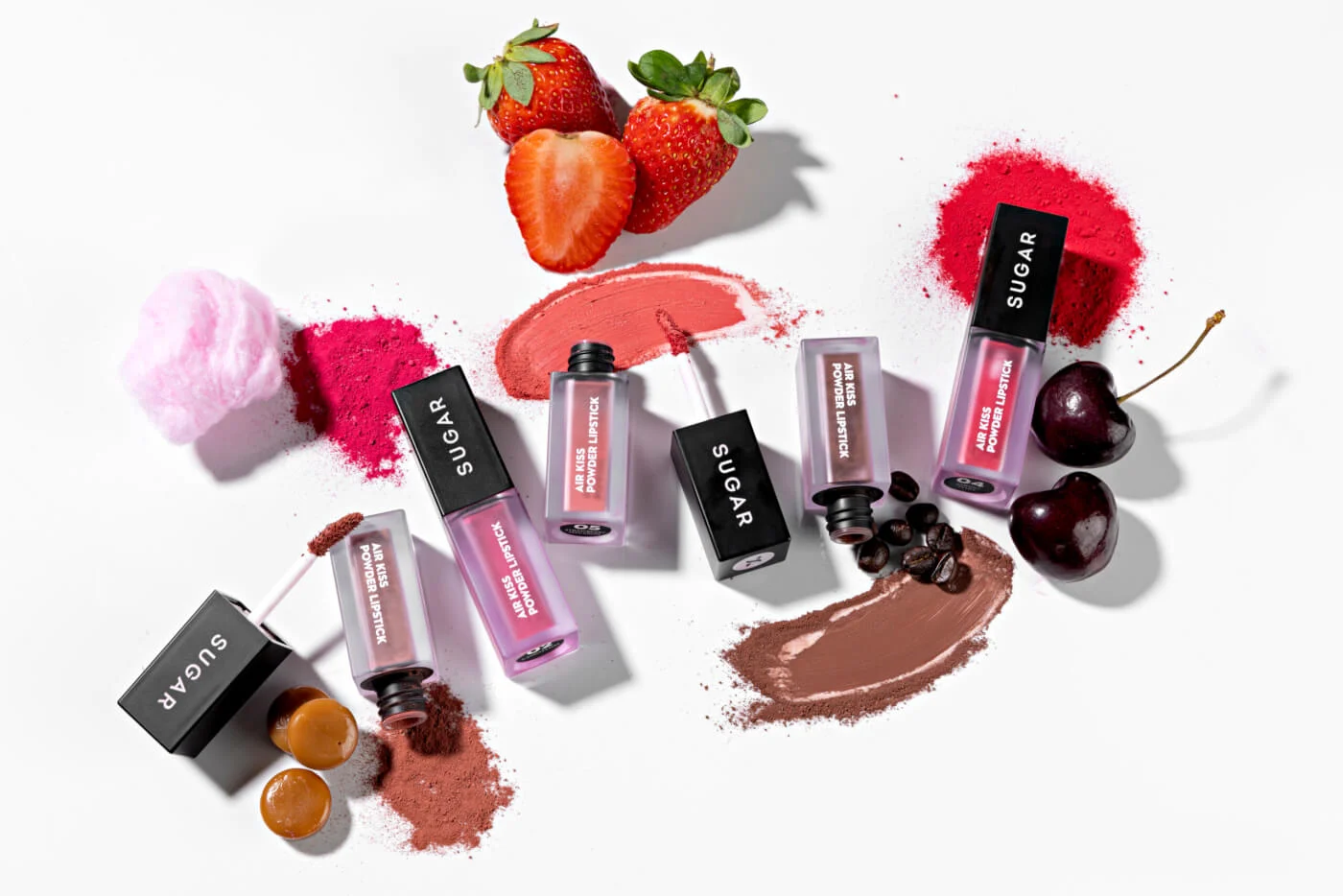
Sugar Cosmetics, one of the larger direct-to-consumer beauty players in India, markets itself as cruelty-free and offers a substantial number of vegan products, though the company itself has been clear that not every item in its catalogue is vegan, so shade-by-shade checking is still worthwhile. This kind of partial overlap is common among bigger, broader-range brands, and it’s a useful reminder that a brand’s general positioning doesn’t always apply to every single product it sells.
On the global side, The Body Shop has certified its entire product formulation portfolio as vegan through The Vegan Society, one of the world’s oldest vegan certification bodies, which is a notable move for a brand of its size and reach. Kylie Cosmetics, which entered India through Sephora stores in partnership with House of Beauty, has also built its lip and face products around vegan formulations, showing that the approach isn’t confined to smaller or India-based labels.
Smaller and Newer Brands Filling in the Gaps
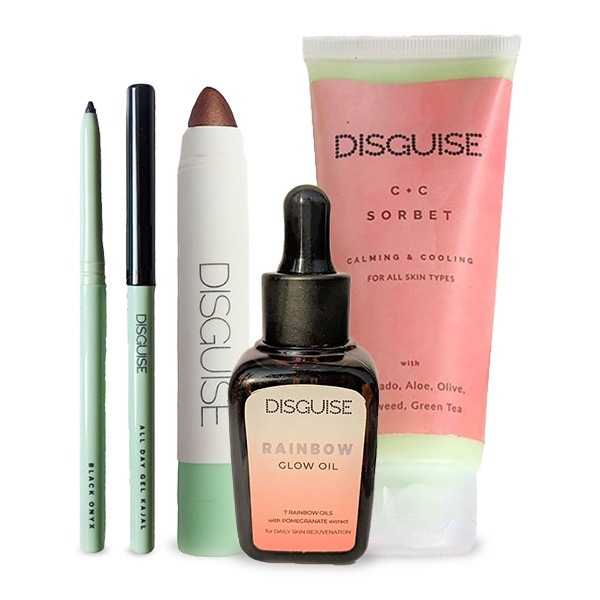
Alongside these bigger names, a cluster of smaller Indian labels has grown around vegan and clean-beauty positioning specifically. Disguise Cosmetics, one of the earlier homegrown brands in this space, offers PETA-approved vegan lipsticks and eye products at accessible prices. Asa Beauty, founded in 2021, pairs a fully vegan and cruelty-free line with refillable, low-plastic packaging, aiming at shoppers who care about sustainability beyond the ingredient list. Kiro and FAE Beauty are newer entrants that have built their catalogues around vegan, clean-label formulas from the outset rather than converting an existing range.
These smaller brands tend to be more transparent about ingredient sourcing simply because it’s central to how they market themselves, though that doesn’t automatically make their formulas better performing or their claims more rigorously verified than a larger brand’s. It just means the information is often easier to find.
A Growing Category, Not a Replacement
Vegan makeup is growing, but it hasn’t displaced conventional cosmetics, and it isn’t inherently more sustainable or better for skin just because it skips animal ingredients. A vegan formula can still contain synthetic preservatives, packaging that isn’t recyclable, or ingredients sourced in ways that raise their own environmental questions. Being vegan addresses one specific issue, the presence of animal-derived material, and shoppers looking for broader sustainability or clean-label assurances still need to look at a brand’s fuller picture rather than assuming one label covers everything.
What does seem to be changing is the expectation. Vegan formulation is increasingly treated as a reasonable baseline option rather than a specialty request, and more brands, from long-established names to small independent labels, are building it in rather than treating it as an add-on. Whether that becomes the industry default or simply settles in as one strong lane among many is still an open question, but it’s no longer a question confined to a small corner of the beauty world.