
A trip runs smoother when a handful of objects quietly do their job. The past decade of direct-to-consumer travel brands has turned backpacks, wallets, and luggage into a debate about engineering rather than logos. It helps to know what each brand actually solves before paying a premium for it.
Peak Design Rethinks What a Backpack Should Do
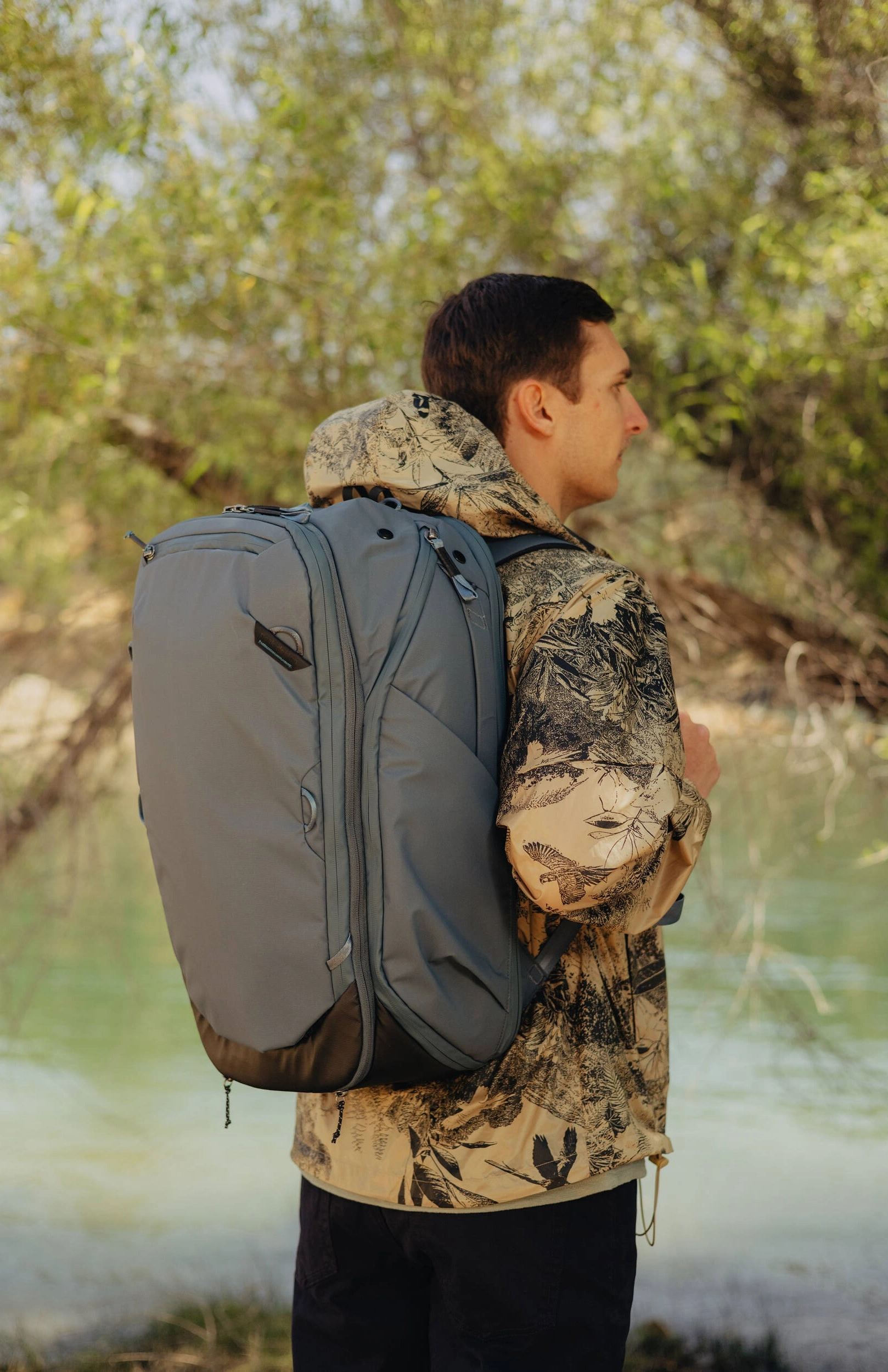
Most travel backpacks are just fabric and straps arranged around a shape. Peak Design’s Travel Backpack treats the category as an engineering problem, expanding from 35 liters to 45 and compressing to 30, with a weatherproof recycled shell and a lifetime warranty built to outlast years of trips. The detail worth paying for is not capacity, since most bags hold clothes fine. It’s access. A pack that opens like a suitcase, with a hip belt that tucks away under a magnetic flap instead of dangling on jet bridges, removes friction that adds up over a decade of travel.
Bellroy and DailyObjects Make Small Objects Disappear
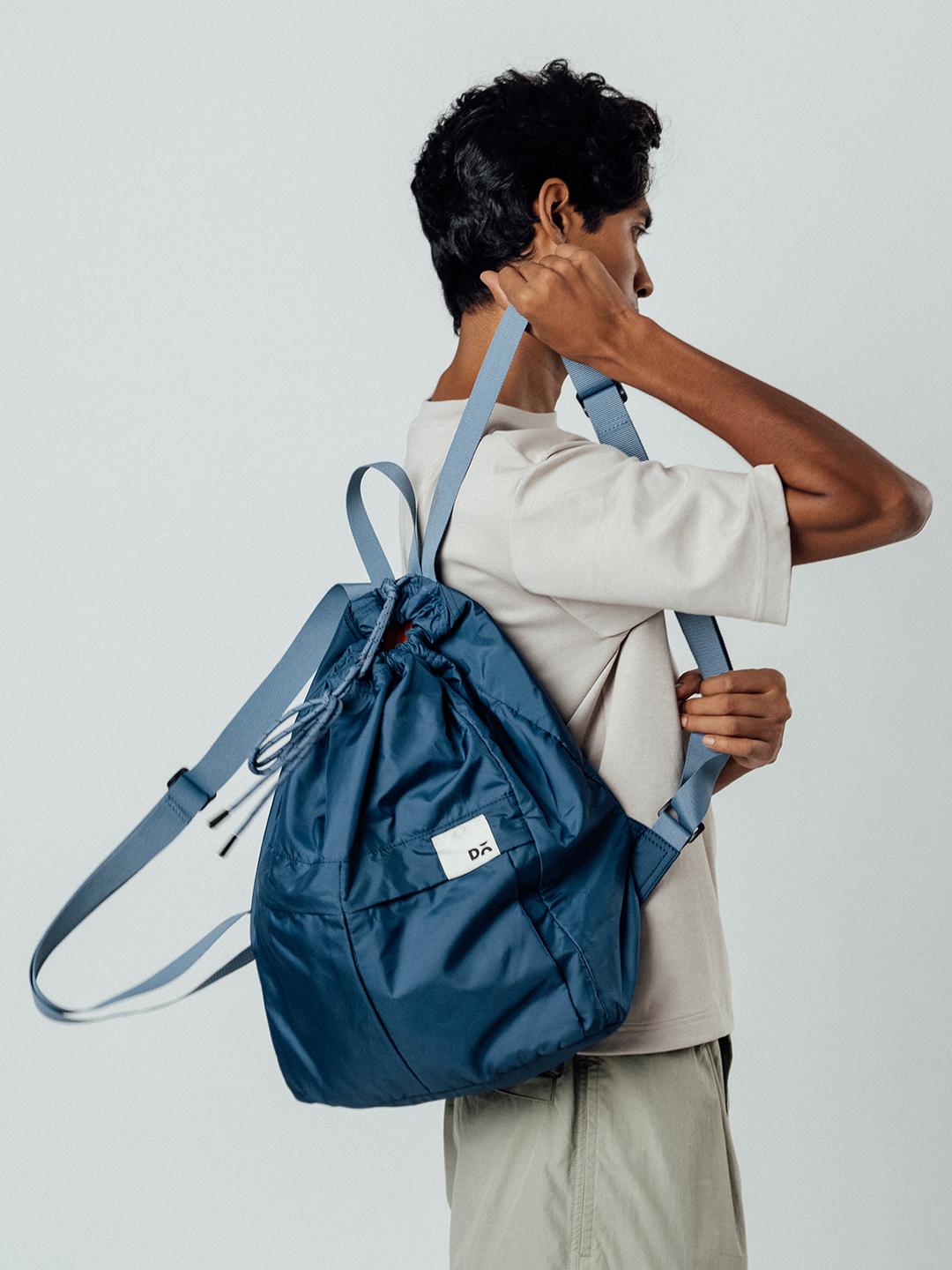
The best travel accessories are the ones you stop thinking about. Bellroy’s slim leather wallets solved a problem most people did not know they had, fitting cards and cash into a shape thin enough to disappear into a pocket while still blocking RFID skimming. Several models now include a slip pocket sized for an Apple AirTag. DailyObjects, working out of India, applies the same logic to tech kits, cable organizers, and passport covers, sorting chargers and small electronics into compartments instead of a pile at the bottom of a bag. Neither company sells luxury. Both sell the absence of an annoyance.
Samsonite and Mokobara Treat Luggage as a Tool
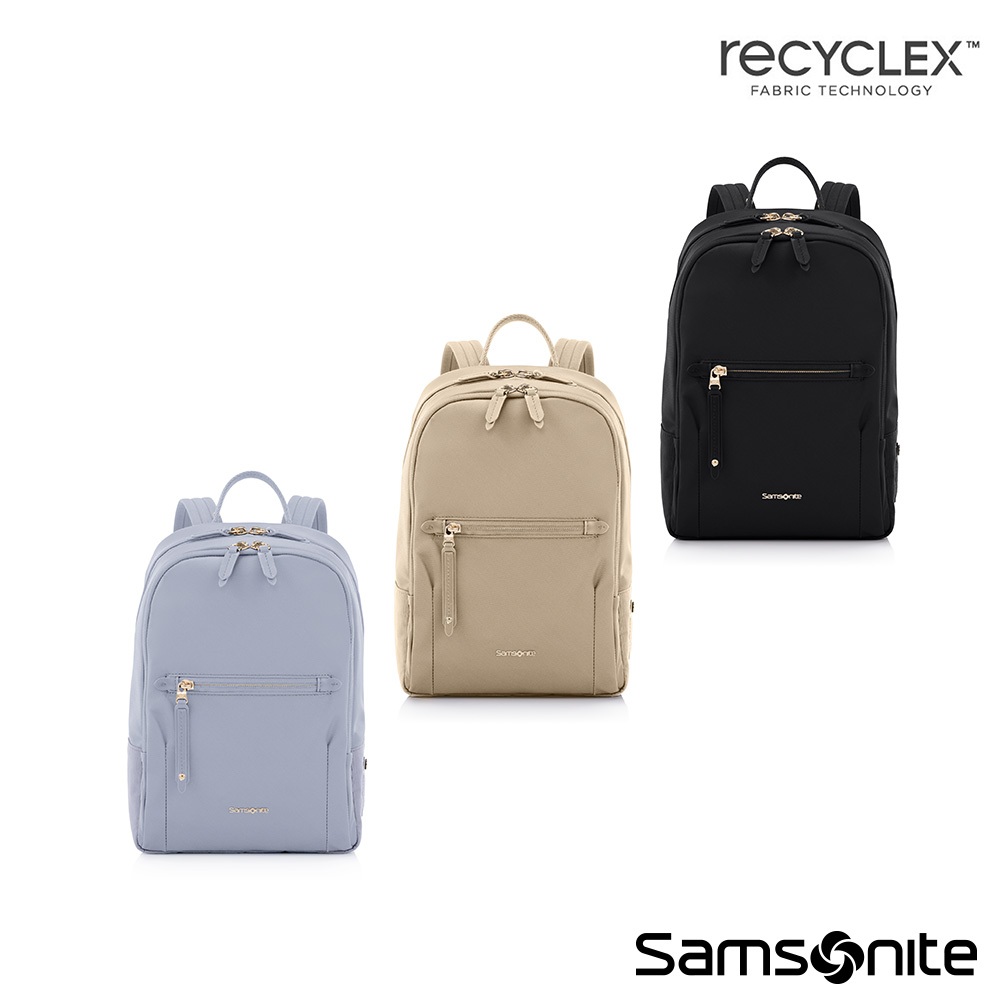
Hard-shell luggage used to mean Samsonite, largely because it built its name on shells that survive baggage handlers rather than shells that look good in a showroom. Newer entrants have pushed the category further. Mokobara, a Bengaluru-based luggage brand, builds its cases from German polycarbonate with silent Japanese wheels and an internal compression system that packs more into the same shell, plus a USB port on its cabin bags. What separates a good suitcase from an expensive one is rarely the exterior. It’s whether the zippers survive baggage claim and whether the interior keeps clothes from turning into a wrinkled mess.
What an Apple AirTag Actually Buys You
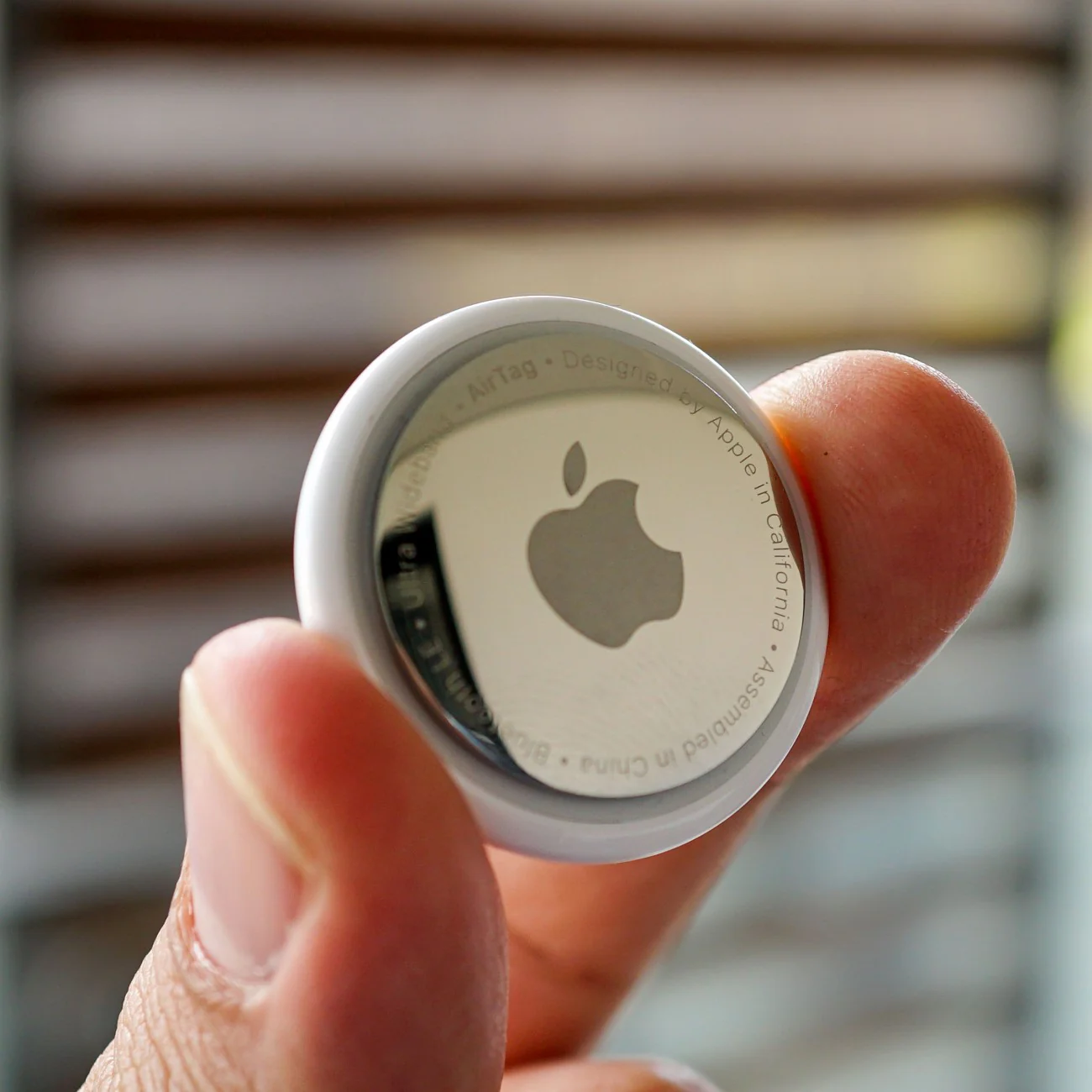
An Apple AirTag slipped into a checked bag will not track it in real time on a moving carousel, but it will tell you whether the bag made the connecting flight, using Apple’s Find My network of over a billion devices to report a last known location. Some airlines now let travelers share that location directly with baggage teams, turning a coin-sized tracker into a real hedge against a missed connection.
Anker and Hydro Flask Handle the Boring Essentials
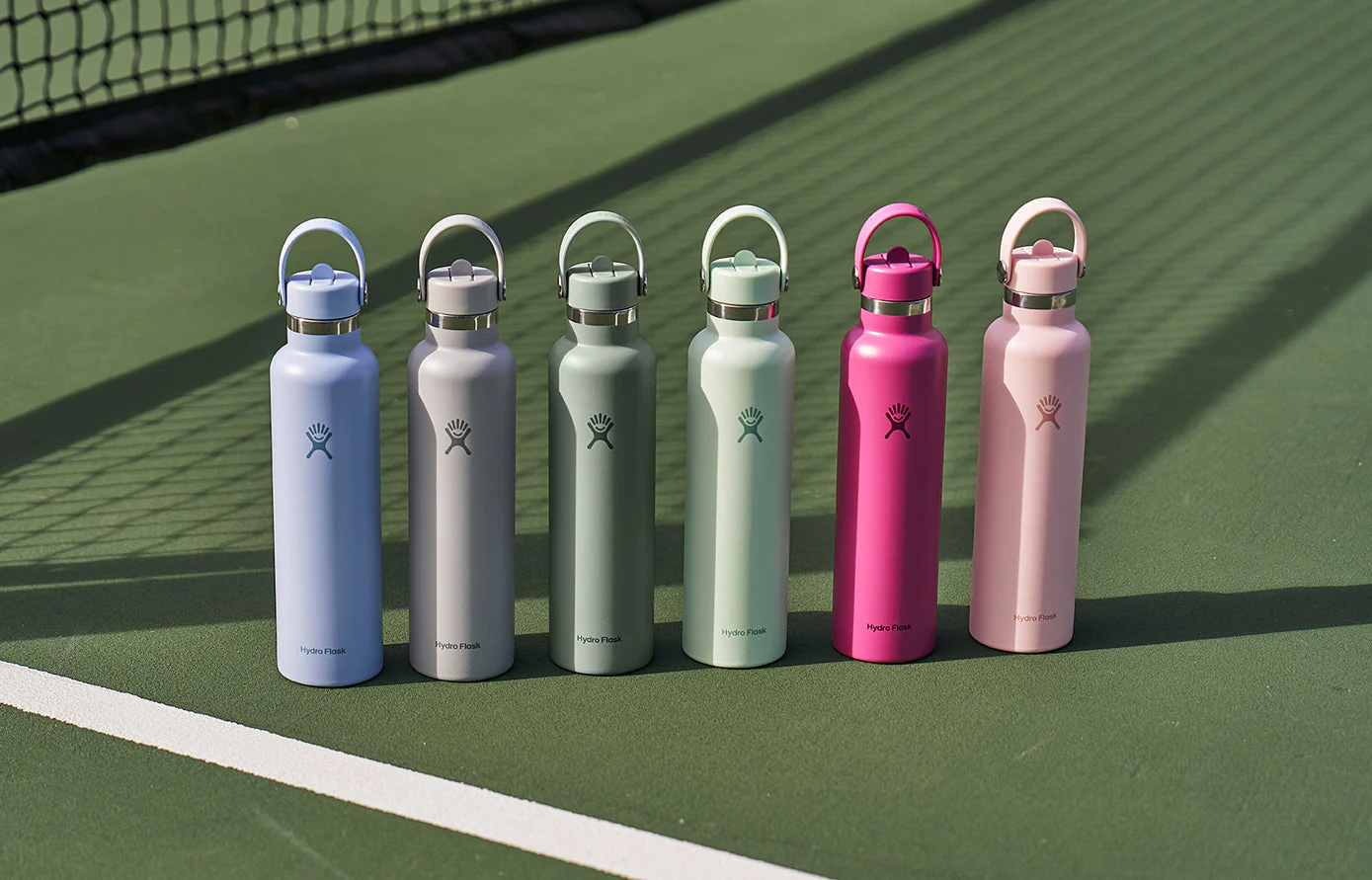
Anker’s power banks have gotten smaller and smarter without asking travelers to give anything up, and models built to sit just under the 100 watt-hour airline limit for carry-on batteries can still push enough wattage to fast-charge a laptop, all from something that fits in a jacket pocket. Hydro Flask’s insulated bottles solve a duller problem, keeping drinks cold for 24 hours or hot for 12 without sweating through a bag, which matters more on a long flight than most packing lists admit.
Good gear does not make a trip memorable. It just gets out of the way of the one you are already having.