A great film stays with us long after the screen fades to black. Its cinematography, storytelling and ability to evoke emotion can make even a fleeting moment unforgettable. But what happens when this artistic vision meets commercial advertising? The result can be something that exists between art and commerce: a carefully crafted film designed to sell a product, yet compelling enough to make us forget we're watching an advertisement. Even when we have no intention of buying what's being sold, we might stay until the final frame, drawn in by the story unfolding before us. Luxury fragrance campaigns have mastered this interplay between spectacle and storytelling, turning perfume into a symbol of romance, desire, freedom and fantasy. Through four campaigns from Chanel, Yves Saint Laurent, Dior and Kenzo, let's explore how the language of cinema transforms an advertisement into an experience worth watching in its own right.
Chanel N°5: When a Fragrance Becomes a Memory
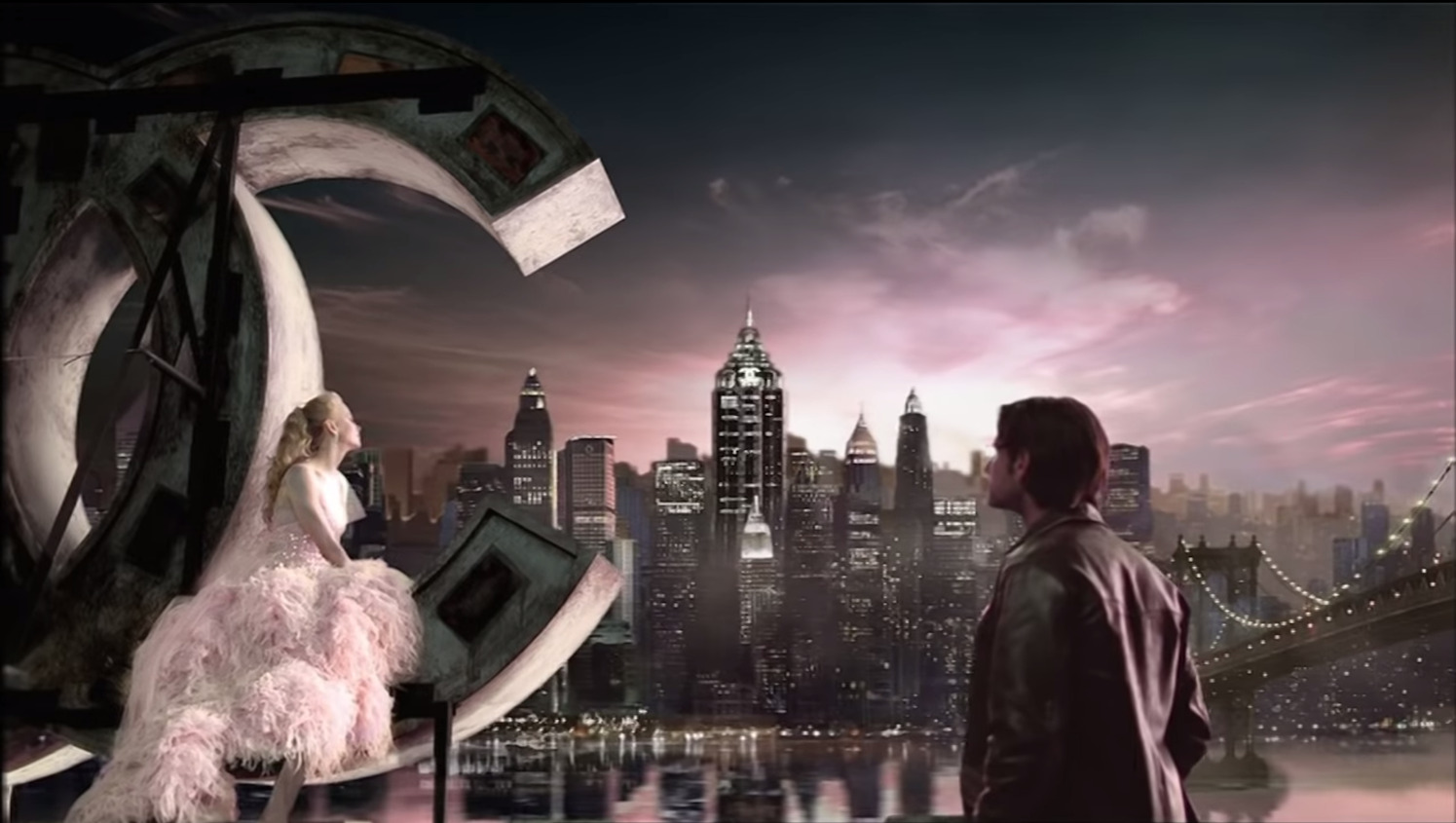
Few perfume advertisements embrace the scale of a Hollywood romance quite like Chanel N°5's 2004 campaign, directed by Baz Luhrmann, starring Nicole Kidman and Rodrigo Santoro. From Kidman's sweeping, princess-like gown to the glittering cityscape, the film establishes a world of glamour and spectacle. Yet its greatest achievement lies in drawing the audience beyond the visuals and into the story. The film follows a celebrated woman seeking a brief escape from the demands of fame. With a stranger, she finds a moment of freedom, away from the public image that defines her life. But their romance is fleeting, and she must eventually return to her world, leaving him with a memory of what might have been.
Told largely through the man's perspective, the story builds towards a poignant final moment. As the camera closes in on Kidman's backless black dress and the Chanel No. 5 pendant, his voice recalls her kiss, her smile and finally her perfume. The fragrance becomes the lasting trace of their encounter, tied to the memory of someone unforgettable. Rather than placing the product at the centre from the beginning, the campaign lets the romance establish an emotional connection first. By the time the perfume comes into focus, it feels less like an object being advertised and more like a symbol of a moment that lingers long after it has passed.
YSL Black Opium: The Urgency of Desire
If Chanel No. 5 turns fragrance into a memory of a fleeting romance, Yves Saint Laurent's Black Opium takes a more restless approach. Directed by Daniel Wolfe, the 2014 campaign stars Edie Campbell as a woman who wakes in the middle of the night and races through Shanghai in search of her missing perfume.
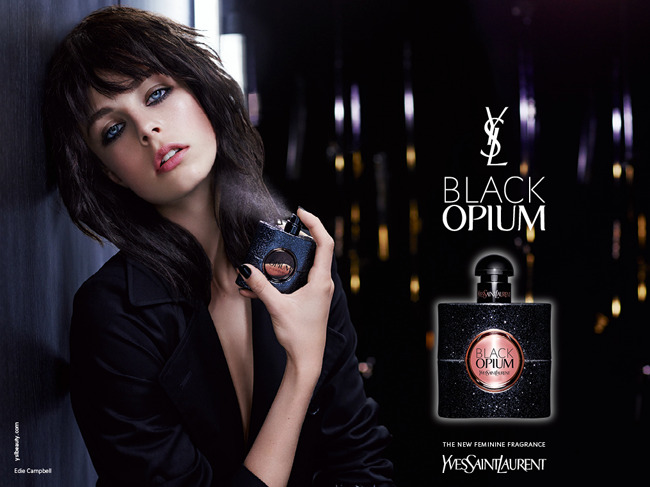
What makes the film compelling is how its soundtrack, “Jungle” by Emma Louise, works alongside the nocturnal visuals. As Campbell moves through illuminated tunnels, shadowy alleys and the city's restless streets, the repeated refrain echoes the chaos of a mind unable to settle. The music doesn't merely accompany her movements; it intensifies the urgency behind them. The perfume becomes the object of an obsession, something she cannot feel at ease without. That reading is reinforced by the contrast between her frantic search and the relief that follows when she finally finds it. In less than a minute, the campaign creates a miniature cinematic chase, using music, movement and atmosphere in place of elaborate storytelling. Black Opium is presented not simply as a fragrance to wear but as a desire powerful enough to pull its wearer into the night.
Dior J’adore: When Opulence Meets a Modern Beat
Gold dominates Dior J’adore Absolu’s 2018 campaign, directed by Romain Gavras and starring Charlize Theron. Set in a lavish bathhouse, the film evokes a world of goddesses, where golden surroundings and women draped in shimmering fabrics create an almost mythological spectacle. Theron blends seamlessly into this setting, her presence complementing the opulence around her. The most captivating moment arrives as she rises from the water and walks towards the camera. Her steady gaze and graceful movements command attention without a word. Yet it is the soundtrack, Kanye West’s Flashing Lights, that transforms the scene. What initially resembles a tableau from a period film gradually takes on the energy of a modern runway show, with Theron leading a procession of women behind her.
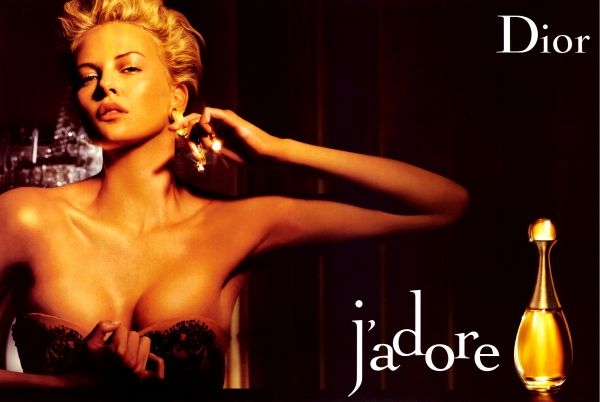
This unexpected pairing of classical grandeur and contemporary hip-hop gives the campaign its distinctive character. Theron is not searching for something or escaping from a world that confines her; she appears entirely at ease in her own presence. As the other women join her, the spectacle becomes less about one woman's beauty and more about collective confidence and power. J’adore becomes an emblem of elegance, beauty and self-assurance. Rather than relying on an elaborate narrative, the campaign uses cinematography, music and movement to turn the fragrance into an image of modern femininity.
Kenzo World: The Beauty of Breaking Free
What begins as a formal gala soon turns into something wonderfully absurd in Kenzo World's 2016 campaign, directed by Spike Jonze and starring Margaret Qualley. As she leaves the gathering, her expressions shift with the music, and what starts as a few movements soon erupts into an uninhibited dance through the building. Set to “Mutant Brain” by Sam Spiegel and Ape Drums, the film finds its rhythm in the precise synchronisation between music and movement. From Qualley's sharp kicks to the surreal moment when she shoots green beams from her fingers, every gesture adds to the spectacle. Her performance is the heart of the campaign, turning an ordinary departure into an exhilarating cinematic experience.
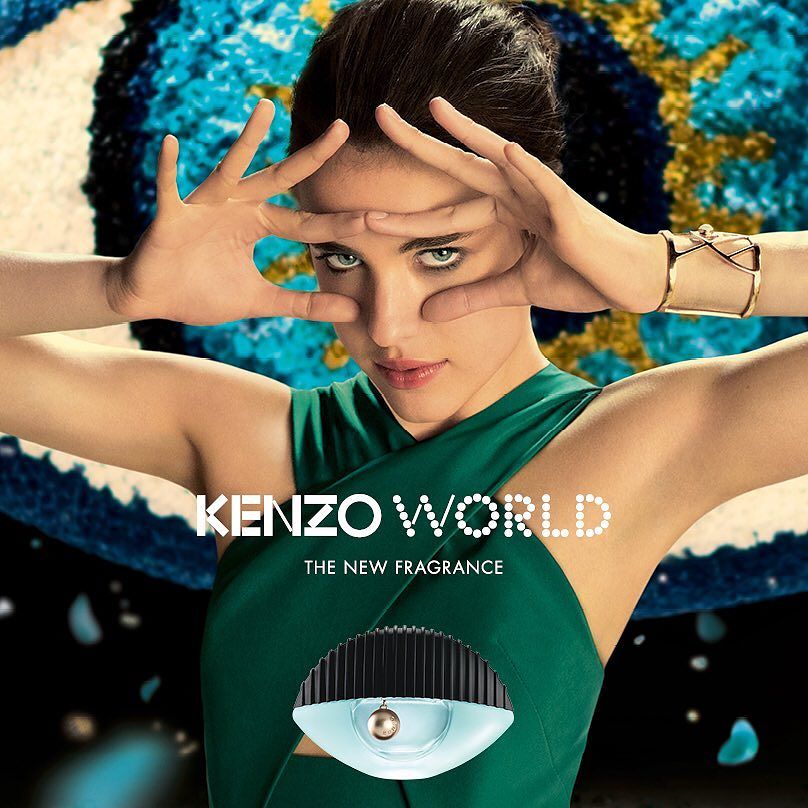
The film's humour lies in its playful satire of luxury's polished conventions. Against the gala's rigid etiquette and carefully maintained elegance, Qualley's exaggerated expressions and chaotic dance seem almost rebellious. She refuses to remain the poised, graceful figure the setting expects her to be, embracing absurdity instead. Kenzo World becomes a symbol of individuality and uninhibited self-expression. Rather than presenting beauty as something carefully controlled, the campaign celebrates the freedom to be strange, spontaneous and unapologetically oneself. Its cinematic appeal lies in this transformation: a woman steps away from the expected and, for a few minutes, makes the world her own.
When Advertising Becomes Cinema
From the romance of Chanel to Kenzo's uninhibited rebellion, these campaigns reveal how cinematography, music and a compelling on-screen presence can transform a product advertisement into an experience of its own. A striking frame, an evocative soundtrack or a performance that holds the audience's attention can make a fragrance feel like more than what's contained in its bottle. Perhaps that is the real power of cinematic advertising. The audience may not remember the product's details or intend to purchase it, but they remember the feeling it created. And when an advertisement can make someone stop scrolling, become absorbed in its world and stay until the final frame, it has achieved something beyond selling a fragrance: it has made itself worth watching.