
Every year on April 1st, the world holds its breath — is that headline real? Did that company actually do that? Some April Fools' Day pranks have transcended the holiday itself and become part of cultural history. From a three-minute BBC news segment in 1957 to a man burning 70 tyres inside a volcano crater, here are the greatest hoaxes ever pulled off – ranked by impact, creativity, and the sheer number of people fooled.
What makes an April Fools' prank legendary?
The best hoaxes share three qualities: a straight-faced delivery, just enough plausibility to be believable, and a reveal that makes people laugh rather than feel humiliated. The pranks below scored high on all three — some of them fooled millions.
1. The BBC's Swiss spaghetti harvest (1957) — the greatest hoax ever
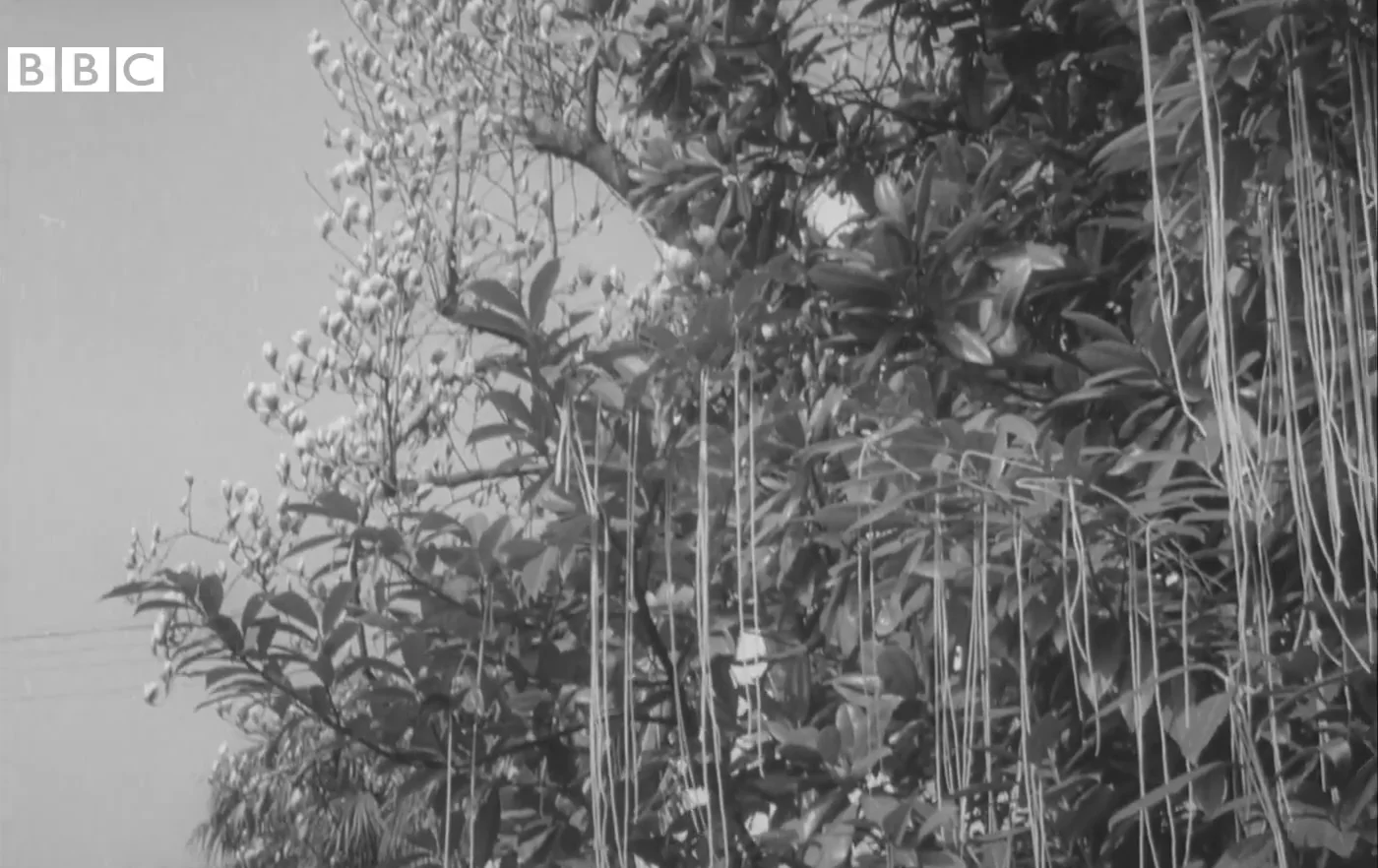
On April 1, 1957, the BBC's flagship news programme Panorama broadcast a three-minute segment reporting that Swiss farmers were enjoying a bumper spaghetti harvest, thanks to a mild winter and the near elimination of the spaghetti weevil. Viewers watched footage of peasants pulling strands of spaghetti from trees. Hundreds of people called the BBC afterwards to ask how they could grow their own spaghetti tree. The BBC's diplomatic reply: "Place a spring of spaghetti in a tin of tomato sauce and hope for the best." It remains the most celebrated April Fools' hoax ever produced, ranked No. 1 by the Museum of Hoaxes.
2. Sweden's colour TV trick (1962)
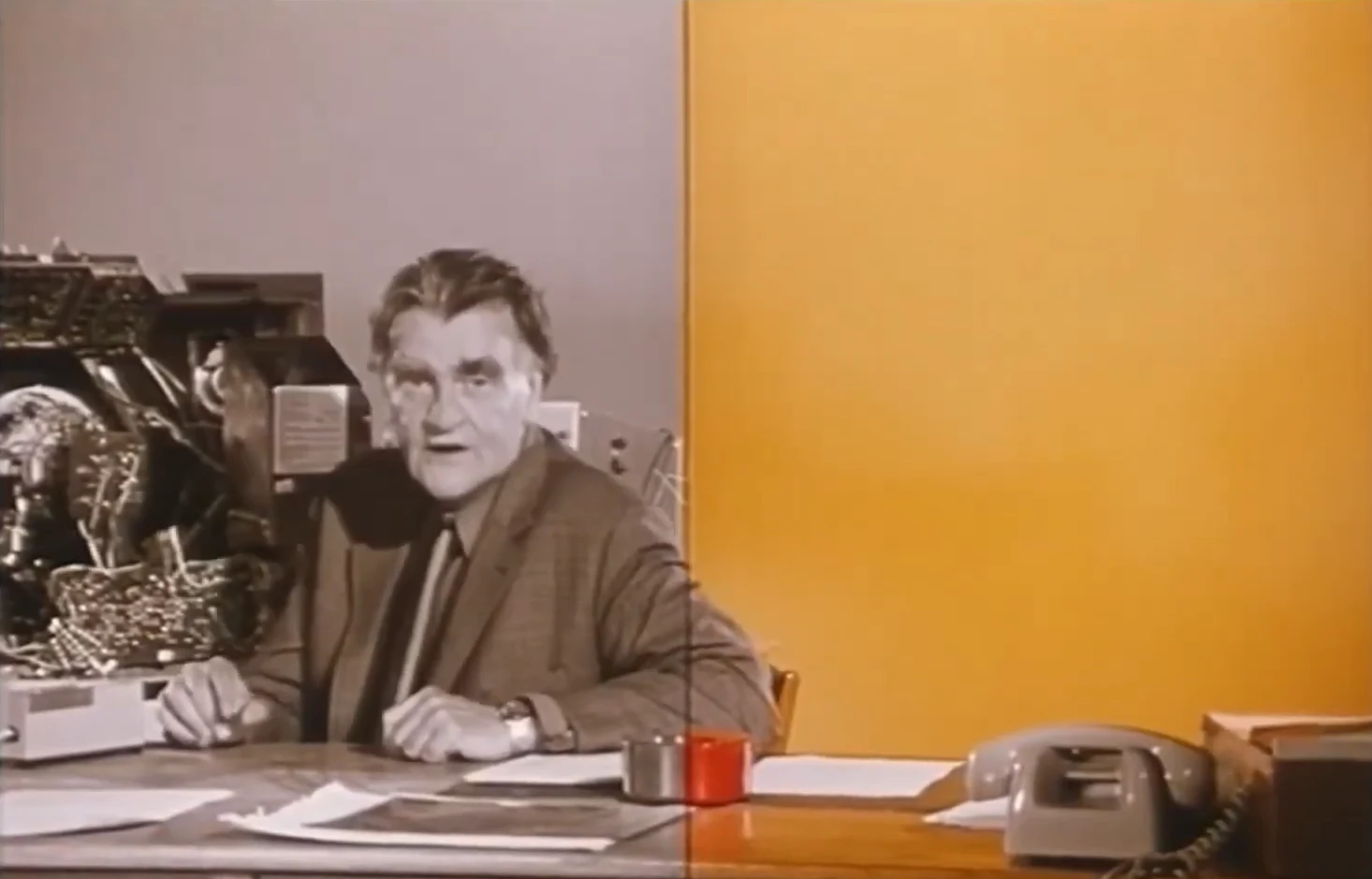
In 1962 — years before colour television launched in Sweden — the country's only broadcaster, Sveriges Television, brought on a technical expert who explained that viewers could convert their black-and-white screens to colour by stretching a pair of nylon stockings across the set. The trick, he explained, would bend the light's wavelengths. Thousands tried it. Many pairs of stockings were sacrificed.
3. The Mount Edgecumbe volcano eruption (1974)
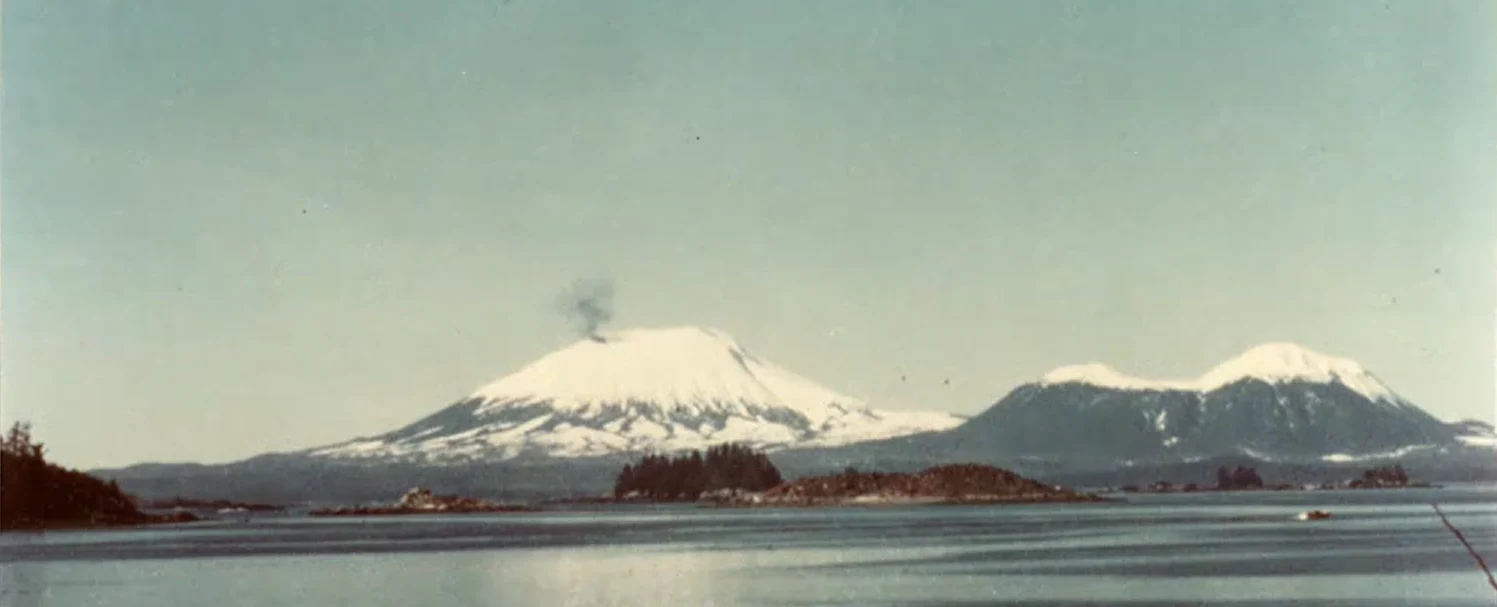
This prank was years in the making. Alaska logger Oliver "Porky" Bickar quietly collected 70 old tyres, stored them in an aircraft hangar, and waited for the right April 1st. In 1974, he chartered a helicopter, dropped the tyres into the dormant Mount Edgecumbe volcano crater, doused those in fuel, and alighted. A massive plume of black smoke rose over the town of Sitka. Residents flooded into the streets, fearing an eruption. When the Coast Guard flew in to investigate, they found not lava but smouldering rubber surrounded by giant letters reading APRIL FOOL.
4. Taco Bell buys the Liberty Bell (1996)
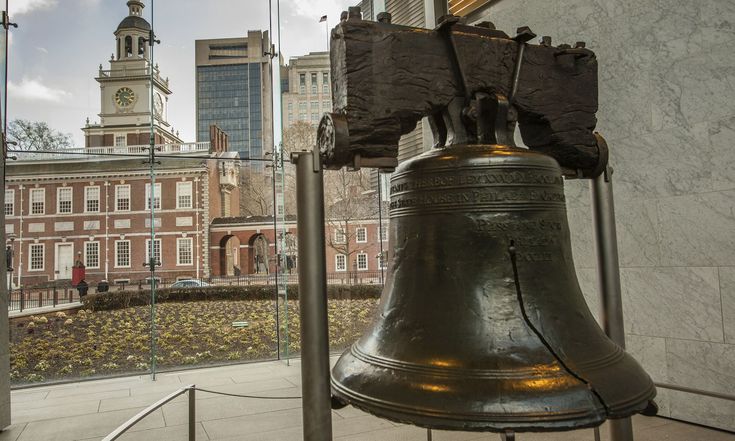
On April 1, 1996, Taco Bell took out full-page adverts in several major newspapers announcing that it had purchased the Liberty Bell to help reduce the national debt and would be renaming it the "Taco Liberty Bell". The public outrage was immediate. The White House press office fielded calls. Taco Bell revealed the prank at noon — and reportedly saw a significant spike in sales that week. It remains one of the most effectively marketed pranks in history.
5. Richard Branson's UFO landing (1989)
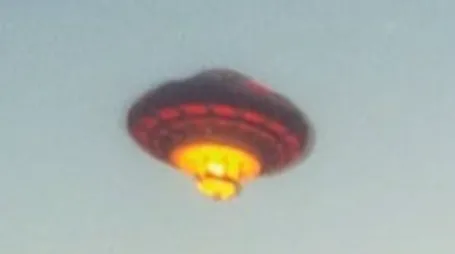
On the evening of March 31, 1989, thousands of motorists on a motorway outside London spotted a glowing flying saucer descending toward them. Many pulled over. Residents called the police to report an alien invasion. When the craft landed in a field, and a small silver-suited figure climbed out, one officer reportedly turned and fled. The "UFO" was a hot-air balloon custom-built to look like a spacecraft by Virgin boss Richard Branson, who had planned to touch down in Hyde Park on April 1 but was blown off course the night before.
6. Sidd Finch — the 168 mph pitcher (Sports Illustrated, 1985)

Sports Illustrated writer George Plimpton fabricated the story of Mets pitching prospect Siddhartha "Sidd" Finch, who could allegedly throw at 168 mph, having trained in the Himalayas. The piece ran on April 1, 1985. The first letters of the article's subtitle spelt out "Happy April Fools' Day", but many readers missed it and genuinely wondered if the Mets had found a secret weapon. Plimpton later turned the tale into a novel.
7. The BBC's flying penguins (2008)
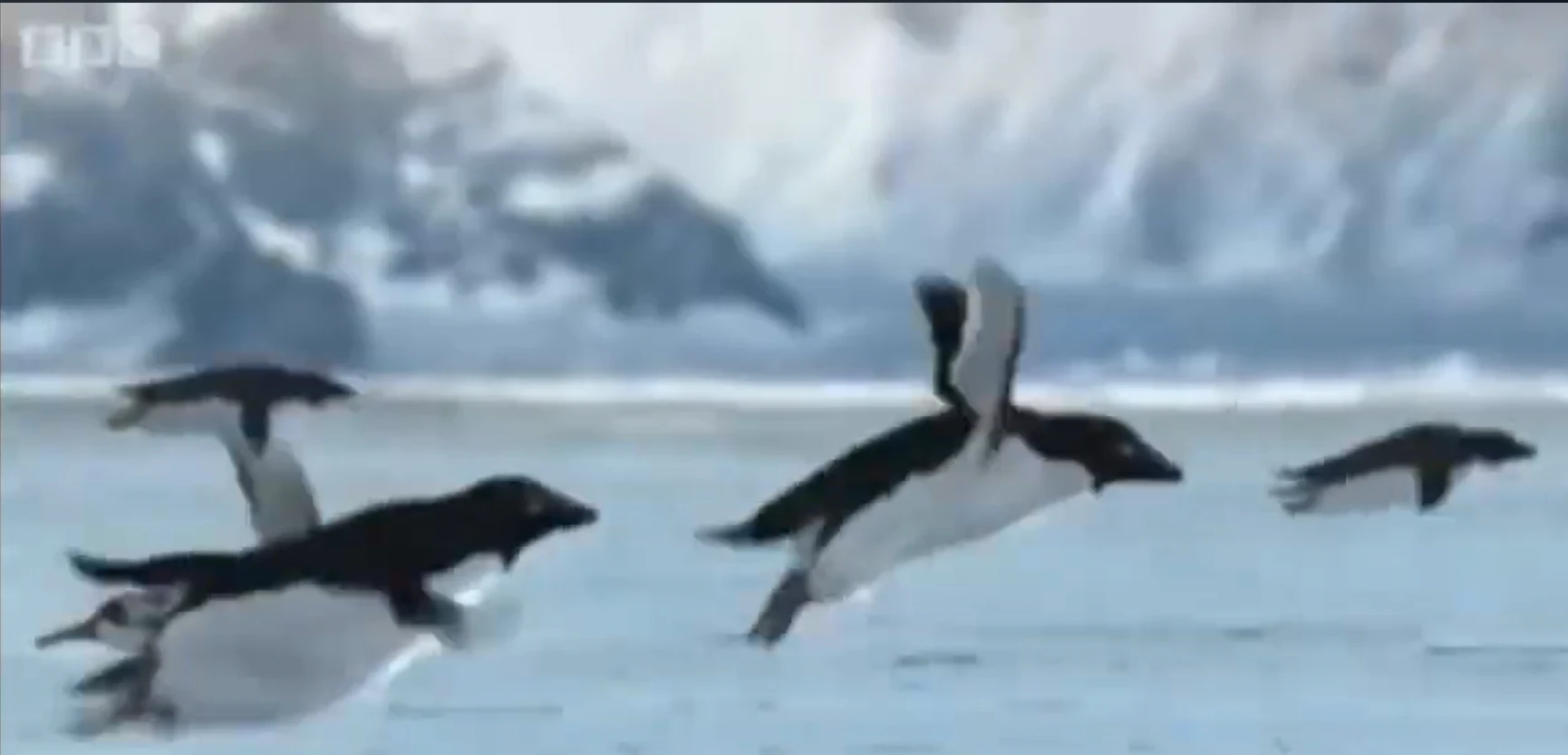
The BBC produced a polished nature documentary segment featuring Terry Jones of Monty Python fame walking with a colony of penguins in Antarctica before following their migration flight to the Amazon rainforest. The clip was so convincingly made that many viewers were briefly convinced flying penguins had been discovered before the reveal aired.