
For a long time, Indian television has been associated with family dramas, elaborate wedding sequences and never-ending household conflicts. Ask someone about Indian serials, and chances are that a Saas-bahu show will be the first thing that comes to mind. Yet, there is another side to Indian television that often goes unnoticed.
With Korean dramas gaining popularity among Indian audiences, conversations around Asian storytelling have become more common. Viewers appreciate their unpredictable plots, complicated characters, revenge stories and psychological thrillers. But Indian television has explored many of these themes too. Some shows experimented with unconventional narratives and characters that were far removed from the usual family drama. If you enjoy the suspense and emotional intensity of Asian dramas, here are five Indian television shows that deserve a place on your watchlist.
Ek Hasina Thi: A Woman, A Plan and a Family That Underestimated Her
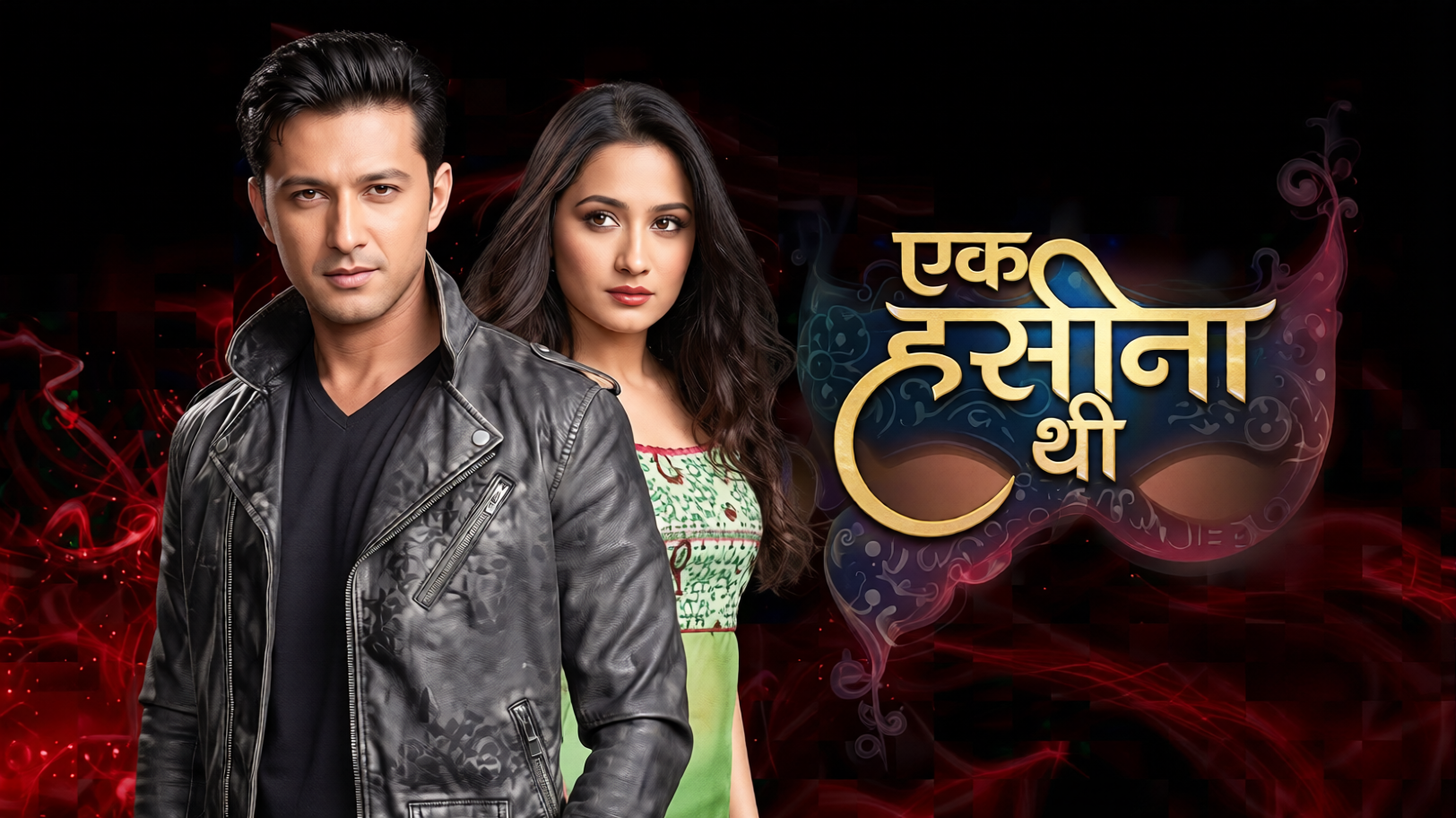
If you enjoyed watching Moon Dong-eun carefully plan her revenge in The Glory, Ek Hasina Thi might be worth revisiting. Starring Sanjeeda Sheikh as Durga Thakur, the Star Plus series follows a woman determined to bring the influential Goenka family to justice. Behind Durga's seemingly innocent appearance is a carefully planned mission. She enters the Goenka household with one purpose: to make those responsible for a devastating crime pay for their actions. What makes her journey interesting is that she doesn't rely on sympathy or wait for someone else to fight her battles. She uses patience, intelligence and strategy to challenge a family that believes its wealth can protect it from everything.
Both shows explore revenge against people who have escaped accountability because of their power and privilege, making this an interesting watch for fans of stories about women reclaiming control.
Beyhadh: The Thin Line Between Love and Possession

Not every memorable television character has to be someone the audience can root for. Sometimes, the most fascinating characters are the ones whose actions leave us questioning our own feelings towards them. Sony TV's Beyhadh does exactly that. Jennifer Winget plays Maya Mehrotra, a successful woman whose difficult past and troubled relationships shape her understanding of love. What begins as an intense romance gradually develops into an unsettling story of obsession, control and emotional manipulation.
Much like Flower of Evil, the series keeps its audience questioning the characters and their intentions. Maya isn't written as a straightforward antagonist, and understanding her doesn't necessarily mean justifying her actions. Her character makes the show particularly interesting for viewers who enjoy psychological storytelling and morally complicated protagonists.
Ishq Mein Marjawan (Season 1): Nothing Is What It Seems
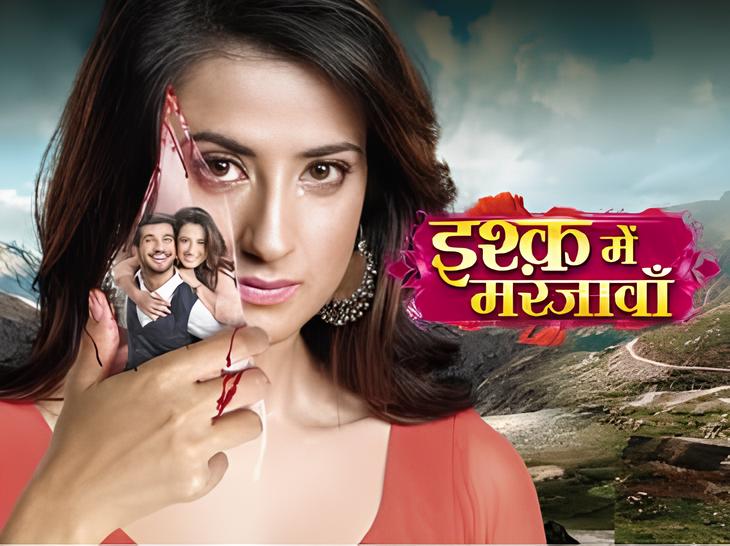
If you enjoy Korean makjang dramas, where secrets, betrayals and shocking revelations keep coming one after another, Ishq Mein Marjawan is worth considering. The first season of this Colors TV thriller revolves around Aarohi, Deep and Tara. Deep enters Aarohi's life with a hidden agenda, while Tara, his partner and a serial killer, becomes central to a dangerous plan to frame Aarohi for her crimes. Things become even more complicated when Deep's feelings begin to change, creating a web of jealousy, deception and shifting loyalties. Aalisha Panwar's performance in a dual role as Aarohi and Tara adds another layer to the story.
Like The Penthouse, the show thrives on secrets and unexpected twists. It isn't necessarily a subtle watch, but if you enjoy dramatic revelations and characters constantly outsmarting one another, this one can keep you entertained.
Dil Se Di Dua... Saubhagyavati Bhava? – Behind Closed Doors, A Different Story Unfolds
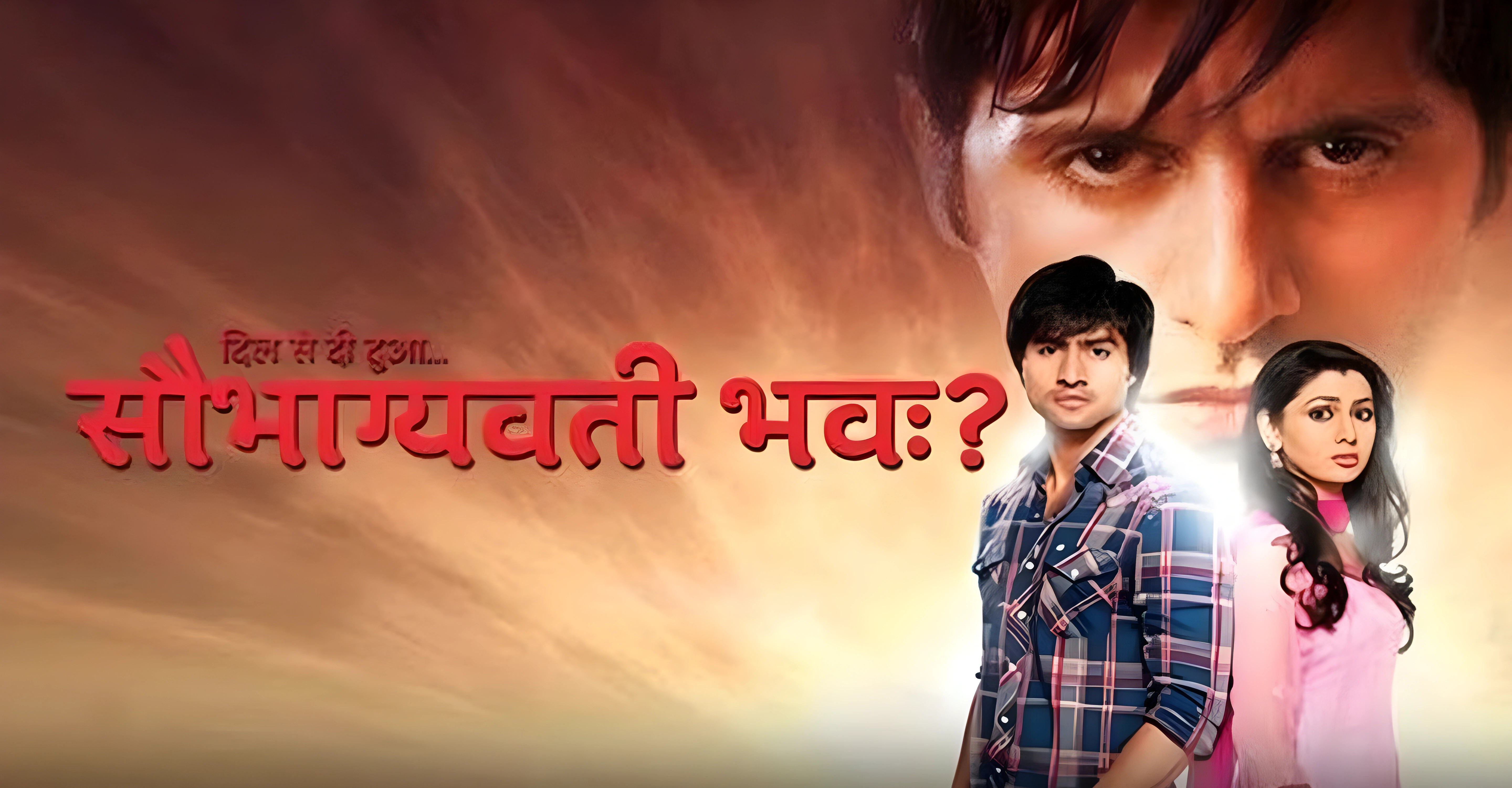
Domestic relationships are often portrayed as safe spaces in television dramas. But what happens when the person who is supposed to make you feel safe becomes the source of your fear? Dil Se Di Dua... Saubhagyavati Bhava? takes a darker approach to marriage through the story of Jahnvi (Sriti Jha) and Viraj Dobriyal (Karanvir Bohra). Behind Viraj's charming public personality is a deeply controlling and abusive husband who subjects Jahnvi to physical and psychological abuse. The series doesn't shy away from showing how difficult it can be for someone to escape an abusive relationship, particularly when their abuser has power and influence. Viraj's character is unsettling precisely because his behaviour changes depending on who is watching.
Fans of The World of the Married may appreciate the show's exploration of toxic relationships, manipulation and the emotional cost of living with an abusive partner. At its heart, however, this is Jahnvi's story of survival and her struggle to reclaim her life.
Dahleez – When Love, Law and Politics Collide
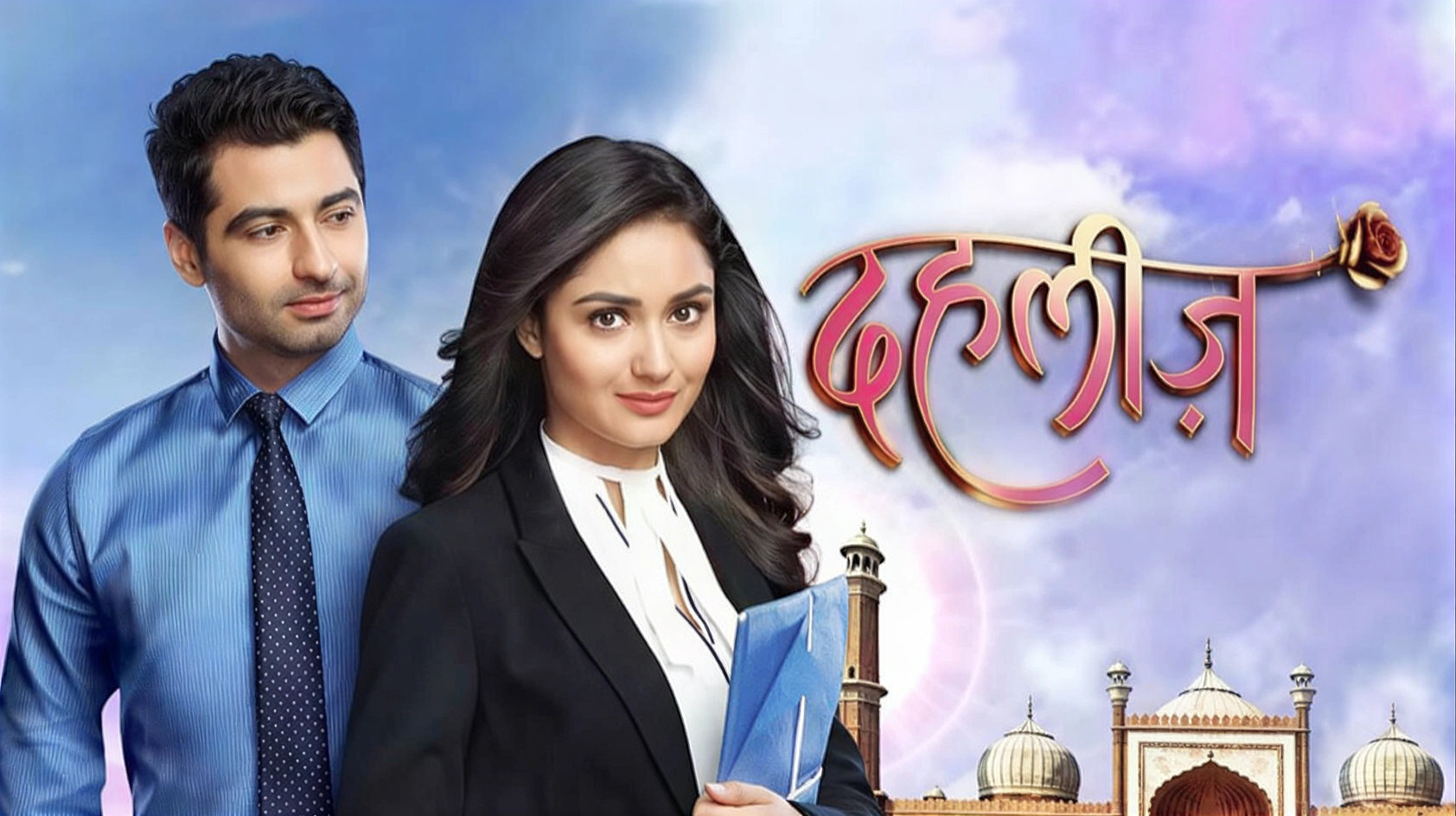
For viewers who enjoy legal conflicts mixed with political intrigue, Dahleez offers something different from the other shows on this list. The Star Plus series follows Swadheenta Ramakrishnan (Tridha Choudhury), an aspiring lawyer, and Adarsh Sinha (Harshad Arora), an honest IAS officer. Their relationship develops against the backdrop of contrasting ideologies, powerful families and political complications. What makes the series interesting is its attempt to bring together romance, courtroom conflicts, bureaucracy and questions of justice. Swadheenta's journey as a lawyer gives the story a strong central perspective, while the political developments gradually raise the stakes.
Fans of Vincenzo and Lawless Lawyer might enjoy the combination of justice-driven storytelling, institutional power struggles and personal relationships. With a finite run of 104 episodes, Dahleez also offers a relatively contained story compared with many traditional Indian daily soaps.
Indian Television Has More to Offer Than We Think
There is nothing wrong with enjoying Korean dramas or other international shows. Their growing popularity has introduced audiences to different storytelling styles and encouraged them to explore television beyond familiar formats. But perhaps it's also time to look at what Indian television has already offered. These five shows aren't without their flaws, and they don't necessarily follow the same storytelling approach as their Asian counterparts. However, they demonstrate that Indian television has experimented with revenge, psychological complexity, domestic abuse, crime and political intrigue. Sometimes, discovering something new doesn't mean looking beyond our own screens. It simply means looking at them differently.